





 Customer Dispute Resolution Page
 Help Center
 Affiliate Program
In this article
Welcome to WPT Global
Welcome to WPT Global, the online home of the World Poker Tour®. Let us guide you through setting up your account and get you to the tables in no time.Social Media


How To Play
World Leading Tournaments
A huge player pool and everything from freerolls to high rollers – plus regular special events!Ambassadors
Get to know our ambassadors - world-class players from across the globe who embody the spirit of the game. Discover their stories and become part of the community.Your Hub for News
Explore stories, tips, and updates from the world of poker and casino. Learn from pros, discover new trends, and stay in the loop with everything happening at WPTGlobal.What are you looking for?
Close




How Long Does a Poker Game Last?
Share



Key Takeaways
Home poker games typically last 2–4 hours, depending on the number of players and agreed finishing time.
Live cash games usually run 4–6 hours, although players can join or leave the table at any time.
Online poker tournaments commonly last 4–10 hours, depending on blind structure, starting stack sizes, and field size.
Major live poker tournaments can extend across multiple days due to deep chip stacks, slow blind increases, and large player fields.
“How long does a poker game last?” is one of the most common questions among new and casual players. The answer depends largely on the format being played. In general, home poker games typically last 2 to 4 hours, live cash game sessions run around 4 to 6 hours, and poker tournaments can range from 45 minutes to several days, depending on their structure.
In this guide, you will learn how long each type of poker game lasts and the key factors that influence poker game duration, including format, blind levels, and field size. You will also find practical tips to help you plan your poker session time effectively and manage fatigue so you can maintain focus and make better decisions throughout your session.
How Long Should a Poker Home Game Last?
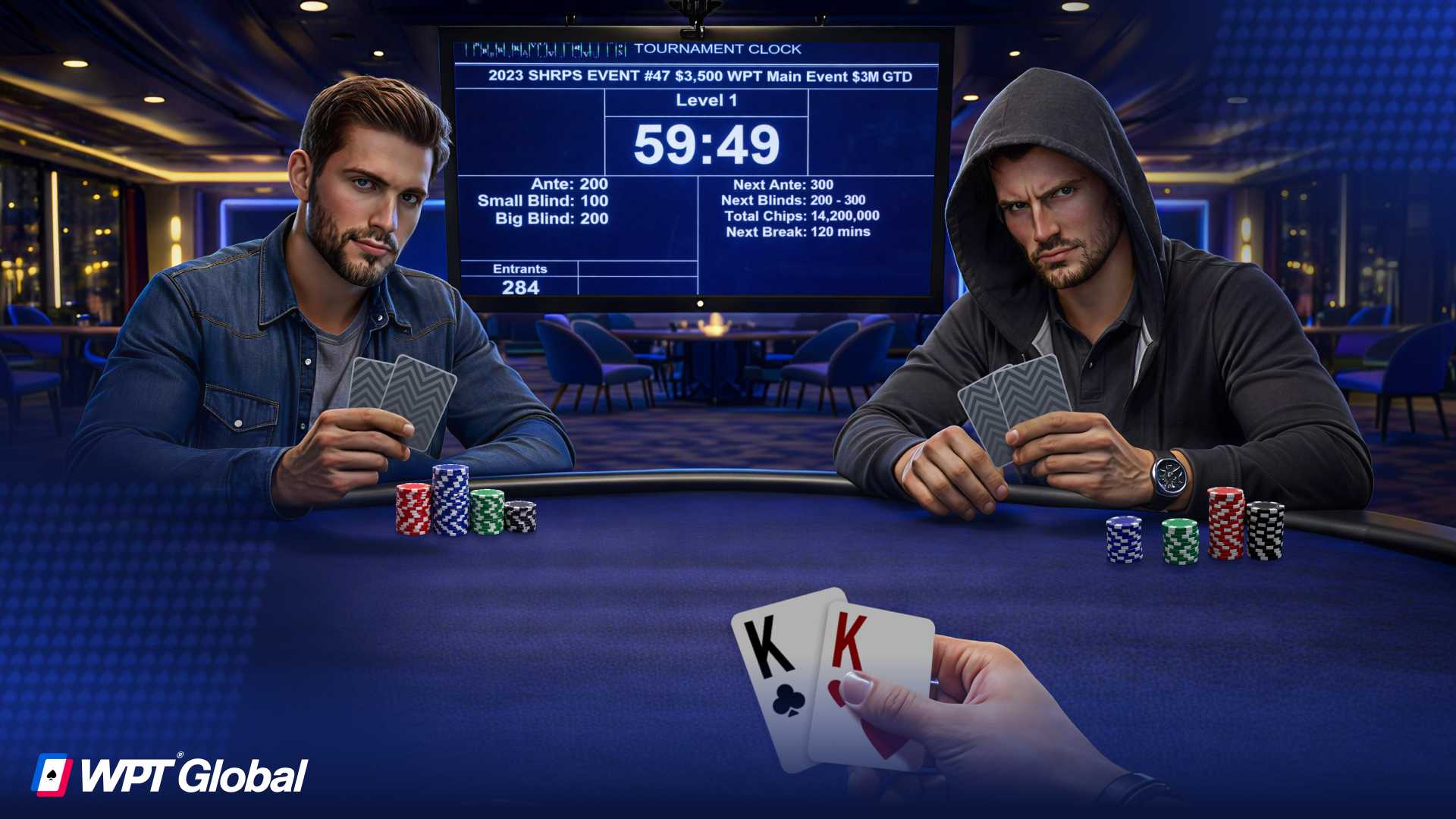
When you think about how long a poker game should last at home, you’re usually aiming for that sweet spot between where the fun ends and before players get tired or bored. For most groups, a home poker game duration of about 2 to 4 hours works best. This is plenty of time for laughs, bluffs, and a few big pots without anyone burning out!
It still depends on the format of your home game: a home cash game format, for example, can run much longer as players can reload and keep chasing pots with no real fixed end time. Switch to a simple one-table home tournament format, though, and the poker game length becomes far more predictable as players get knocked out until a winner is crowned and the night ends naturally.
A good hosting tip is to decide the format and structure before the session starts and share the basic poker rules with everyone. If you keep the blinds moving at a steady pace and deal at a reasonable speed, your home poker session time will feel smooth, fun, and controlled, but without the late-night yawns!
When deciding how long a poker game should last at home, the goal is to find a balance between keeping the game enjoyable and avoiding player fatigue. For most groups, a home poker game duration of 2 to 4 hours is ideal, providing enough time for meaningful action without the session becoming overly long.
The exact poker game length depends on the format you choose. A home cash game can continue indefinitely, as players are free to reload chips and there is no fixed end time. In contrast, a one-table home tournament has a more predictable duration, since players are gradually eliminated until a single winner remains, naturally bringing the game to a close.
To keep your home poker session time organized, decide on the format and structure before the first hand is dealt and review the basic rules with all participants. Maintaining consistent blind increases and a steady dealing pace will help ensure the game runs smoothly and finishes within the expected timeframe.

Planning Your Home Game
Planning your home game is the secret to a smooth home poker game. A little structure can turn potential chaos into a night everyone remembers and can help you control how long your poker game will last.
Start by choosing your format: will your home game be a cash game or a mini-tournament? Then decide the end time in advance so your poker session length does not run away from you. You can set a clear finish time (for example, “we stop at 11 pm”) or use a blind level cap. It also helps to review basic poker terms so everyone understands what is happening at the table.
For a home tournament, the blind structure will directly control how long the poker game takes. If you want a faster tournament that finishes within about 2–3 hours, then use 10–15 minute blind levels with a modest starting stack of around 5,000 chips at 25/50. This speeds up the action and creates eliminations much earlier.
If you prefer a longer and more strategic home game that runs 4+ hours, then use 20–30 minute levels and deeper stacks (15,000–20,000 chips starting at 25/50). With more chips, players will see more flops and can handle swings better, leaving the busting out until later!
Make the rules crystal clear before you start, and ensure that everyone understands the structure for a fun game. If you keep the blinds steady and the dealing reasonably efficient, your home poker session will be the game your friends keep coming back to.
Planning your home poker game in advance is the key to running a smooth and enjoyable session. Adding simple structure helps prevent confusion, keeps the action organized, and allows you to control how long the poker game will last.
Start by choosing the format, whether it will be a cash game or a small tournament. Then decide on the intended end time before play begins so your poker session length remains predictable. You can set a fixed finish time, such as ending at 11 pm, or establish a blind-level cap to determine when the game concludes. Reviewing basic rules and poker terms beforehand also ensures that all players understand the format and expectations at the table.
In a home tournament, the blind structure plays the biggest role in determining poker game duration. If you want the event to finish within approximately 2–3 hours, use shorter blind levels of 10–15 minutes and a modest starting stack, such as 5,000 chips at 25/50. Faster levels create more pressure and lead to earlier eliminations.
For a longer and more strategic session lasting four hours or more, use deeper starting stacks of 15,000–20,000 chips with 20–30 minute blind levels. Larger stacks give players more room to maneuver, resulting in slower eliminations and extended play.
Before the first hand is dealt, clearly explain the rules and structure so everyone understands how the game will progress and end. Keeping blind increases consistent and maintaining an efficient dealing pace will help ensure your home poker session runs smoothly and finishes within the planned timeframe.
How Long Should a Live Cash Game Session Last?
A live cash game should last 4 to 6 hours. That is a realistic live poker session in a casino because live poker is slow: the dealer shuffles by hand, players talk and think, they play with their chips, and so you might only see around 25–30 hands per hour at the table.
If you play often, try to plan your poker game duration the same way you plan your bankroll management. Decide in advance how long you want your live poker session to last, because decision fatigue creeps in quietly the longer you sit. Even very strong players start making worse choices when they are tired. It affects everyone!
Good regulars and pros are very clear about their poker session length. They rack up and leave before they get tired, tilted, or bored, even if the game is still running. Learning to stand up at the right time is part of winning poker. It keeps you fresh and protects your bankroll, and makes every live cash game session feel like a planned, controlled effort and not a marathon you accidentally fell into.
A live cash game session typically lasts between 4 and 6 hours. This is a realistic timeframe in a casino environment because live poker moves at a slower pace. Dealers shuffle and manage the action manually, and players take time to think through decisions, resulting in an average of approximately 25–30 hands per hour at a full table.
If you play regularly, it is important to plan your poker session length in advance, just as you would manage your bankroll. Setting a clear time limit helps prevent decision fatigue, which can gradually affect judgment and performance during longer sessions. Even experienced players are susceptible to making weaker decisions when they become tired.
Successful regulars and professional players are disciplined about their live poker session time. They leave the table before fatigue, frustration, or boredom impacts their play, regardless of whether the game is still running. Knowing when to stand up is a key part of long-term success, as it protects your bankroll and ensures each session remains focused and controlled rather than becoming an unplanned marathon.
How Long Should an Online Poker Session Last?
Online poker moves fast at 80-100 hands per hour (even faster in fast-fold games), so you get tons of practice without sitting around all day.
For beginners, an online poker session of 60-120 minutes works perfectly. That's hundreds of hands while you're still sharp and making good decisions. Start with 2 to 4 tables, and even a 45-minute online poker session will teach you plenty about those poker hands you're learning.
The best part of online poker is having total control. You can pause anytime and quit when you want. Smart players also review 2-3 big hands after each session. Your skills grow fast without the fatigue or tilt that kills those long grind sessions.
Online poker moves significantly faster than live games, averaging around 80–100 hands per hour, and even more in fast-fold formats. This higher volume of hands allows players to gain experience quickly without committing to an all-day session.
For beginners, an online poker session lasting 60–120 minutes is usually ideal. In that time, you can play hundreds of hands while remaining focused and making strong decisions. Starting with two to four tables is a manageable approach, and even a shorter 45-minute session can provide valuable learning opportunities as you build familiarity with different poker hands and situations.
One of the main advantages of online poker is flexibility. You can end your session at any time, giving you full control over your poker session length. Many disciplined players also review two or three key hands after each session to improve their decision-making. This structured approach helps accelerate skill development while reducing the risk of fatigue or tilt that often comes with extended play.
How Long Does a Poker Tournament Last?
Poker tournaments last between an hour or so to multiple days. Poker tournaments are very exciting and unpredictable. You've probably jumped into a Sit & Go thinking it'll be quick, only to watch it drag on (or bust out in 45 minutes flat!). One-table SNGs usually wrap up in about an hour, daily large-field events take 2-6 hours, and major championships stretch days in those big MTT marathons.
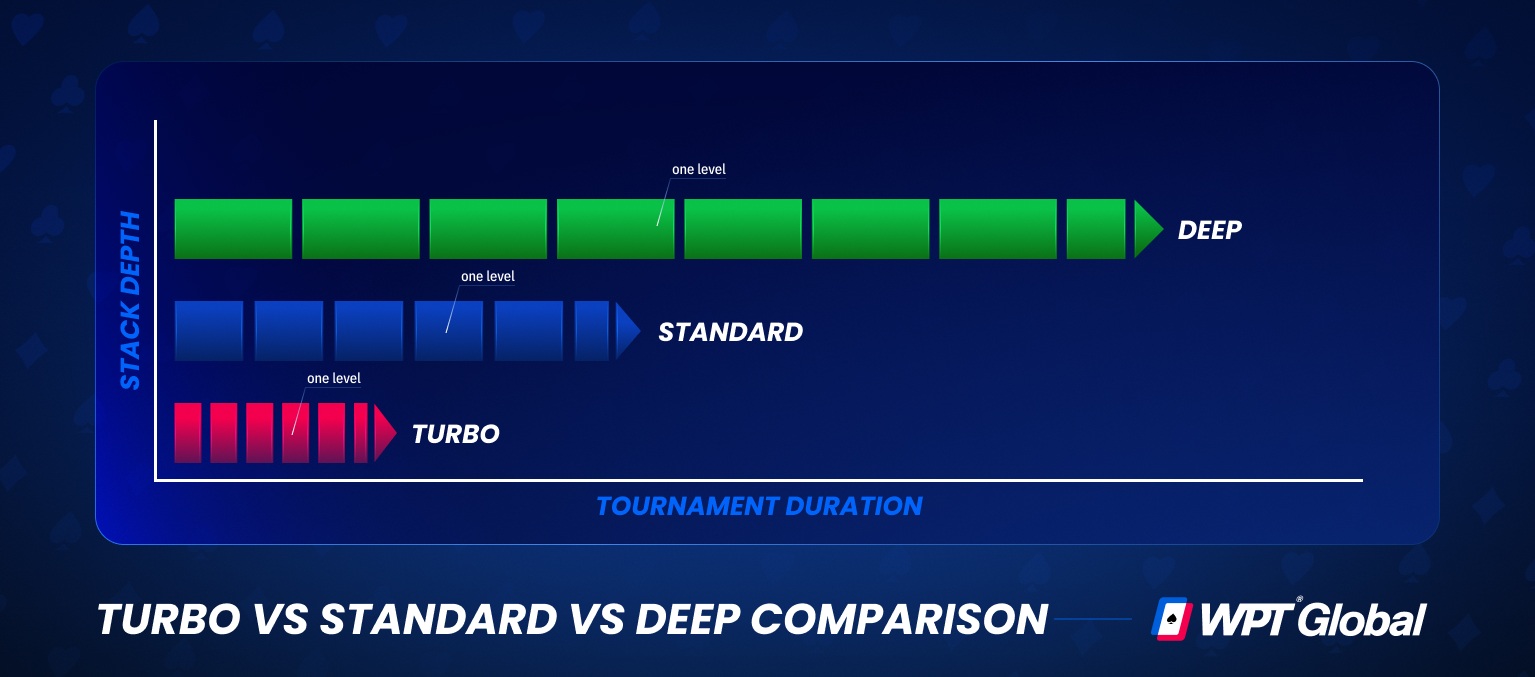
Blind speed, starting stacks, and field size control everything. Fast blinds (10 minutes) + shallow stacks usually mean quick busts and tight action. Deep stacks (100 Big Blinds or more) + 30-minute levels equal epic multi-hour battles. And bigger fields mean double the time to crown a winner.
Pro tip before playing: always scan the structure sheet. 30-minute blinds + big stacks means you’ll need to settle in for hours. Turbo 5-minute levels? Grab a snack, you'll be done fast.
Poker tournaments can last anywhere from around one hour to multiple days, depending on the format and structure. One-table Sit & Go tournaments typically finish within about an hour, while daily large-field events often run between 2 and 6 hours. Major championships and large multi-table tournaments (MTTs), however, can extend across several days as the field gradually narrows to a single winner.
Blind levels, starting stack sizes, and total field size are the main factors that determine tournament duration. Faster blind levels, such as 5–10 minutes, combined with shallow starting stacks, usually lead to quicker eliminations and shorter events. In contrast, deeper stacks of 100 big blinds or more and longer blind levels of 20–30 minutes create slower structures that significantly extend playing time. Larger player fields also increase overall tournament length, since more eliminations are required before a champion is crowned.
Before registering, always review the tournament structure sheet. Longer blind levels and deeper stacks indicate a multi-hour commitment, while turbo formats with short blind intervals are designed to conclude much faster. Understanding the structure in advance helps you plan your poker session time and avoid unexpected long sessions.
How Long Should I Play Poker For?
There is no fixed rule for how long you should play poker, as the ideal session length depends on your focus, experience, and mental stamina.
Many beginners perform well in short sessions but struggle with fatigue or tilt after several hours, which can quickly undo earlier profits. For most new players, 1–2 hours of focused play is ideal, allowing you to stay sharp and make consistent decisions.
As your experience grows, you can gradually extend your poker session length, but longer sessions are not automatically better, since poker rewards clarity and discipline more than endurance.
Many experienced players use stop-loss rules, such as ending a session after a set time or leaving at the first signs of tilt.
Protecting your mental energy is essential, because once concentration drops, decision-making suffers. If you feel tired or emotionally affected, stepping away is often the smartest move, as you can always return with a clear and focused mindset.
How Does a Poker Game End?
How a poker game ends depends entirely on the format being played.
In cash games, there is no fixed end time because players can leave between hands whenever they choose, cash out their chips, and the table continues running as long as enough players remain.
Tournaments work differently, as players must continue until they are eliminated, and the event only ends when one player has all the chips. This is why small tournaments may finish within an hour, while large multi-table events can last several days.
Home games can follow either structure: they may run like a cash game with players leaving freely, operate as a tournament with a clear winner, or finish at a pre-set time agreed upon in advance.
Deciding the format before play begins ensures everyone understands how and when the poker game will end.
What’s the Longest Poker Game Ever?
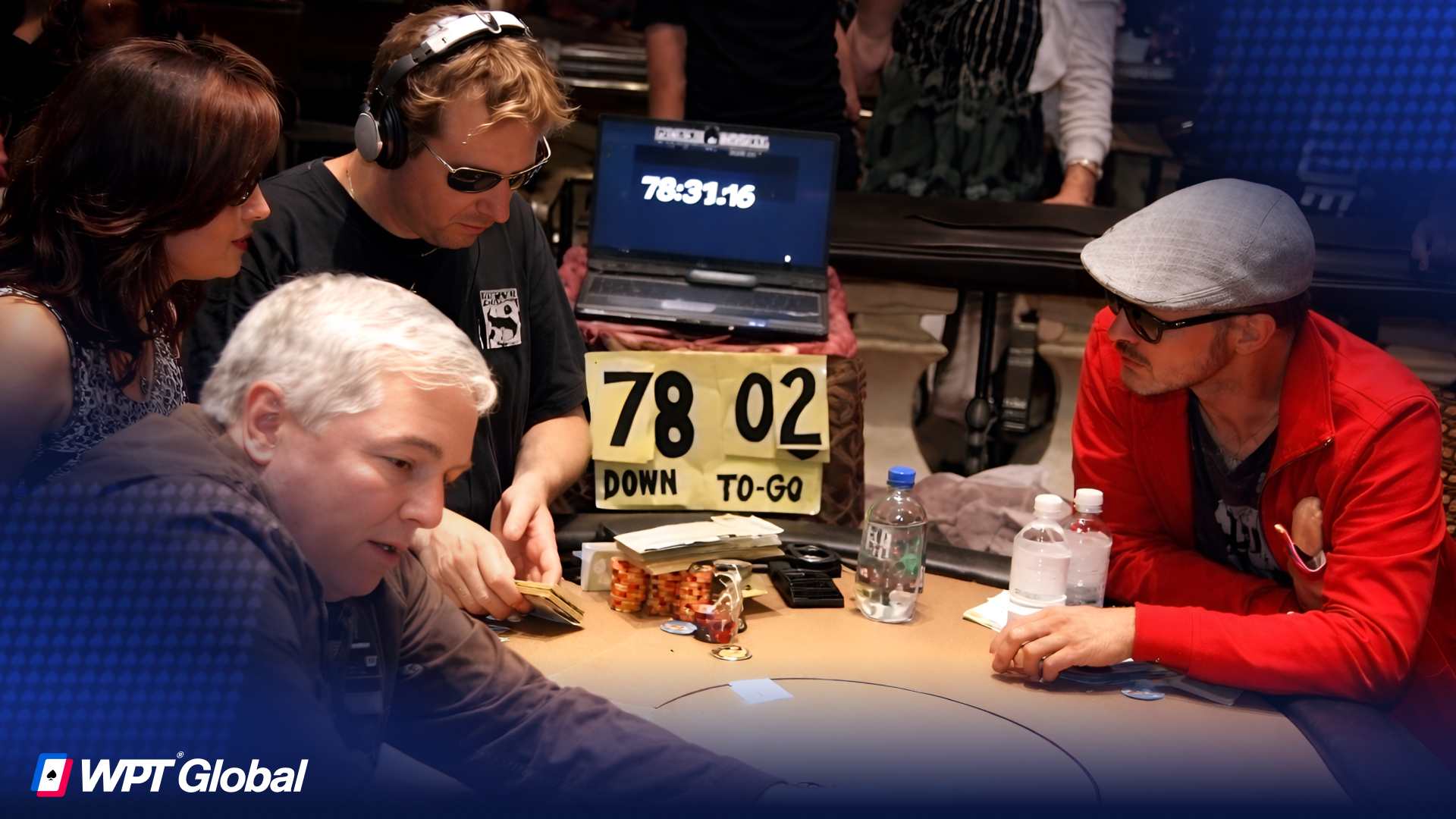
The official record for the longest continuous poker session belongs to Phil Laak, who played for 115 hours straight at the Bellagio in Las Vegas, from June 2–7, 2010, setting a Guinness World Record.
While this achievement highlights extraordinary stamina, it is not a realistic benchmark for most players. In practical play, decision-making and performance decline well before that point. Long-term success in poker depends on focus, discipline, and rest, rather than simply staying seated the longest.

Faqs
How long does a poker game last on average?

A home game usually lasts 2 to 4 hours, live cash sessions run from 4 to 6 hours, and online or live tournaments can take anywhere from a few hours to multiple days, depending on the structure and pace.
Why does live poker take longer than online?
Because everything is manual in live poker, the cards, the chips, and the dealers. This all takes time. Live tables can average around 25 to 30 hands per hour, but online tables deal two to three times that.
Can I leave a cash game whenever I want?
Yes. In most cash games, you can leave between hands and cash out whenever you choose to. That freedom makes cash the easiest format to schedule your play around.
How long do poker tournaments usually take?
One-table events can finish in about an hour, but large-field tournaments often take four to ten hours or even more, depending on blind levels and field size.
What’s a good session length for beginners?
Start with 60 to 120 minutes. This is a shorter, more focused session to help you stay sharp and avoid fatigue, which helps keep your decision-making to a high standard.
Promotions
For Customers
Safety & Security
Stay Connected
Follow us on social media to stay updated with the latest news, updates, and exclusive offers!


Promotions
For Customers
Safety & Security
Stay Connected
Follow us on social media to stay updated with the latest news, updates, and exclusive offers!
 Local Payment Methods
 Cards
 Crypto
 E-Wallets
 Apple Pay
 Google Pay
 Instant Bank Payments
*
Some methods may not be available in your region. Please contact support if you experience any issues.
This website is operated by Everstronglink Limited a company incorporated under the laws of Costa Rica having its registered address at Province 01 San Jose, Canton 02 Escazu, San Rafael, On La Ceiba Street, House No. 400, Costa Rica, and is licensed by the Tobique Gaming Commission under License Number 0000005. Kashxa Limited, a Cyprus company with registration number 427606, having its registered office at Strovolou, 12 Aigyptou, Nicosia, 1097, Cyprus, is acting as a payment agent on behalf of the license holder entity Everstronglink Limited.
Gambling can be addictive. Play responsibly. Everstronglink Limited only accepts customers over 18 years of age.
Copyright © 2026 WPT Global. All rights reserved