






 Customer Dispute Resolution Page
 Help Center
 Affiliate Program
In this article
Welcome to WPT Global
Welcome to WPT Global, the online home of the World Poker Tour®. Let us guide you through setting up your account and get you to the tables in no time.Social Media


How To Play
World Leading Tournaments
A huge player pool and everything from freerolls to high rollers – plus regular special events!Ambassadors
Get to know our ambassadors - world-class players from across the globe who embody the spirit of the game. Discover their stories and become part of the community.Your Hub for News
Explore stories, tips, and updates from the world of poker and casino. Learn from pros, discover new trends, and stay in the loop with everything happening at WPTGlobal.What are you looking for?
Close




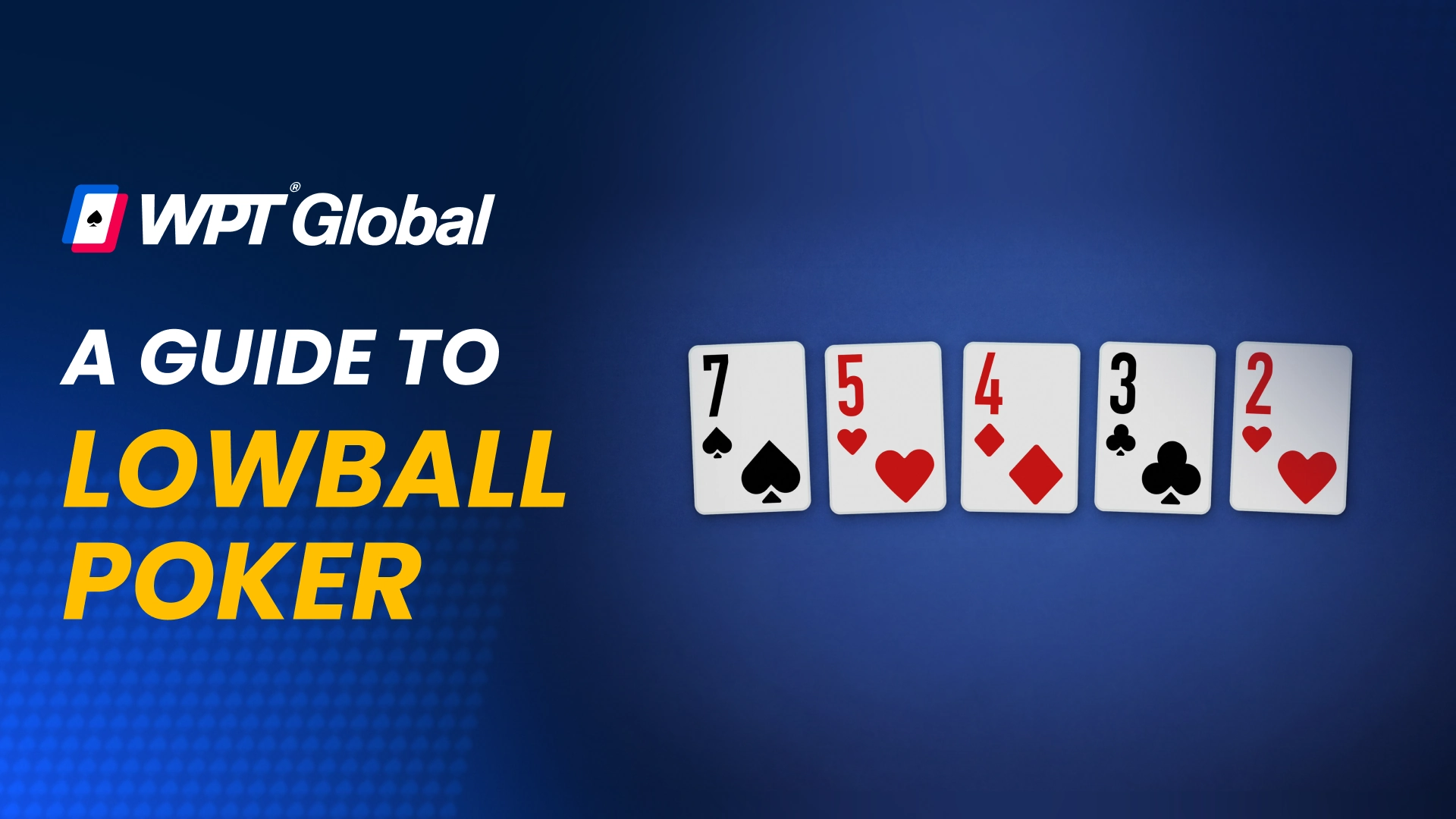
A Guide to Lowball Poker: Rules, Hand Rankings & Variants Explained
Share




Key Takeaways
Lowball poker flips traditional poker strategy by rewarding the lowest hand rather than the highest.
The most common lowball systems include Ace-to-Five Low, Deuce-to-Seven Low, and Ace-to-Six Low.
Games such as razz and 2-7 triple draw are popular competitive lowball variants.
Hand rankings change depending on the specific lowball format being played.
Strong lowball play requires patience, disciplined drawing strategy, and careful bluffing.
Most poker players are familiar with traditional hand rankings where the strongest combination wins the pot. Lowball poker turns that concept upside down. In lowball games, the objective is to make the worst possible traditional hand, meaning the lowest ranking combination wins.
Because of this inversion, many familiar concepts from standard poker games behave differently. Straights and flushes may or may not count depending on the variant, aces can be either high or low, and hands that would normally look weak can suddenly become the strongest possible holdings.
Lowball poker has long been popular among experienced players because it rewards deep strategic thinking. Understanding the different variants, hand rankings, and drawing strategies laid out in this guide is essential if you want to compete effectively and become a good player.
What Is Lowball Poker?
Lowball poker refers to a group of poker variants in which the lowest hand wins the pot.
Instead of chasing high combinations like flushes or full houses, players aim to construct the lowest possible hand according to the rules of the specific game being played.
What makes lowball different from traditional poker is the way hands are evaluated. Depending on the variant, straights and flushes may count against you, and aces may be treated as either high or low cards.
Lowball formats are especially popular among advanced players because they require careful calculation and long-term strategic planning.
How to Play Lowball Poker
Although the exact rules vary depending on the variant, the core concept of lowball poker is consistent across all formats. Instead of building the strongest traditional hand, players are trying to make the weakest possible five-card hand according to the specific ranking system in play. Understanding how this objective changes standard poker logic is key to playing correctly.
Objective of the Game
The main objective in lowball poker is simple: the lowest hand wins. Players aim to create the weakest five-card combination without forming pairs or other disqualifying structures, depending on the variant. Unlike traditional poker, where high-value combinations dominate, lowball rewards hands made up of low, unpaired cards. The exact definition of “lowest” depends on the ruleset, but the principle remains the same across all games.
Differences from Standard Hand Rankings
Lowball poker fundamentally reverses traditional hand rankings, which can be confusing for new players. In standard poker, strong hands include combinations like full houses, flushes, and straights. In lowball, these hands are often undesirable or even completely invalid.
Overview of Betting Rounds and Game Structure
Lowball games generally fall into two main structural categories, and each creates a very different style of play.
Draw Games
In draw-based lowball games, players are dealt a complete hand and then have opportunities to exchange cards during designated draw rounds. The goal is to improve the hand by replacing unwanted high cards or pairs with lower cards.
A common example is 2-7 Triple Draw, where players can draw up to three times. Strategy in these games revolves around deciding how many cards to draw, when to stop drawing (stand pat), and how to interpret opponents’ actions based on how many cards they take. Fewer draws often indicate stronger hands, making observation a key skill.
Stud Games
In stud-based lowball games, players receive cards over multiple betting rounds, with a mix of face-up and face-down cards. Unlike draw games, players cannot replace cards, so they must work with what they are dealt.
Razz is the most well-known example of a stud lowball game. Because several cards are visible to all players, strategy heavily involves tracking exposed cards and understanding which cards are no longer available. This adds an extra layer of information and requires strong memory and observation skills.
These two structures, draw and stud, define how lowball poker is played and significantly influence strategy, decision-making, and overall game flow.
Types of Lowball & Variants: Rules & Strategy
Lowball poker is not a single game but a family of variants, each with its own hand ranking system and gameplay structure. Understanding these differences is essential, as the same hand can be very strong in one format and completely unplayable in another. Mastering lowball requires adapting both your hand selection and overall strategy to the specific rules in play.
Ace-to-Five Low Rules & Strategy (also known as California Lowball)
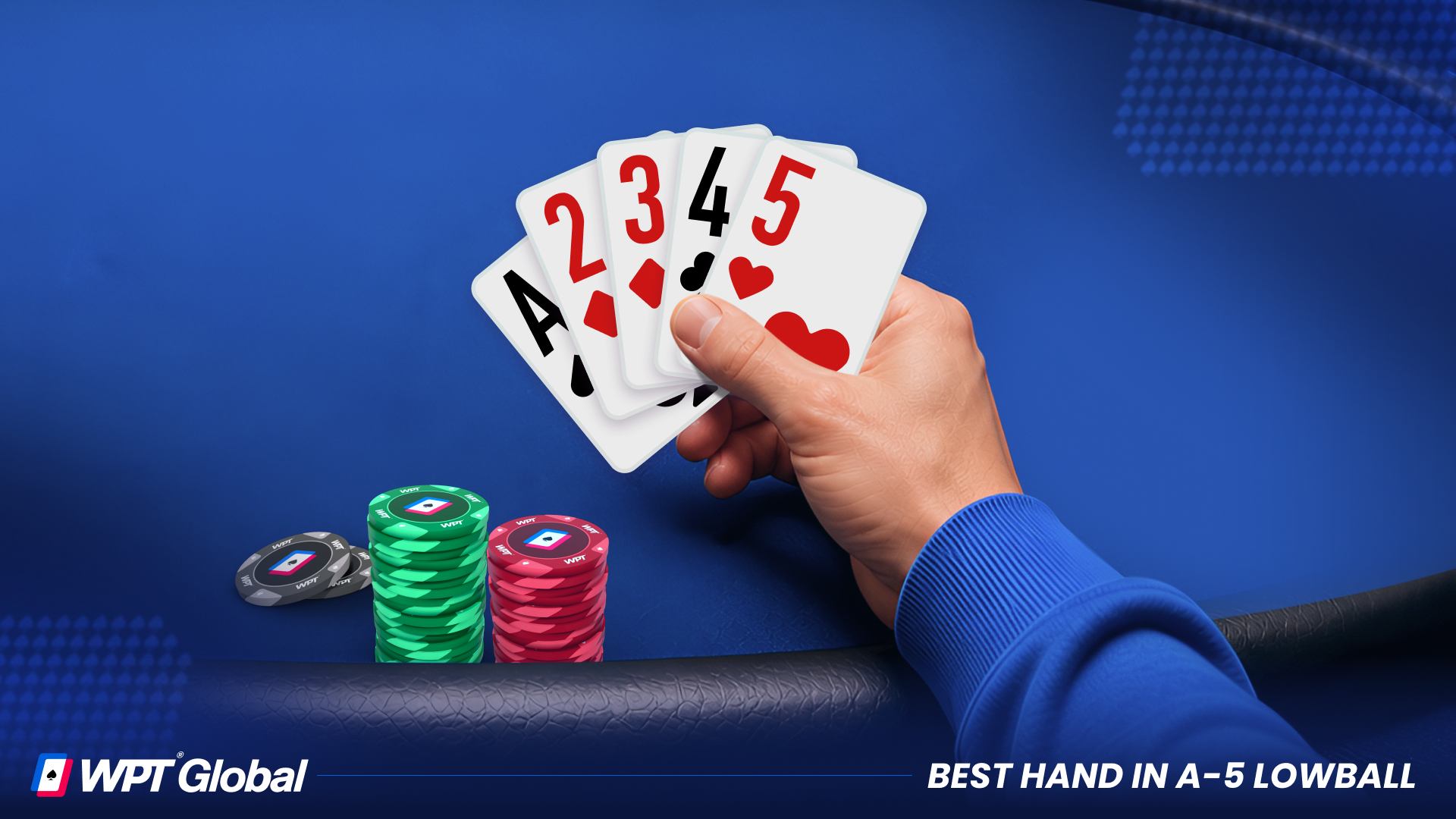
Ace-to-Five Lowball is one of the most accessible formats because it removes key penalties. Straights and flushes do not count against you, aces are always low, and the best possible hand is A-2-3-4-5.
Strategically, this makes hand evaluation more straightforward. The focus is on eliminating high cards and avoiding pairs. Strong starting hands typically contain three or more cards ranked eight or lower, giving solid drawing potential. Players should aim for “smooth” lows with minimal gaps, as these improve more consistently. Observing how many cards opponents draw is also critical, as fewer draws often indicate stronger hands.
Deuce-to-Seven Low Rules & Strategy (also known as Kansas Lowball or 2-7 Lowball)
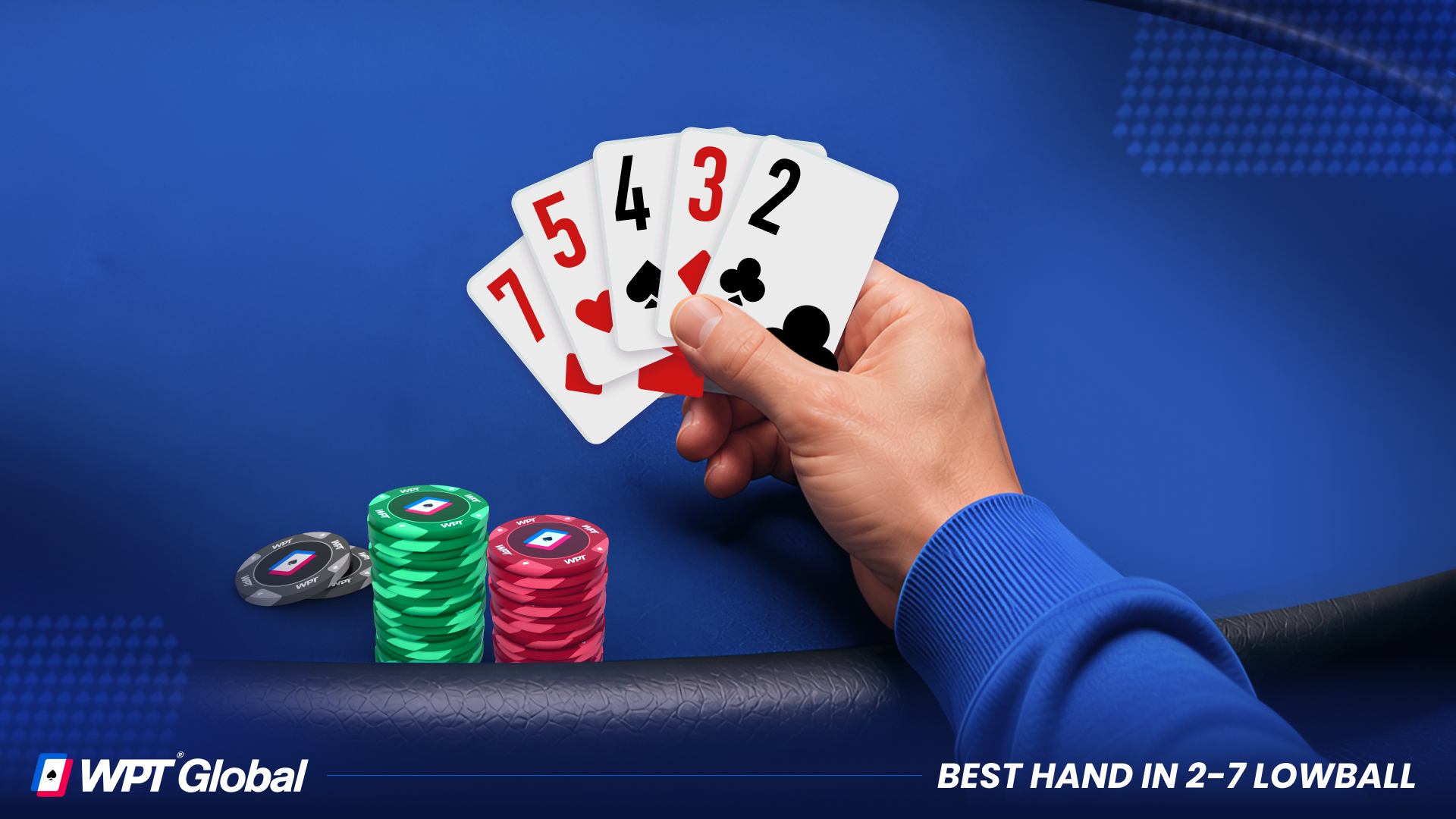
Deuce-to-Seven Lowball is more complex and strategically demanding. Straights and flushes count against you, aces are always high, and the best possible hand is 7-5-4-3-2.
This structure forces much tighter hand selection. Many hands that appear strong are actually invalid due to hidden straights or flush risks. Strategy revolves around building rough but legal low hands while avoiding accidental improvements into losing combinations. Bluffing becomes more important in this variant, especially in draw formats, as opponents frequently struggle to complete strong hands. Advanced players gain an edge by carefully managing when to draw and when to stand pat, using both hand strength and table dynamics.
Ace-to-Six Low Rules & Strategy
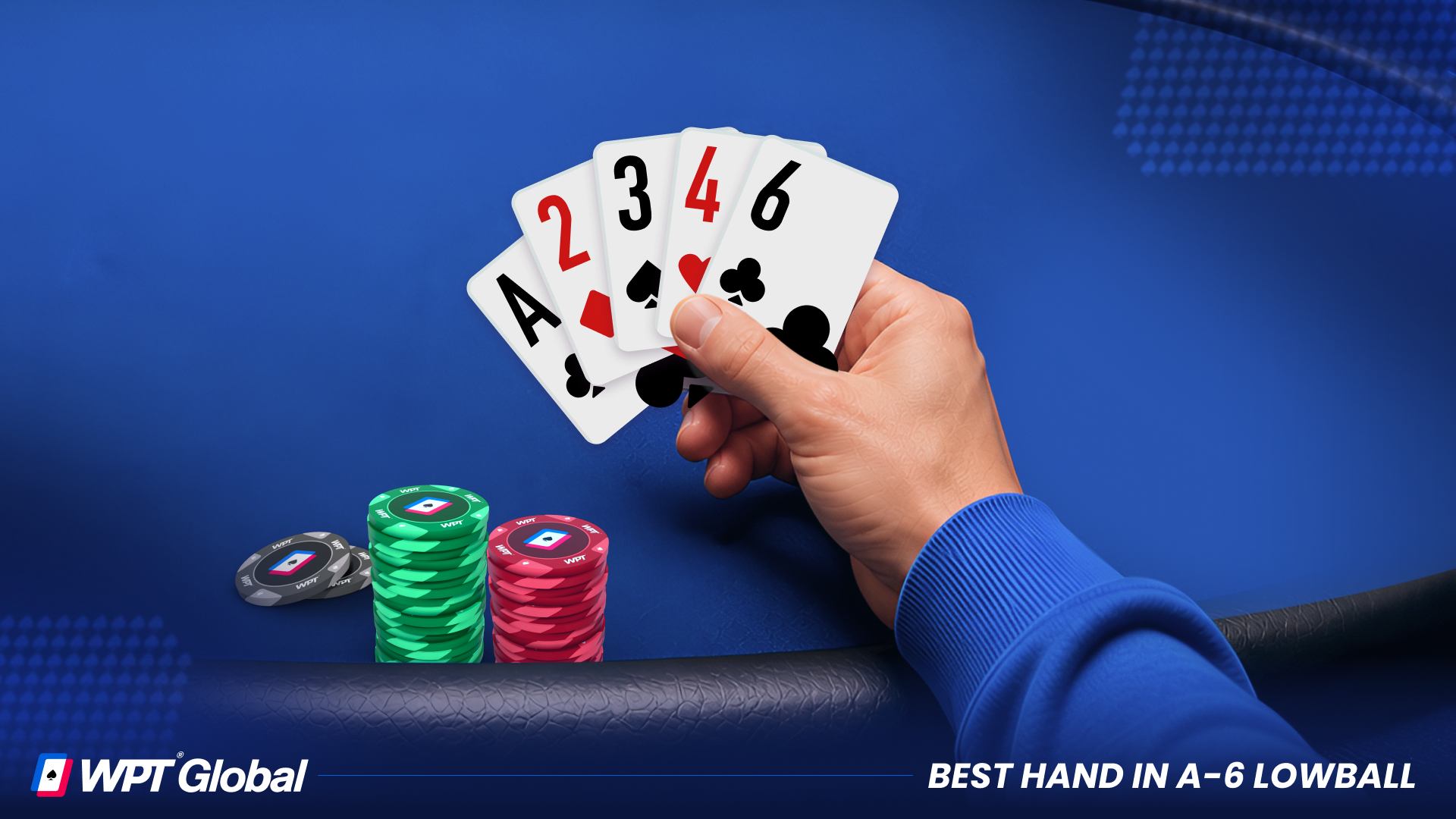
Ace-to-Six Lowball sits between the other two major systems. Straights count against you, flushes do not, and aces are always low. The best possible hand is A-2-3-4-6.
This creates a unique balance where players must avoid sequences but can ignore suits. As a result, decision-making becomes more nuanced. Hands that might be acceptable in Ace-to-Five can become dangerous here due to straight potential. Strong play focuses on building disconnected low hands while avoiding “trap” structures that accidentally form straights. This variant rewards careful planning and is commonly seen in mixed games.
Razz

Razz is a stud-based lowball game rather than a draw game. Players receive seven cards over multiple betting rounds and must make the lowest possible five-card hand.
Aces are low, and straights and flushes do not count against you, making it similar to Ace-to-Five in ranking but very different in structure. Because many cards are dealt face-up, information becomes a major strategic factor. Players must track “dead cards” and adjust their decisions based on what is already visible. Strong starting hands typically begin with three low cards, and success depends on reading both the board and opponent tendencies across multiple streets.
2-7 Triple Draw

2-7 Triple Draw combines Deuce-to-Seven hand rankings with multiple drawing rounds, making it one of the most complex lowball variants.
Players are dealt five cards and have three opportunities to draw. The goal is to make the best 2-7 low hand while avoiding straights and flushes. The multiple draw rounds introduce deeper strategic layers, as players must constantly decide whether to continue improving or stand pat to represent strength.
This format places heavy emphasis on position, betting pressure, and reading opponents’ draw counts. Strong players balance aggression with discipline, using both bluffing and semi-bluffing to exploit uncertainty, particularly in later rounds where ranges become more defined.
Lowball Poker Hands Rankings
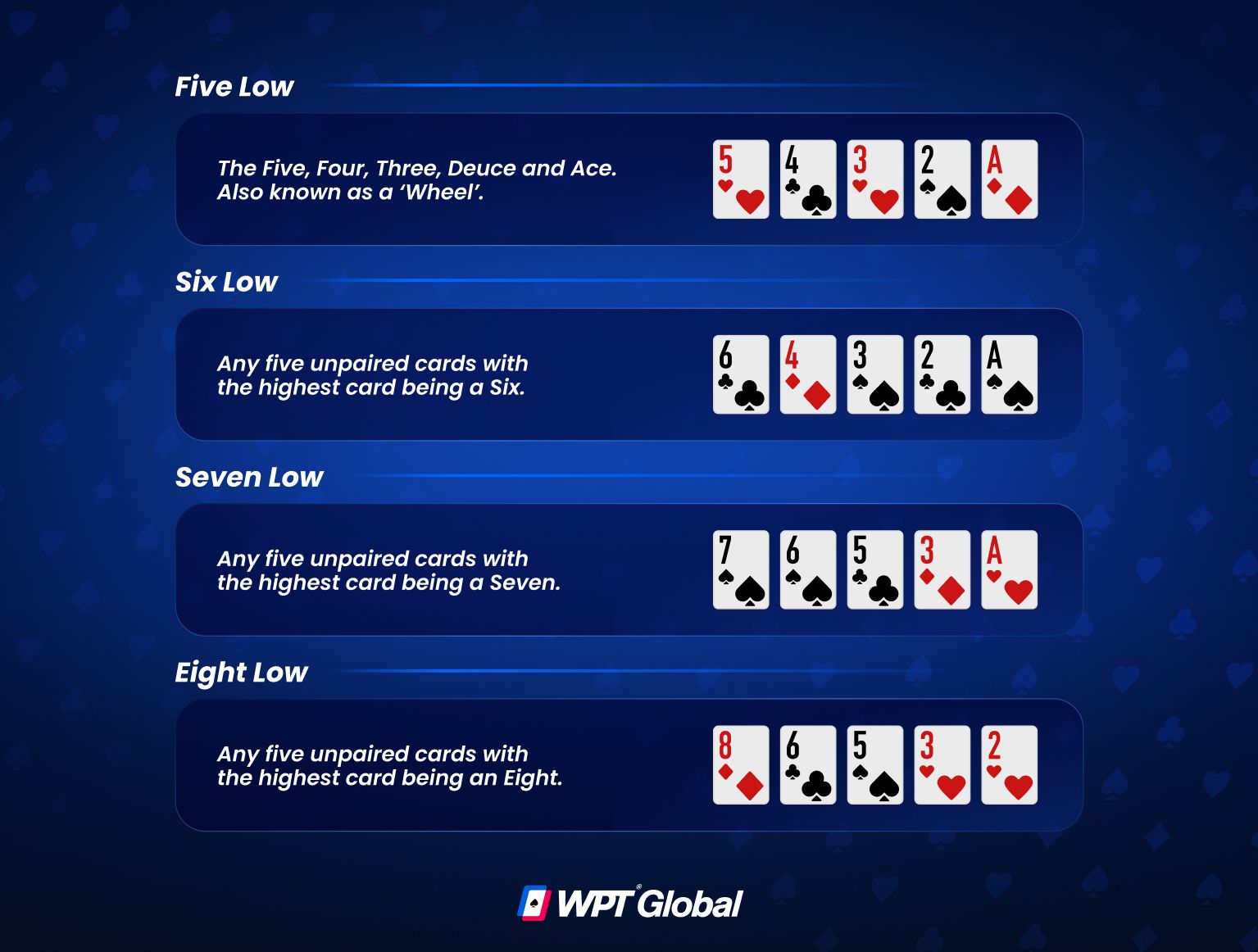
Lowball poker reverses traditional hand strength, meaning the lowest hand wins. However, rankings vary depending on the specific variant being played, so understanding the differences is essential to avoid costly mistakes.
Ace-to-Five Low (Best to Worst)
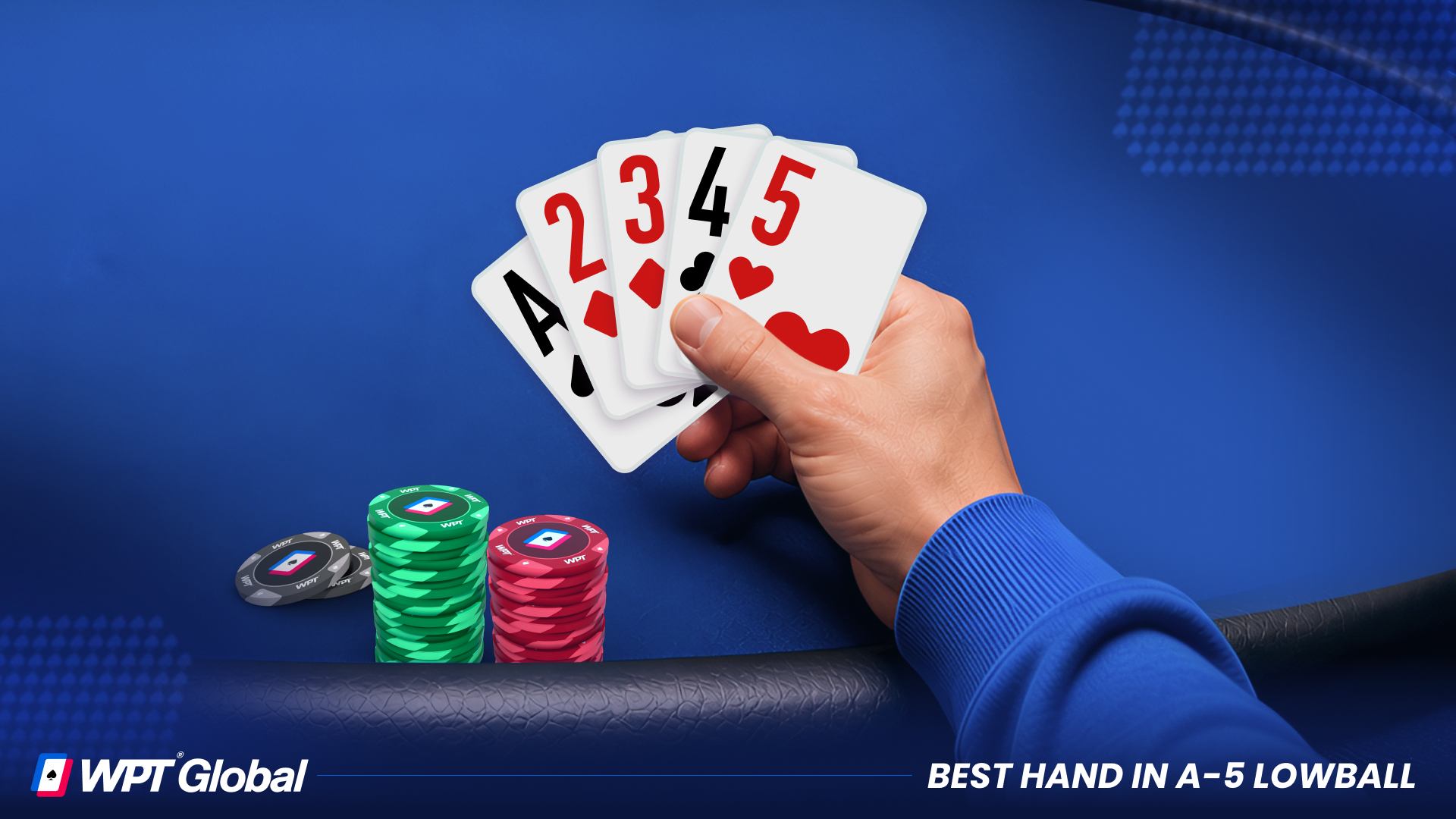
In Ace-to-Five lowball, also known as California Lowball, the goal is to make the lowest possible five-card hand. Straights and flushes do not count against you, and aces are always treated as low cards, making this one of the easiest formats for beginners to learn.
Key Rules
Aces are always low, straights and flushes are ignored, and the best possible hand is A-2-3-4-5, commonly known as the wheel.
Top Hands (Best to Worst)
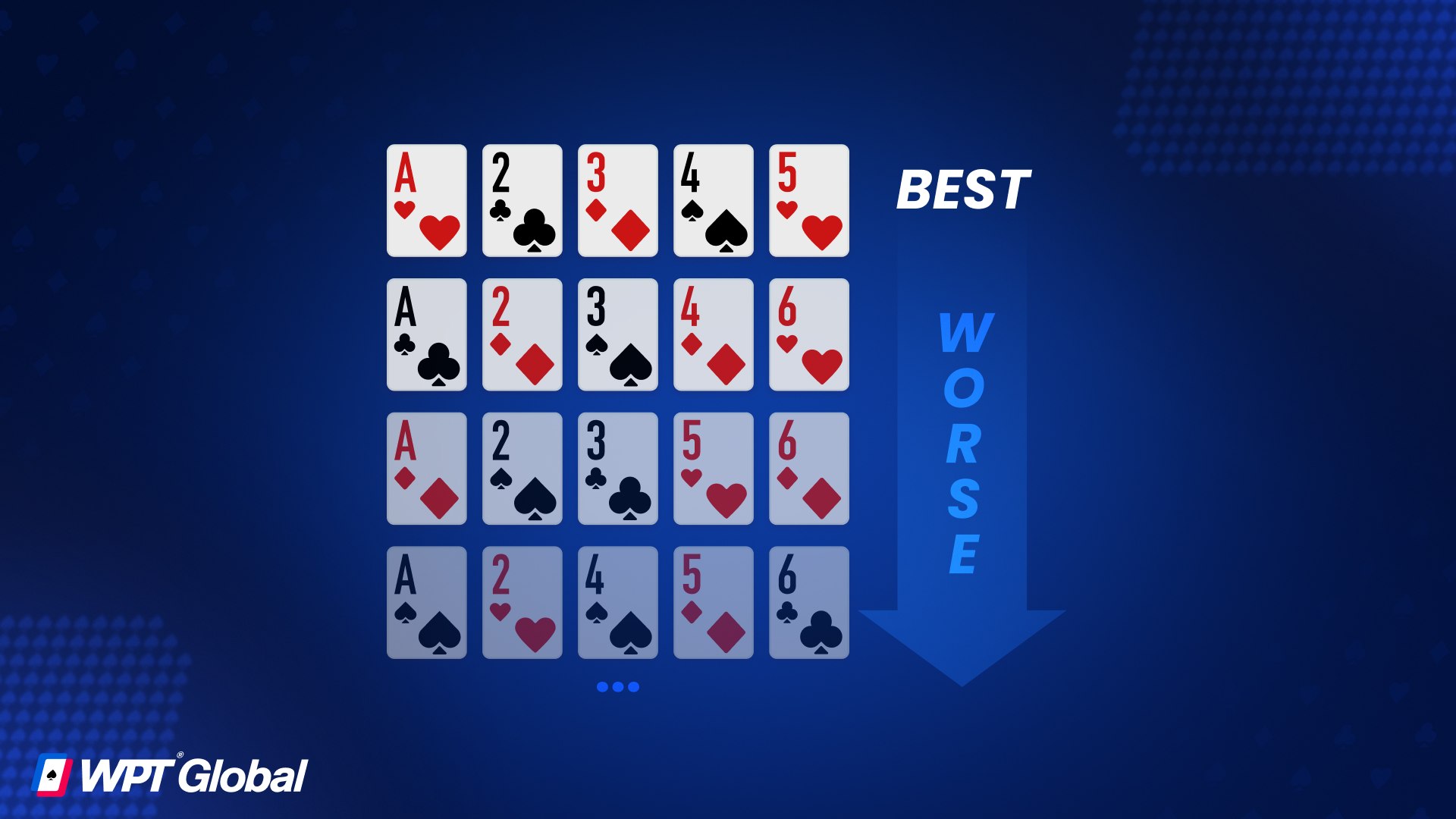
Deuce-to-Seven Low (Best to Worst)
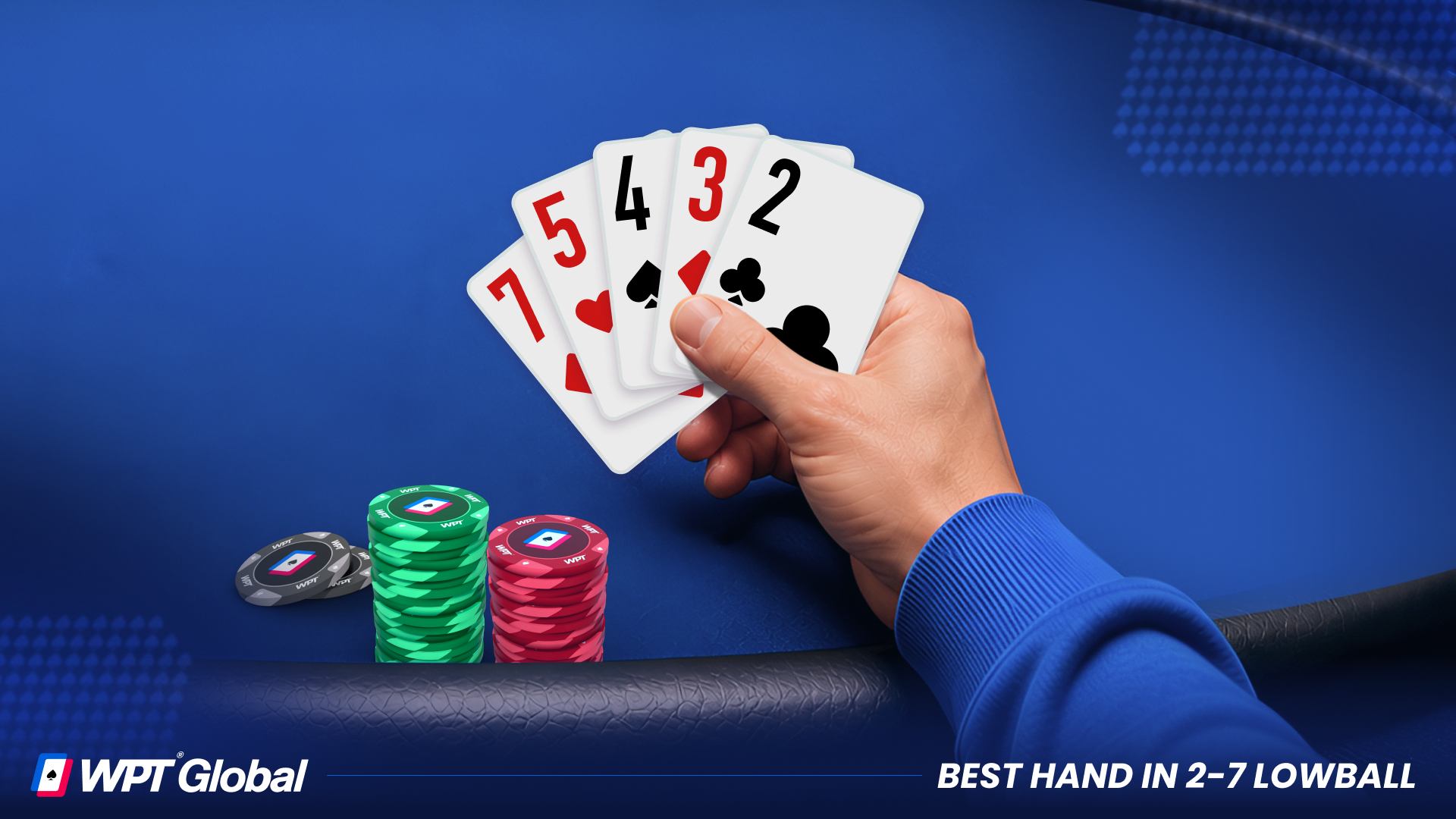
In Deuce-to-Seven lowball, often called 2-7 Lowball or 2-7 Triple Draw, the rules are stricter and more strategic. Straights and flushes count against you, and aces are always high, which makes building a strong low hand more challenging.
Key Rules
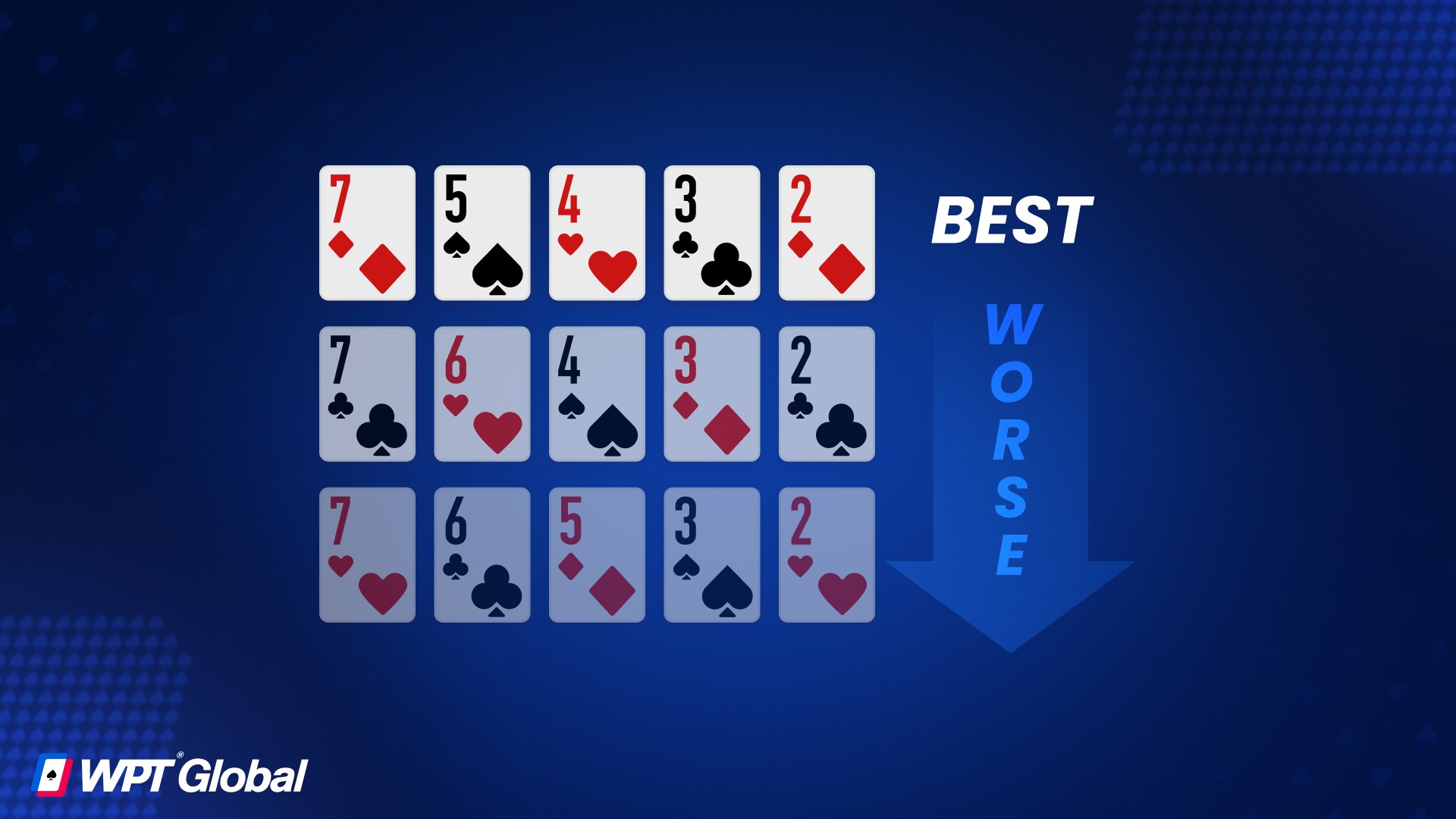
Aces are high and therefore bad for low hands, straights and flushes invalidate otherwise strong hands, and the goal is to avoid both sequences and matching suits.
Top Hands (Best to Worst)
Key Differences Between Variants

Ace-to-Five is more forgiving because straights and flushes are ignored, while Deuce-to-Seven is more complex due to these penalties. The role of the ace also changes between variants, being low in Ace-to-Five and high in Deuce-to-Seven, which significantly impacts hand selection and overall strategy.
Lowball Poker Tips for Beginners
Lowball poker flips traditional hand rankings on their head, which can make it confusing at first. Instead of aiming for strong high hands, you’re trying to build the weakest possible combination. These beginner tips will help you avoid common mistakes and start making better decisions at the table.
1. Start with Strong Low Cards
Hands containing cards below eight usually provide the best drawing potential, especially in popular variants like 2-7 Triple Draw or Ace-to-Five. Starting with low, unpaired cards gives you more flexibility to improve your hand while avoiding penalties like pairs or high cards.
2. Pay Attention to Opponent Draws
In draw variants, the number of cards opponents take can reveal a lot about their hand strength. Players drawing one card are often close to a strong low hand, while those drawing multiple cards are usually still building. Observing these patterns helps you make more informed betting decisions.
3. Avoid Accidentally Making Straights
In some lowball variants, especially Deuce-to-Seven, straights and flushes count against you. This means a hand like 7-6-5-4-3 can actually be worse than it looks. Always be mindful of your card combinations to avoid accidentally turning a good low into a losing hand.
4. Be Selective with Bluffing
Lowball bluffing works best when opponents appear to be drawing heavily or showing weakness. Since players are often chasing improvement, well-timed aggression can force folds. However, bluffing too frequently can be risky, especially against experienced players who understand draw patterns.
5. Learn One Variant at a Time
Each lowball ranking system is different, and the rules can vary significantly between games like Ace-to-Five, Deuce-to-Seven, and Razz. Focusing on one variant at a time helps you fully understand hand values, strategy, and common situations before moving on to another format.
Players interested in deeper decision-making often explore advanced concepts found in poker strategy resources.
History and Evolution of Lowball Poker
Lowball poker has existed for more than a century and evolved alongside traditional poker games.
Early draw poker games in the United States often experimented with reversed rankings, eventually leading to structured lowball formats like California Lowball.
In the late 20th century, games such as 2-7 triple draw and razz gained popularity among professional players. These variants became staples of mixed-game formats and major tournament series.
The rise of online poker platforms also helped introduce lowball formats to a wider audience. Today, many players encounter lowball games through mixed-game rotations and specialized tournaments.

FAQs
Is a straight bad in lowball poker?

In many lowball formats, straights count against you. However, in Ace-to-Five Lowball they are ignored.
What’s the best hand in 2-7 Triple Draw?
The best possible hand is 7-5-4-3-2, often referred to as a “number one.”
How many cards do you draw in lowball?
In draw variants like 2-7 Triple Draw, players may draw cards up to three times during the hand.
Can I bluff in lowball poker?
Yes. Bluffing plays an important role, especially in draw games where opponents cannot see your final hand until showdown.



Promotions
For Customers
Safety & Security
Stay Connected
Follow us on social media to stay updated with the latest news, updates, and exclusive offers!


Promotions
For Customers
Safety & Security
Stay Connected
Follow us on social media to stay updated with the latest news, updates, and exclusive offers!
 Local Payment Methods
 Cards
 Crypto
 E-Wallets
 Apple Pay
 Google Pay
 Instant Bank Payments
*
Some methods may not be available in your region. Please contact support if you experience any issues.
This website is operated by Everstronglink Limited a company incorporated under the laws of Costa Rica having its registered address at Province 01 San Jose, Canton 02 Escazu, San Rafael, On La Ceiba Street, House No. 400, Costa Rica, and is licensed by the Tobique Gaming Commission under License Number 0000005. Kashxa Limited, a Cyprus company with registration number 427606, having its registered office at Strovolou, 12 Aigyptou, Nicosia, 1097, Cyprus, is acting as a payment agent on behalf of the license holder entity Everstronglink Limited.
Gambling can be addictive. Play responsibly. Everstronglink Limited only accepts customers over 18 years of age.
Copyright © 2026 WPT Global. All rights reserved