





 Customer Dispute Resolution Page
 Help Center
 Affiliate Program
In this article
Welcome to WPT Global
Welcome to WPT Global, the online home of the World Poker Tour®. Let us guide you through setting up your account and get you to the tables in no time.Social Media


How To Play
World Leading Tournaments
A huge player pool and everything from freerolls to high rollers – plus regular special events!Ambassadors
Get to know our ambassadors - world-class players from across the globe who embody the spirit of the game. Discover their stories and become part of the community.Your Hub for News
Explore stories, tips, and updates from the world of poker and casino. Learn from pros, discover new trends, and stay in the loop with everything happening at WPTGlobal.What are you looking for?
Close




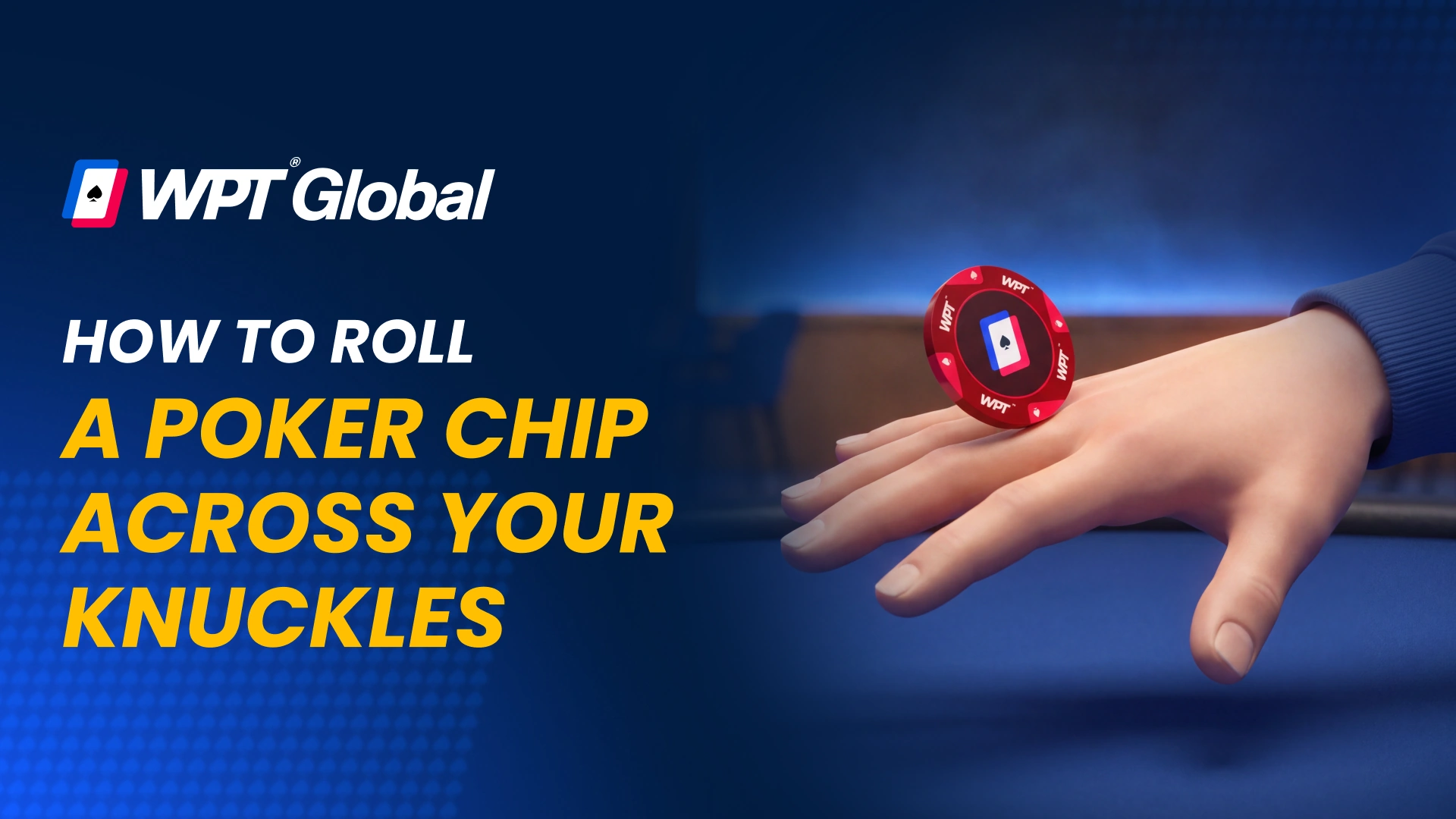
How to Roll a Poker Chip Across Your Knuckles
Share




Key Takeaways
Rolling a poker chip across your knuckles is a classic poker chip trick that improves chip handling confidence at the table.
The movement is based on the same mechanics as the coin knuckle roll but is often easier because poker chips are larger.
The trick works by transferring the chip from one finger to the next using controlled finger movements.
Practicing slowly helps develop the finger independence required to keep the chip balanced.
Once mastered, the movement can loop continuously so the chip rolls across your knuckles repeatedly.
Rolling a poker chip across your knuckles is one of the most recognizable chip tricks in poker. While it does not affect the outcome of a hand, it has become a common way for players to stay relaxed between hands while keeping their hands occupied.
You will often see players performing small chip tricks during long sessions of poker tournaments or cash games while waiting for the next hand to begin. The movement looks complicated at first, but it is actually a simple sequence of controlled pushes between your fingers.
The trick is closely related to the classic coin knuckle roll. The main difference is that a poker chip has a larger surface area, making it slightly easier to balance while learning the motion.
With a little patience and repetition, most players can learn the technique in an hour or two of practice.
Step 1. Position the Poker Chip Correctly
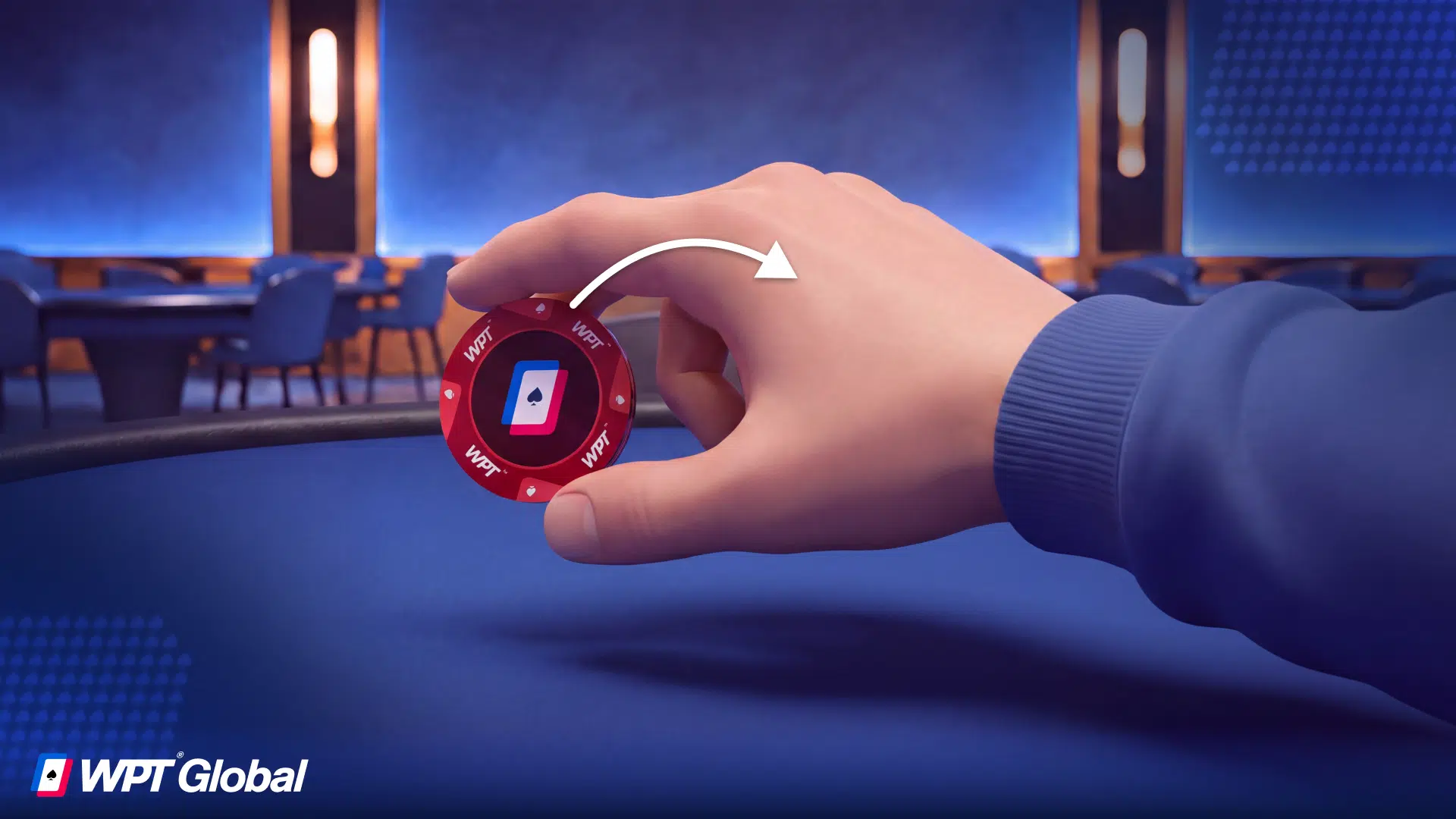
Begin by holding a single poker chip between your thumb and index finger. The chip should sit against the side of your index finger rather than being tightly pinched.
Your palm should face slightly upward, and your fingers should be relaxed and slightly curved. The goal is to create a natural platform across the tops of your fingers where the chip can roll.
At this stage, you are simply establishing balance. If the chip feels unstable, adjust the pressure from your thumb slightly until it rests comfortably against your index finger.
This starting position sets up the first push that begins the knuckle roll.
Step 2. Push the Chip onto Your Index Finger
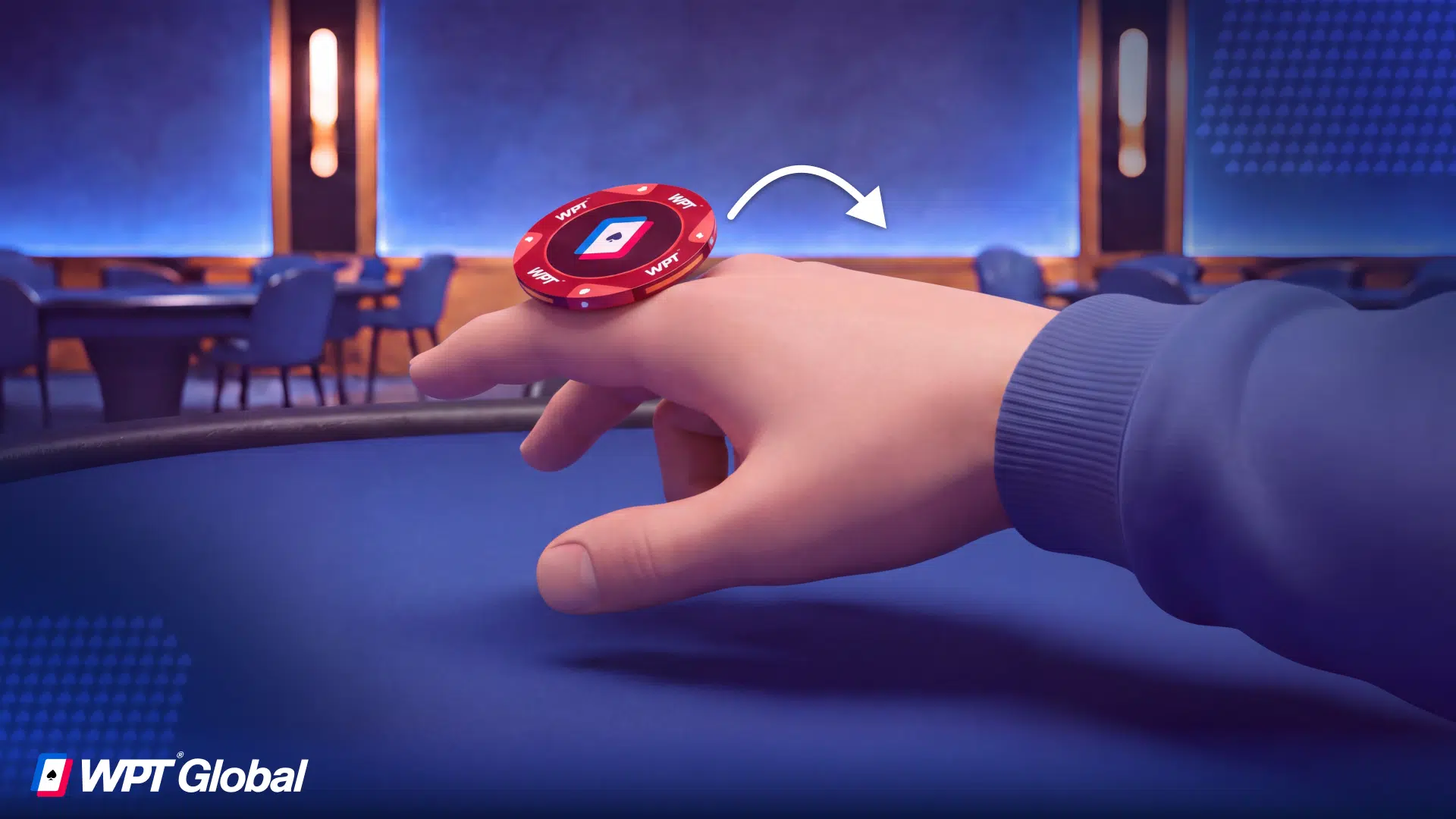
Use your thumb to push the poker chip forward so it rolls onto the top of your index finger knuckle.
As the chip moves forward, your middle finger should move slightly underneath it, preparing to catch it. The chip will briefly balance on the ridge of your index finger before tipping toward the space between your index and middle finger.
This is where many beginners drop the chip because they try to flick it too quickly. Instead of flicking, think of it as guiding the chip gently across the knuckle.
Slow and controlled movement is far more effective than speed.
Step 3. Transfer the Chip to the Middle Finger
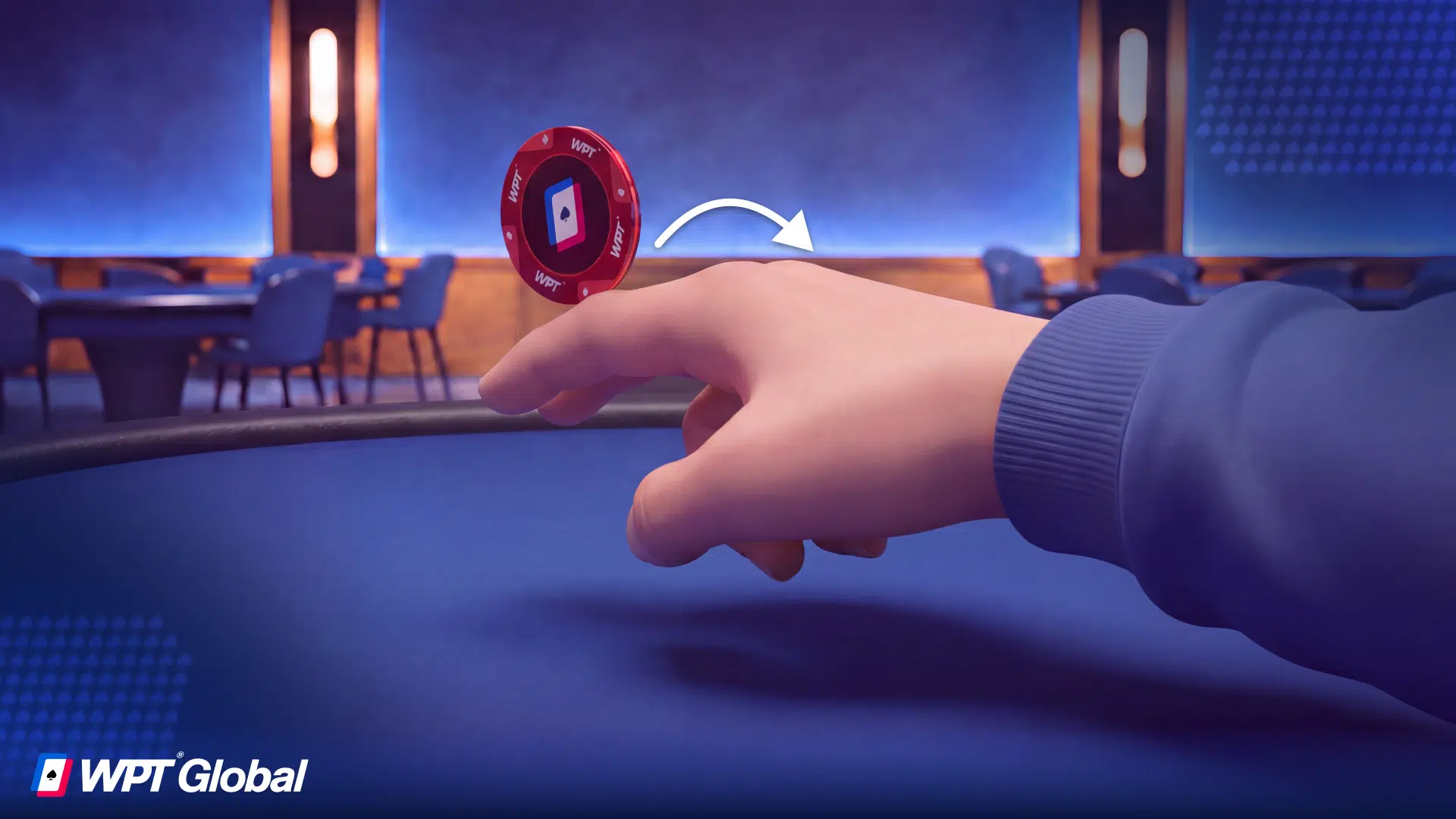
Once the chip reaches the gap between your index and middle finger, lift the middle finger slightly so the chip rolls onto its knuckle.
Your ring finger should move forward at the same time to prepare for the next transfer. Each finger essentially acts as a small ramp that lifts the chip toward the next finger.
At this stage, the motion begins to feel like a chain reaction rather than separate actions. The chip rolls forward because each finger rises just enough to guide it along.
If the chip falls off your hand during practice, simply reset it to the starting position and repeat the movement.
Step 4. Continue the Roll Across the Ring Finger
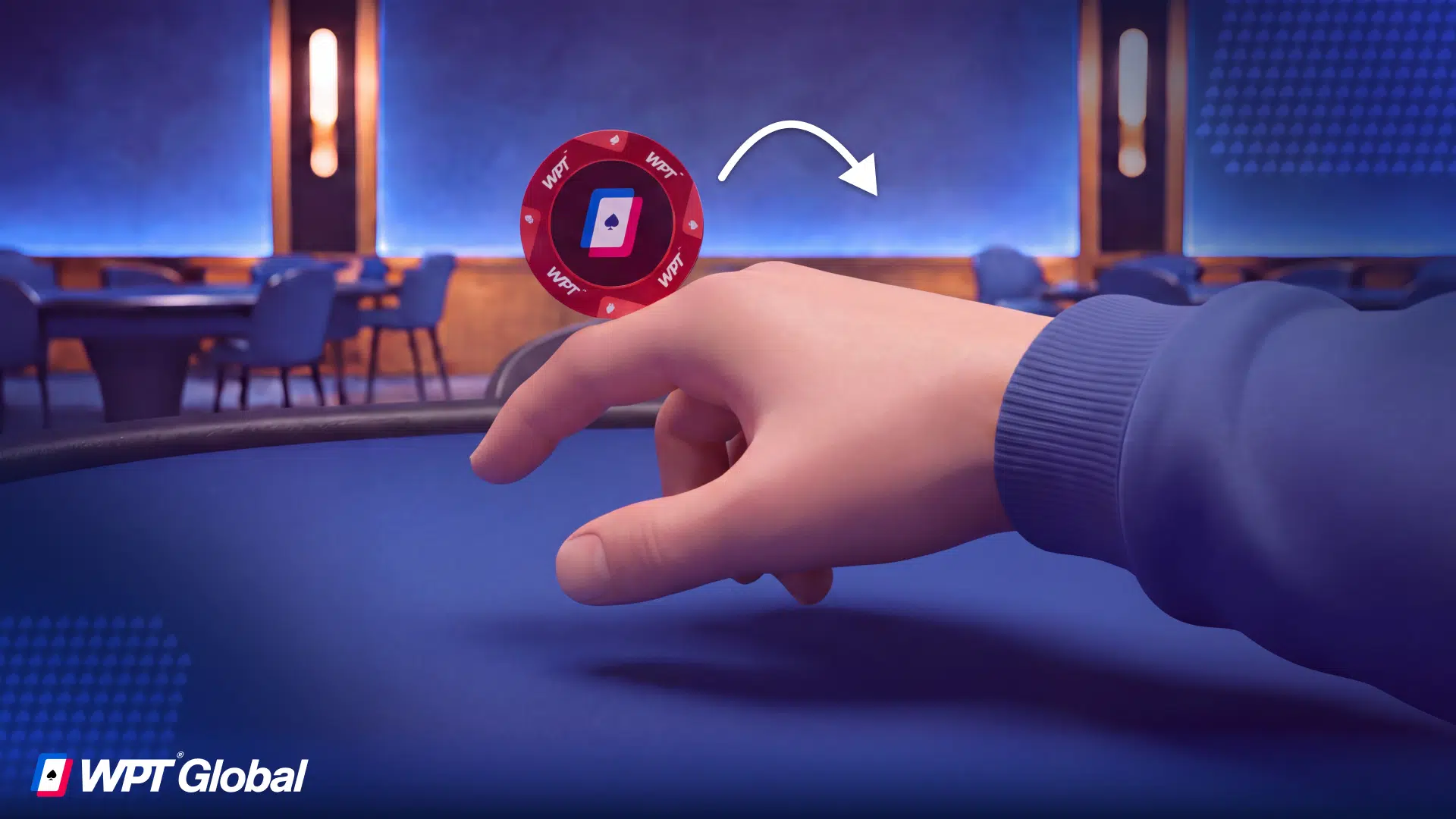
As the chip moves across the middle finger, your ring finger should lift slightly to receive it.
This part of the trick can feel awkward because the ring finger is naturally less independent than the other fingers. It may take a little extra practice to coordinate this movement smoothly.
Focus on lifting the ring finger at the right moment so the chip rolls naturally onto the next knuckle. If the timing is correct, the chip should glide across without stopping.
Once the chip reaches the ring finger, your pinky prepares for the final step.
Step 5. Catch the Chip with Your Pinky and Return It to Your Palm
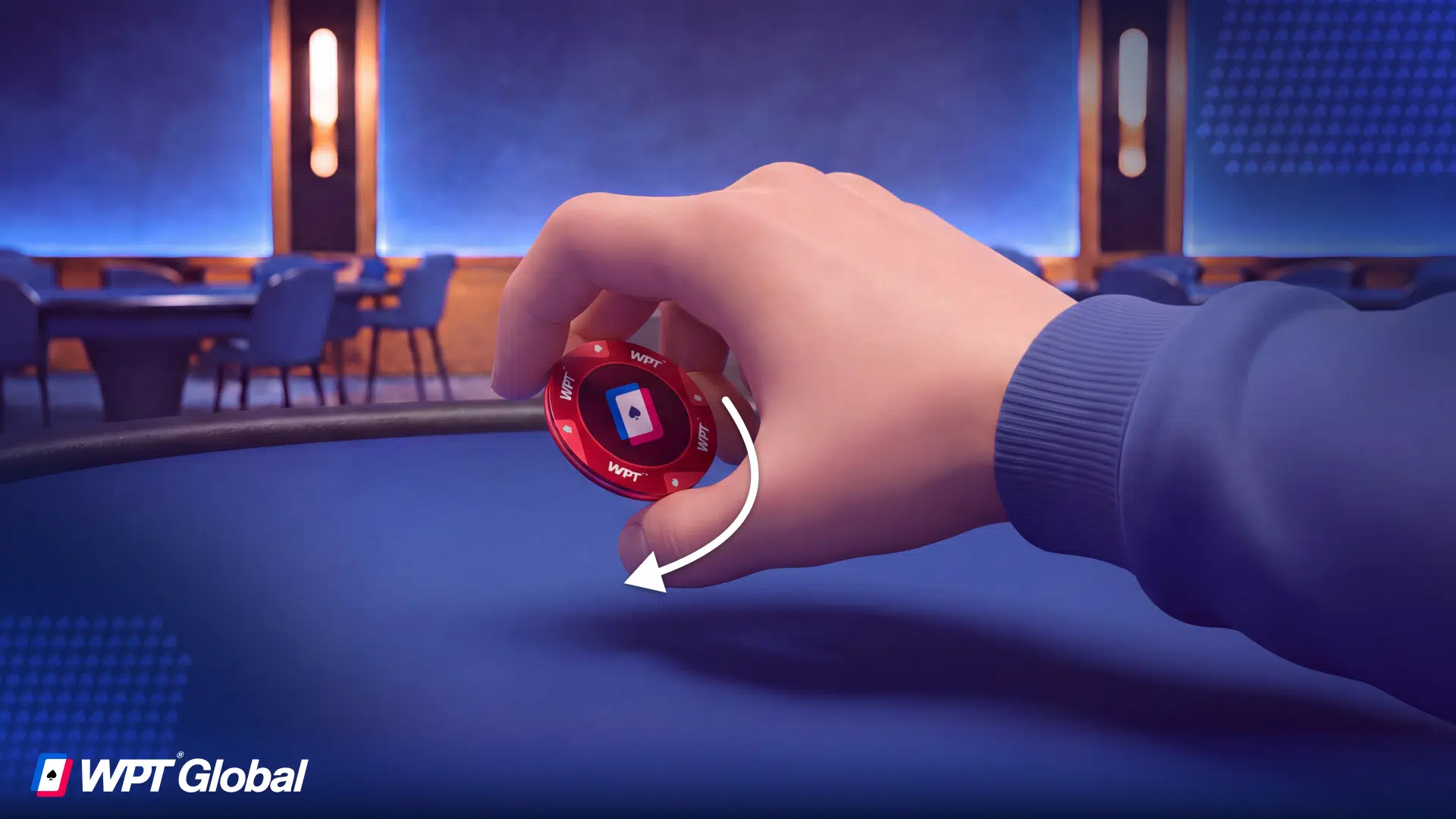
When the chip rolls off the ring finger, your pinky should lift slightly so the chip lands on its knuckle.
From here, allow the chip to fall naturally into your palm. Your thumb can then guide the chip back into the starting position between your thumb and index finger.
Once you become comfortable with the movement, you can perform the roll continuously so the chip cycles across your knuckles repeatedly.
Many experienced players perform this motion automatically while waiting between hands in live poker games.
Tips for Mastering the Poker Chip Knuckle Roll
Learning the trick quickly is mostly about developing finger coordination. A few practical tips make the learning process much easier.
Practice the Movement Slowly
Most beginners try to perform the trick too quickly. Rolling the chip slowly across each finger helps build the muscle memory needed to control the motion. Speed will naturally develop once your fingers understand the sequence.
Start with a Single Chip
Learning with multiple chips can make the trick harder because of the added weight and instability. Begin with one chip until you can roll it consistently across your knuckles.
Use the Edge of the Chip
The rim of the poker chip naturally guides the movement across your knuckles. Let the edge lead the roll instead of trying to slide the flat surface across your fingers.
Expect to Drop the Chip While Learning
Dropping the chip is part of the learning process. The trick relies on fine finger coordination, which takes repetition to develop. Reset the chip and continue practicing.
Practice During Downtime
Many players practice chip tricks casually while watching television or sitting at a desk. Short, relaxed practice sessions often help the movement become automatic.
Final Thoughts
Rolling a poker chip across your knuckles is a simple but iconic poker flourish. While it does not influence strategy, it adds a level of comfort and familiarity with chips that many experienced players develop over time.
The trick is based on the same mechanics as a coin knuckle roll, but the larger size of a poker chip makes it easier for beginners to learn. With steady practice and controlled movements, the chip will eventually glide across your fingers smoothly.
Like most poker chip handling techniques, the goal is not speed but control. Once your fingers learn the sequence, the motion becomes second nature during long sessions of poker.



Promotions
For Customers
Safety & Security
Stay Connected
Follow us on social media to stay updated with the latest news, updates, and exclusive offers!


Promotions
For Customers
Safety & Security
Stay Connected
Follow us on social media to stay updated with the latest news, updates, and exclusive offers!
 Local Payment Methods
 Cards
 Crypto
 E-Wallets
 Apple Pay
 Google Pay
 Instant Bank Payments
*
Some methods may not be available in your region. Please contact support if you experience any issues.
This website is operated by Everstronglink Limited a company incorporated under the laws of Costa Rica having its registered address at Province 01 San Jose, Canton 02 Escazu, San Rafael, On La Ceiba Street, House No. 400, Costa Rica, and is licensed by the Tobique Gaming Commission under License Number 0000005. Kashxa Limited, a Cyprus company with registration number 427606, having its registered office at Strovolou, 12 Aigyptou, Nicosia, 1097, Cyprus, is acting as a payment agent on behalf of the license holder entity Everstronglink Limited.
Gambling can be addictive. Play responsibly. Everstronglink Limited only accepts customers over 18 years of age.
Copyright © 2026 WPT Global. All rights reserved