









 Customer Dispute Resolution Page
 Help Center
 Affiliate Program
Play Anytime, Anywhere
In this article




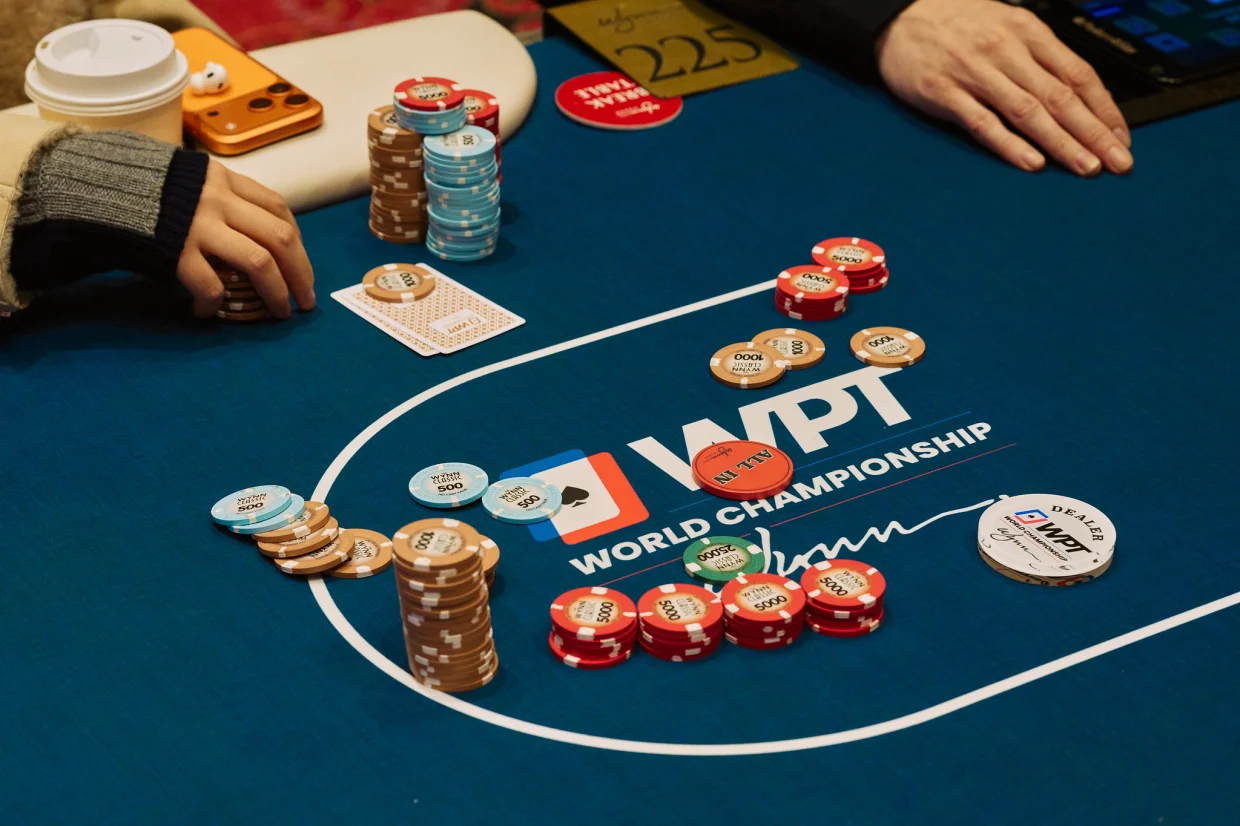





Every experienced poker dealer has seen the same beginner mistakes a bunch of times.
A string bet made in two (or three) motions, a phone missing the action, a winning hand tossed toward the muck. None of it makes you a bad player, and none of it is anything to stress too much over.
Experienced players make table etiquette mistakes too. However, most of it is painless to fix. And, fixing it makes the game smoother for everyone and stops you giving away chips (and information) you didn't mean to.
More corrections happen around betting than anything else. Fortunately, they're also the easiest to clean up.
Act in turn. Wait for the action to reach you before you do anything. Fold, call, or raise. Acting early, even reaching for chips, leaks information to the players still to decide and can change how the hand plays out. Watch the button and the person to your right, and you'll always know when it's on you.
Don't string bet. This is the big one. If you want to raise, announce it before moving your chips. Or put the full amount out in a single motion. What you can't do is put out a call and then reach back to your stack for more. That's called string betting and it's frowned upon and causes confusion at the table.
Announcing your action first is the fix for almost every betting fumble, and it protects you no matter the chip denominations. It's also why a single oversized chip counts as a call unless you say "raise".
Don't splash the pot. Place your chips neatly in front of you, not tossed into the middle. It looks dramatic in the movies, but in a real game it makes your bet impossible to count and slows everyone down while the dealer sorts it out.
Remember that verbal is binding. Say what you mean, because a spoken "call," "raise," or "fold" commits you. In practice, it's a great habit and also your protection, as a clear verbal declaration can't be misread.
Stack your chips so they can be seen. Keep bigger denominations visible at the front of your stack. Opponents deserve to have a reasonable count of what you're playing. A tidy, readable stack keeps the dealer from having to stop and verify.
Protect your hand. Keep your cards on the table, in view, and drop a chip or a card protector on top. That way your hand won't get swept into the muck by the dealer or fouled by another player's discards. A mucked or fouled hand is a dead hand.
Hold your cards until the pot is pushed. Don't release them or toss them toward the middle until you're certain the pot is yours. Cards let go early can be ruled dead.
When in doubt at showdown, table your cards face-up. Even experienced players occasionally misread the board and throw away a winner. If there's any chance you've won, turn your hand face-up and let the dealer read it. The dealer will find you the best five cards. Tabling costs you nothing and has saved countless beginners a pot.
Be ready when it's your turn. Phones and headphones are fine in moderation (some players swear by wearing headphones). However, they're the usual reason someone misses the action and holds up the table. Follow the hand even when you're not in it, so you know the situation when it's on you.
Don't tank on easy spots. Taking time over a genuinely tough decision is normal, it's part of poker. Stalling over routine ones isn't. It wears on everyone's patience and, over a long session, everyone's goodwill.
Many see taking time as a way to gain edge, but it's also not the best way to gain goodwill from the table if you do it every hand.
Never slow roll. A slow roll is deliberately pausing to reveal a hand you know is winning, letting your opponent think they've won first. It's widely considered the rudest move in poker. If you've got the likely winner at showdown, show it promptly.
One player to a hand. Once you've folded, you're out of that hand. Don't react, comment, or flash your folded cards to anyone. Any of it can influence how the live hand plays, and it's a genuine breach, not only bad form.
Don't blame the dealer. The dealer is delivering the cards, not choosing them. Slamming the table, snapping at them, or making them the target of a bad beat is poor manners. It broadcasts to the whole table that you're on tilt, which is information you don't want to give away.
Know that it's table stakes. Only the chips you have on the table play in a hand. You can't reach into your pocket for more mid-hand, and "all-in" means everything in front of you.
Tipping trips up a lot of new players, so here's the plain version. Dealers work long shifts and tips are always welcome. Tippers tend to get more attentive service and a warmer welcome.
In cash games, a common guideline is to toss the dealer a small tip when you win a pot. The tip is often around 1–2% of a decent-sized pot, or a flat dollar or so on smaller ones. A few pointers that matter as much as the amount:
Never tip in the middle of a hand. It distracts the dealer and slows play; tip after the pot is pushed to you.
Tournaments usually handle it for you. Most events take a dealer toke out of the prize pool automatically, so you're not expected to tip on every pot. Though many players still hand something over after a big cash.
When you're unsure, watch the regulars. Tipping culture varies by room, country and stakes, so asking the locals is the safest guide. No dealer will mind if you ask how the house does it.
None of this is a fixed rule. Treat it as a reference.
At the end of the day, house rules vary. String-bet enforcement, showdown order, minimum tips, even how chips must be stacked can differ from room to room.
Dealers know new players are still learning, and they won't judge you for asking a quick question.
For example: "Is it on me?" "How do I raise here?" "How does the house handle tips?" A good dealer would rather answer that than watch you make a costly mistake. Get the basics here down and you'll be the kind of player dealers are glad to see sit down — and the game will feel a lot more fun from your seat, too.

Making a bet in two motions — putting out chips, then reaching back for more — instead of announcing the raise first or moving the full amount at once. It's ruled a call because the staggered motion could be used to gauge reactions before deciding, so announce "raise" before your chips move.
In cash games, a common guideline is roughly 1–2% of a pot you win, or about a dollar on small pots — after the hand, never during it. Tournaments usually take a dealer toke from the prize pool automatically. Norms vary by room and region, so when unsure, watch the regulars or ask.
Table your cards face-up and let the dealer read them. Players sometimes misread their hand and muck a winner, and tabling protects you from throwing away a pot.
Deliberately delaying before revealing a hand you know is winning, so your opponent briefly thinks they've won. It's considered one of the rudest things you can do at a table — show a likely winner promptly.
Not at all. House rules vary, and dealers would much rather answer a quick question than see you make a mistake. Asking is the smart move, not a beginner's tell.


 Local Payment Methods
 Cards
Cards Crypto
 E-Wallets
 Apple Pay
 Google Pay
 Instant Bank Payments
Some methods may not be available in your region. Please contact support if you experience any issues.