




 Customer Dispute Resolution Page
 Help Center
 Affiliate Program
Play Anytime, Anywhere
In this article




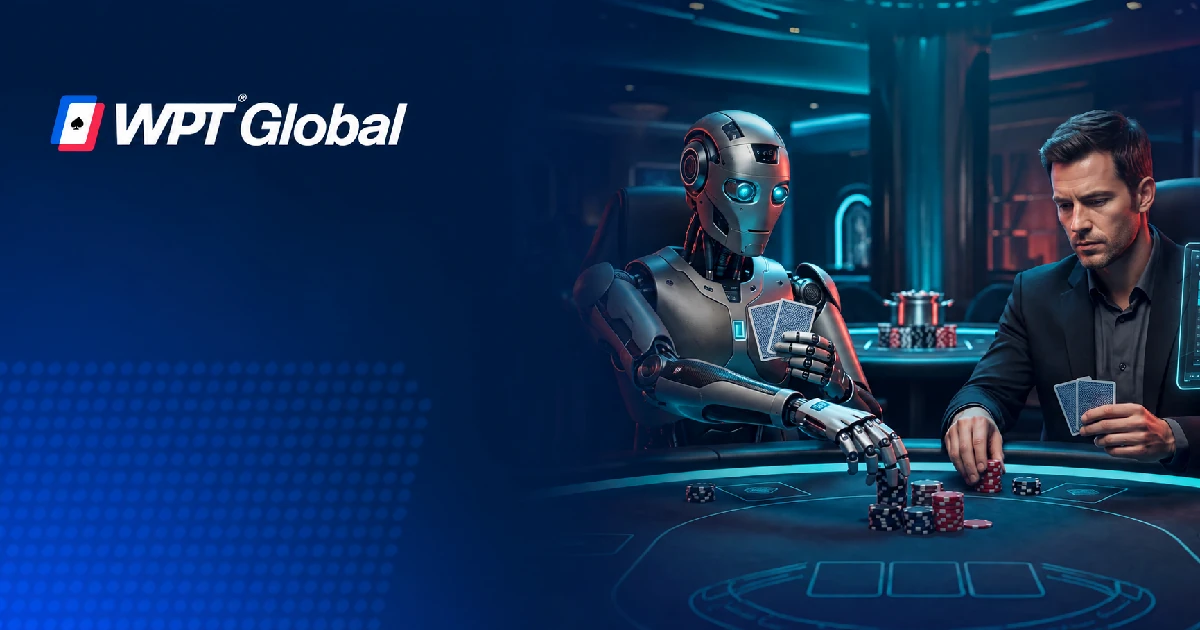




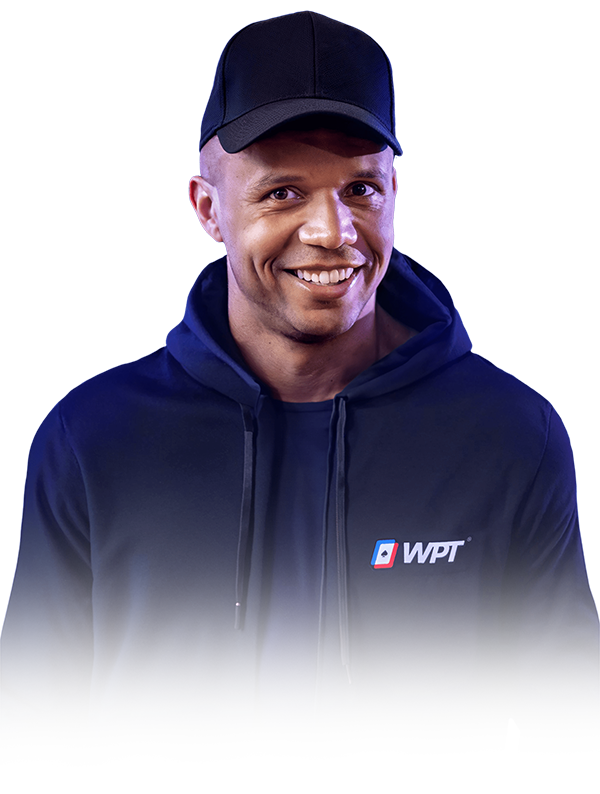
An AI startup has attracted funding from four of poker's most recognisable figures. Phil Hellmuth, Alan Keating, PokerGO founder Cary Katz, and Jeff Gross, have backed Sentinel AI, which just raised a seven-figure seed round.
To be clear, Sentinel AI is not a poker product. Sentinel is a fintech company that pitches itself as reading "the market's tells". That is, tracking what retail investors are saying about a stock the way a poker player reads an opponent.
Let's take a look why poker players are supporting it (None of what follows is investment advice.)
The seven-figure seed round drew in the four poker names.
It also drew two venture funds, Dream Ventures and Accretion Capital. Katz invested through Dream Ventures, where he's a general partner alongside Richard Blankenship. Gross came in as a general partner at Accretion Capital.
Hellmuth and Keating are among the backers.
In plain terms, Sentinel monitors what retail investors are saying about a company across social media and online news. It flags which stories are starting to move the share price as they form. After this it hands the company's IR team draft responses to get ahead of them.
The company sums the loop up as Detect, Verify, Act.
The claim is as follows. Retail investors these days drive a large share of trading. the company cites research putting it at around 36% of all stock-market activity. Also, they often act on stories before the fundamentals catch up. Sentinel claims that since launching earlier in 2026 it has onboarded more than 200 public companies. The total sum of these is $250 billion in combined market value.
Those traction numbers are the company's own.
It's run by founder and CEO Krishan Arora, a Harvard economics graduate. Before this, he built and sold a fundraising-media company, The Arora Project, to Republic.com in 2022.
To clear up any confusion, Sentinel AI has nothing to do with poker anti-cheating software. It's also a different company from the various other "Sentinel"-named security and research firms. It's a stock-market tool that happens to have poker players on its cap table.
The skills that make a great poker player tend to map unusually well onto investing, and the backers know it.
In both, you're making decisions under uncertainty with incomplete information. Poker you size bets, manage variance, read tells, and know when to fold. Those are the same instincts a good early-stage investor benefits from.
The backers' framing is that Sentinel does what they do at the table every day. They read the signal in a flood of noise and act before everyone else.
The crossover isn't new. Poker has long had many serious investors among its players. Chamath Palihapitiya, Jason Calacanis, Antonio Gracias and Ron Biscardi for example. These players are no fresh face to investing. Also, high-stakes private games have doubled as places where founders and funders meet.
Backers like to tell a track record story. One that poker players were early to Bitcoin and to daily fantasy sports, and might be early on AI as well. Of course, being good at poker doesn't make anyone right about a startup, and not all early money is good money.
But it does explain why a sentiment-reading tool found a receptive audience among people who do exactly that for a living.
The backers were, as you'd expect, upbeat.
Hellmuth framed the decision in pure poker terms. He stated that he's "built my career on reading people at the table, and Sentinel reads the whole market the same way, catching the stories retail investors trade on before Wall Street sees them."
Keating, asked about the decision to invest, put it more bluntly: "It'd be dumb not to." Gross tied it back to the core idea that "the biggest edge in any game is better information." Arora, for his part, called it "a true honour" to have top poker players on the cap table, citing the overlap between poker and entrepreneurship, in that "making the right decision with incomplete information". He hinted at his excitement in "going all in."
(All quotes via PokerNews, October 2026.)
None of the above is investment advice.

No. It's a fintech startup, a retail-sentiment and narrative-intelligence platform for public companies' investor-relations teams. It has poker players as investors, which is the only poker connection.
Phil Hellmuth, Alan Keating, PokerGO founder Cary Katz and Jeff Gross, alongside the funds Dream Ventures and Accretion Capital. Katz invested through Dream Ventures and Gross through Accretion Capital, where each is a general partner.
It tracks retail-investor chatter across social media and news, flags narratives that may move a company's stock, and gives that company's IR team draft responses. a Detect, Verify, Act loop.
Because poker and investing share a skill set: decisions under uncertainty, reading incomplete information, bet sizing, managing variance, and folding when the story changes. The backers see Sentinel doing at market scale what they do at the table.
No. It's a business/industry news piece. The backers have financial stakes, startups are high-risk, and nothing here is a recommendation to invest.


 Local Payment Methods
 Cards
Cards Crypto
 E-Wallets
 Apple Pay
 Google Pay
 Instant Bank Payments
Some methods may not be available in your region. Please contact support if you experience any issues.