





 Customer Dispute Resolution Page
 Help Center
 Affiliate Program
In this article
Welcome to WPT Global
Welcome to WPT Global, the online home of the World Poker Tour®. Let us guide you through setting up your account and get you to the tables in no time.Social Media


How To Play
World Leading Tournaments
A huge player pool and everything from freerolls to high rollers – plus regular special events!Ambassadors
Get to know our ambassadors - world-class players from across the globe who embody the spirit of the game. Discover their stories and become part of the community.Your Hub for News
Explore stories, tips, and updates from the world of poker and casino. Learn from pros, discover new trends, and stay in the loop with everything happening at WPTGlobal.What are you looking for?
Close



Why Poker Feels Harder When You're Winning
Share




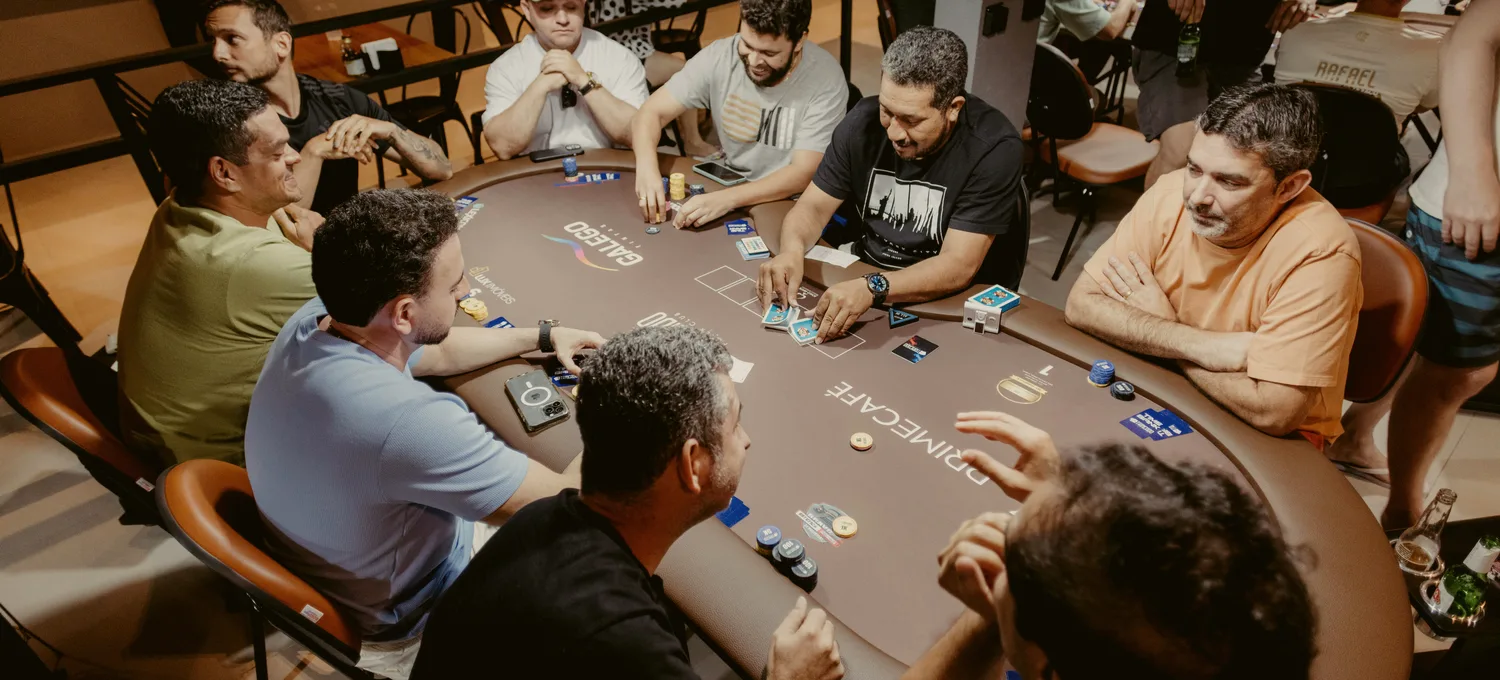
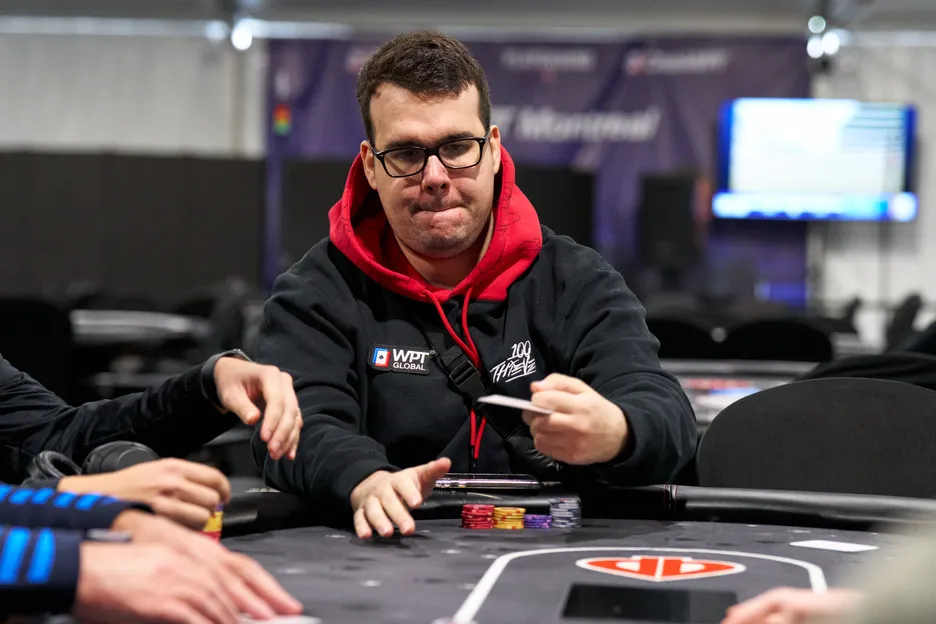
You were crushing. The cards were cooperating, the reads were landing, and the stack in front of you kept getting taller. And then, somehow, it got harder. You tightened up.You started protecting your pile instead of pressing your edge.
If that's familiar, you're not imagining it, and you're not alone. Winning sometimes makes poker feel harder. And most of it is happening in your head, not on the felt. Let's talk about the behavioral-economics engine behind the feeling. It's worth mentioning the times it is harder, and how you can tackle this in your next game.
It's your reference point
Generally, us as human beings don't judge outcomes in absolutes, rather judging them against reference points. For example during a winning streak, that reference point follows you up.
In short, this is prospect theory. It's a framework Daniel Kahneman and Amos Tversky built.
For poker context, the theory states that in the scenario that you're up a stack, the up a stack becomes the new normal. An ordinary downswing, one you might shrug off, now registers as a loss against that new normal. Break-even starts to feel like losing. The normal fluctuations feels more impactful than they are. Loss aversion also contributes, and in quite a damaging way.
The same research says that losses hurt roughly twice as much as equal gains feel good. So when you have a visible pile of profit that you could give back, the fear of losing is much greater. Imagine you're ideally meant to take calculated risks at the table. Constant loss avoidant thinking won't cut it, nor benefit you in the long run. And, this isn't only theory.
A study of experienced online poker players (Eil and Lien's "Staying ahead and getting even") saw this pattern in real money games. The players tend to take less risk when they're ahead and chase more when they're behind. The instinct to lock up a good result and play it safe is measurable, common, and quietly costly.
Scared money
As a player, you without doubt know what tilt looks like. It can be raging after a bad beat, or spewing chips in anger. When it comes to playing scared, we can describe it as the same flaw in a nicer suit.
What is scared money then?
Scared money is fear of losing what you've won. It can ruin your gameplay, as you start protecting chips instead of pricing decisions. You fold hands you know are ahead because a call might lose. You pass up clearly profitable bets, letting the idea of downside take over the upside. You take the small, safe pot over the bigger, correct one. Over time you could leak your stack out of fear.
Do this enough and you can turn a winning player into a losing one without ever making a mistake.
Part of what makes it so sticky is the endowment effect. Humans hate losing things we already own, or feel we have claim to. The fear is greater than losing something we never had. Risking those chips on a good bet feels like choosing to lose money you already own, even when the bet is correct.
So at times, you don't make it. The stack you built becomes a thing to defend. And playing only defensive poker is a losing strategy.
When it's not only in your head
Now for the other side, which goes past psychology. At times, the game does get harder, and pretending otherwise would be foolish.
The most common real reason is that you moved up. Winning bankrolls you into bigger games, and bigger games have tougher players and thinner edges. The advantage that built your win at one level may not exist or be harder to find.
As you become better and player at higher stakes, the difficulty is real.
Complacency is another culprit. Success has a way of killing the study habits that created it. You stop reviewing hands, you don't analyse or study as much while the field keeps improving. Enjoy your wins, but continue to remain a student of the the game.
There's also winner's tilt, the opposite of scared money.
A big heater can breed euphoria, sure, but it can also breed overconfidence. After a big win, you may be splashing around in spots you'd normally fold, making reckless plays. And, let's not forget fatigue. Hot streaks tempt you to keep going long past your bedtime, and playing tired is not always the best idea.
The fix: play the decision, not the scoreboard
Winning changes what you're optimising for.
You stop playing to make good decisions and start playing to protect an outcome. Poker punishes outcome-protection. The chips you've already won are sunk. The next decision's expected value does not care, at all, what you're "up."
Price the spot in front of you as if the scoreboard were blank.
A few practical ways to actually do that:
Reset the reference point. Think of one long, continuous session and long-run EV, not today's up-or-down. The quality of your decisions is the most important factor.
Pre-commit to strategy, not results. Decide your game plan and your stop-conditions when you're calm.
Separate scared money from a real bankroll problem. If the stakes genuinely frighten you, that's useful information. Don't sit there playing scared up. Fear at the table often means you're playing too high for your comfort or your roll.
Watch both tilts. Scared-money caution and post-heater euphoria are the same leak: letting results drive decisions. Catch either one and you catch both.
Protect the edge. Keep studying after you win, not only after you lose. The win doesn't renew itself.
Mind the body. Quit when you're tired, not when you're ahead. Trust your instincts and your body.
The players who keep their winnings aren't immune to pressure, everyone feels it in some way. However, they've trained themselves to price the next hand based on calculated decisions. To stay calm and continue with strategy under pressure.
One more point for the road. If the fear or the pressure is starting to sour the game or weigh on you off the table, that's a sign to step away for a bit. Poker should be something you choose from a clear head. Protecting your enjoyment matters more than protecting any single session's win.
FAQs
What is "scared money" in poker?

Playing fearfully to protect chips you've already won, instead of making the mathematically best decision. It leads to folding likely winners and skipping profitable bets, and it can quietly turn a winning player into a losing one.
Why does winning make poker feel harder?
Because winning raises your reference point. Once you're up, ordinary swings feel like losses, and loss aversion — losses hurting about twice as much as gains feel good — makes you fearful and defensive precisely when you should be pressing your edge.
Is it actually harder when I'm winning, or just in my head?
Both, but mostly in your head. The real reasons are that winning moves you up into tougher games, complacency erodes your edge, and fatigue or overconfidence creep in. The bigger effect, though, is psychological — your brain moving the goalposts.
How do I stop playing scared when I'm ahead?
Play the decision, not the scoreboard: treat already-won chips as sunk, pre-commit to your strategy and stop points before you're up, and if the stakes genuinely scare you, move down rather than play scared. Keep studying, and quit when tired rather than when ahead.
Promotions
Tournaments
For Customers
Safety & Security
Stay Connected
Follow us on social media to stay updated with the latest news, updates, and exclusive offers!



Promotions
Tournaments
For Customers
Safety & Security
Stay Connected
Follow us on social media to stay updated with the latest news, updates, and exclusive offers!
 Local Payment Methods
 Cards
Cards Crypto
 E-Wallets
 Apple Pay
 Google Pay
 Instant Bank Payments
*
Some methods may not be available in your region. Please contact support if you experience any issues.
This website is operated by Everstronglink Limited a company incorporated under the laws of Costa Rica having its registered address at Province 01 San Jose, Canton 02 Escazu, San Rafael, On La Ceiba Street, House No. 400, Costa Rica, and is licensed by the Tobique Gaming Commission under License Number 0000005. Kashxa Limited, a Cyprus company with registration number 427606, having its registered office at Strovolou, 12 Aigyptou, Nicosia, 1097, Cyprus, is acting as a payment agent on behalf of the license holder entity Everstronglink Limited.
Gambling can be addictive. Play responsibly. Everstronglink Limited only accepts customers over 18 years of age.
Copyright © 2026 WPT Global. All rights reserved