










 Customer Dispute Resolution Page
 Help Center
 Affiliate Program
Play Anytime, Anywhere
In this article




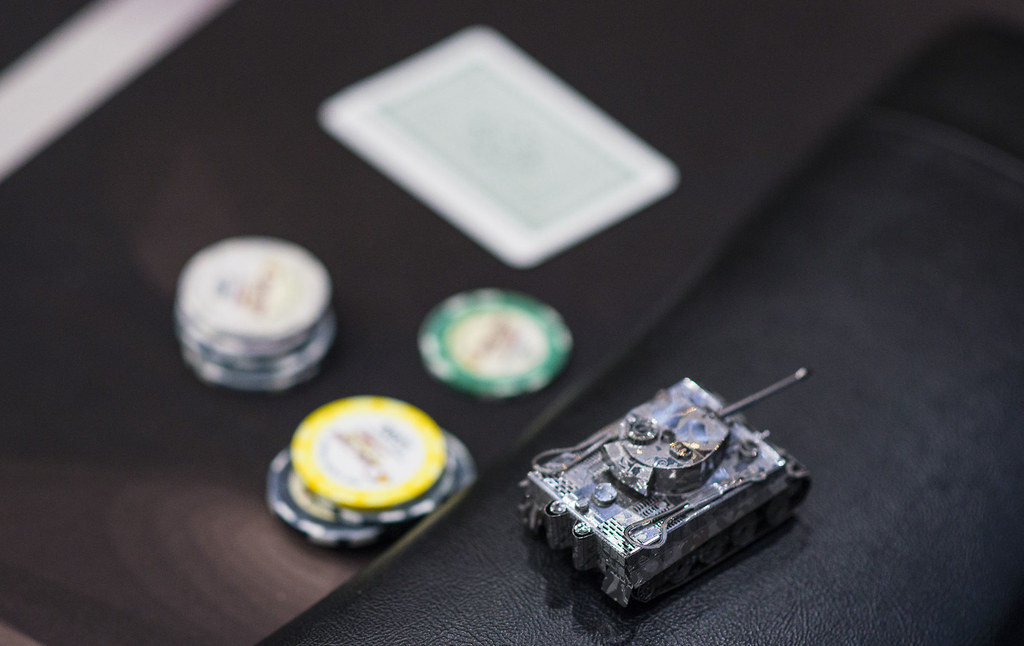





Poker is a game that has enjoyed its fair share of personalities over the years. One of the key indicators of such a personality is their card protector, their trinket if you will. They are as varied as the people that sit at the felt.
For example, legendary player Johnny Chan's iconic orange, or Greg Raymer's fossil. Other examples include a lucky coin, a little figurine, or a spare chip sitting on top of someone's hole cards.
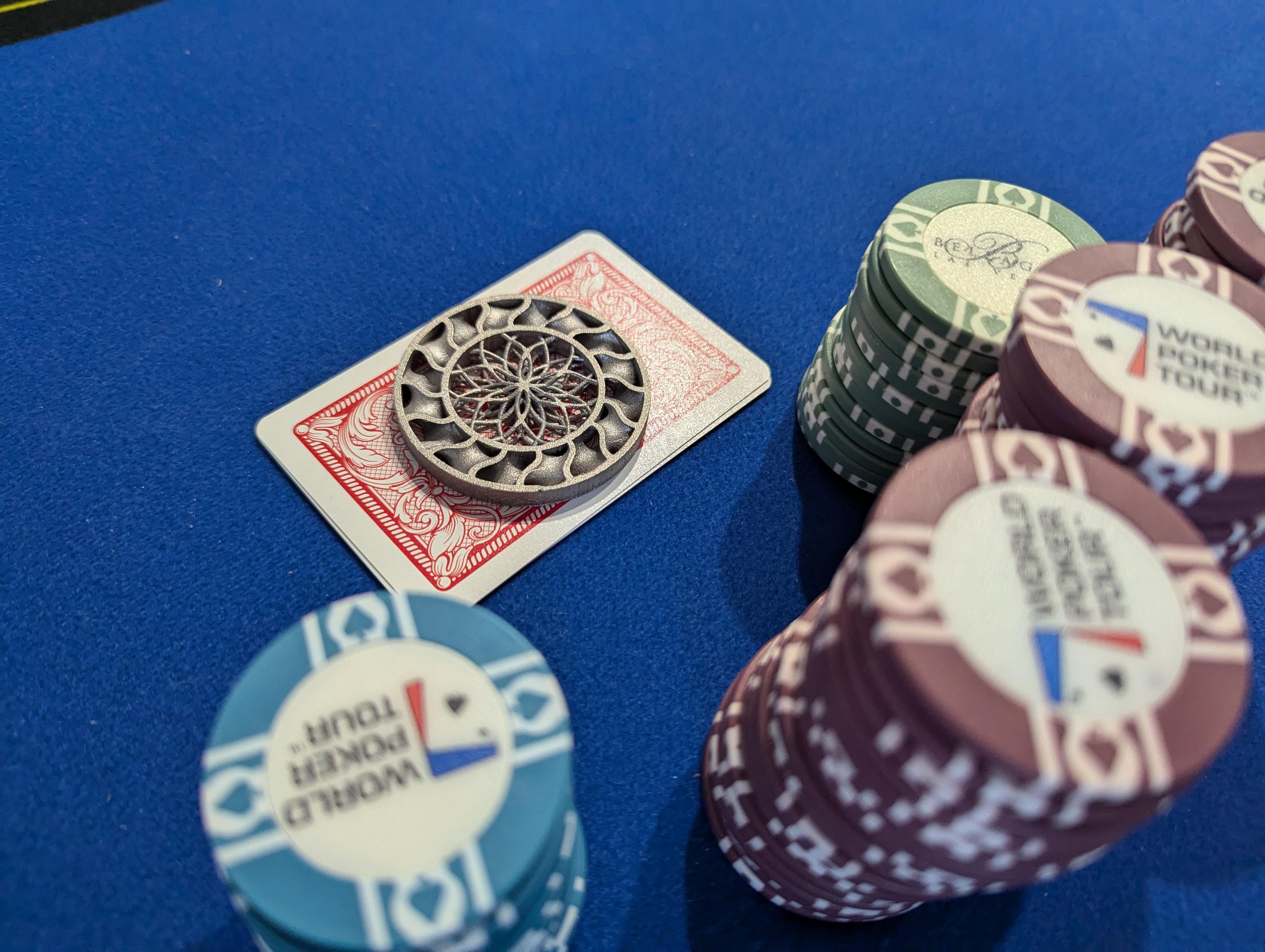
These are card protectors. Also called card caps or card guards, and while they have no magic effect (well on paper), most of them are doing a real job.
There's two ways one can refer to a card protector.
One way, more practical, is keeping your hand alive. It's an item on your cards that stops the dealer from accidentally mucking them and keeps a stray discard from fouling them. The fun way is your lucky charms, focus token, and a bit of table personality. It's not mandatory, but it solves a genuine problem, and it lets players show some personality.
Do you need one? Will it improve your game? Let's have a look and you can decide for yourself.
On the practical side first.
At a glance, a protector tells the dealer your hand is still in play. Dealers often move fast and sweep discards toward the muck constantly. An unmarked pair of cards sitting in front of you can get collected by mistake. A chip or a guard on top signals "this hand is live". Thus, your hand won't get swept away.
It also defends against fouling.
If another player's discard lands on or among your cards, your hand can be ruled dead. A guard keeps stray cards from drifting into yours. Now, let's talk the stakes. Under most house and TDA-style rules, an unprotected hand fouled or collected can be ruled dead at the floor's discretion. The player who didn't protect it usually has no recourse.
Rules vary room to room, and "protect your hand" is squarely on the player. Keeping something on your cards prevents that risk.
A protector is a safeguard. Paying attention is still fundamental. You still want your cards in front of you, in view, and your eyes on the action. But it's an insurance policy against a common mistake.
It's especially worth building the habit if you're coming from online. Online, the software keeps your hand live automatically. Some online players crossing over to live poker haven't had training to guard their cards. That protector reminds you to do that in real life.
Protectors carry meaning. Items carry sentimental value. Players grow attached to them. We all have things like this in our lives.
Plenty of players use it as a good-luck charm.
Others use it as a focus cue. A small piece that reminds them to stay patient and present through a long session. Many choose something that means something. A coin from a memorable trip, a gift from a loved one, a souvenir that carries a story.
A whole culture of collectible card guards exists around exactly this. Engraved coins to one-off figurines. At a table full of identical chips, a personal guard is your way of standing out.
Here are two of the most famous examples I mentioned in the intro.
One gold standard example is Greg "Fossilman" Raymer. The 2004 WSOP Main Event champion uses a small fossil as his card protector. It's a nod to his fossil-collecting hobby, and it's where the nickname comes from.
He's sold fossils at the table over the years. He's also known for giving one to the player who eliminates him from a tournament. One thing to be careful about: the fossil is his signature guard, not a magic talisman. He won the 2004 Main Event by being an excellent player first. The effect that fossil had is anybody's guess. But 2004 was clearly a good year for poker fossils.
The other famous protector was not really a protector, but an orange. Johnny Chan's iconic orange is listed as a card guard, but as we all know, an orange is a piece of fruit. Chan had quit smoking (back in the late 1980's). He kept an orange at the table to cut the smell of rampant casino cigarette smoke and help him concentrate. It was primarily a focus and comfort item, not something he set on his cards.
It's a great ritual story, but it belongs in a different category.
If you play live, something on your cards is a sensible habit, even if it's a chip. It costs nothing and removes a real way to lose a hand you didn't have to.
Let's walk away with one point worth knowing.
A protector can become a tell if you use it inconsistently. Let's say you only cap your cards with certain hands. You fumble the ritual when you're nervous. It's leaking information to anyone paying attention.
What's the fix? Stay consistent. Used consistently, a guard protects your hand and gives nothing away. Pick your habit, and stick to it.

Any small object. For example, a chip, coin, figurine or keepsake. that a player places on top of their hole cards to keep the hand live and add a bit of personality. It's also called a card cap or card guard.
Mainly to stop the dealer accidentally mucking a live hand and to keep a stray discard from fouling it. An unprotected hand that gets fouled or collected can be ruled dead, so the guard is a safeguard against losing a hand by accident.
It's not mandatory, but it's a smart habit live. even a single chip on your cards does the job. It's especially useful if you're used to online poker, where the software protects your hand for you.
Yes. If you only use it with certain hands or handle it inconsistently, you can give away information. Use it the same way every hand, or not at all.



 Local Payment Methods
 Cards
Cards Crypto
 E-Wallets
 Apple Pay
 Google Pay
 Instant Bank Payments
Some methods may not be available in your region. Please contact support if you experience any issues.