







 Customer Dispute Resolution Page
 Help Center
 Affiliate Program
In this article
Welcome to WPT Global
Welcome to WPT Global, the online home of the World Poker Tour®. Let us guide you through setting up your account and get you to the tables in no time.Social Media


How To Play
World Leading Tournaments
A huge player pool and everything from freerolls to high rollers – plus regular special events!Ambassadors
Get to know our ambassadors - world-class players from across the globe who embody the spirit of the game. Discover their stories and become part of the community.Your Hub for News
Explore stories, tips, and updates from the world of poker and casino. Learn from pros, discover new trends, and stay in the loop with everything happening at WPTGlobal.What are you looking for?
Close




How to Play 7 Card Stud Poker: Rules & Strategy Guide

Share




Key Takeaways
7 Card Stud is a classic poker variant played without community cards.
Each player receives seven cards, but only the best five-card hand counts.
The game involves a mix of face-up and face-down cards, making observation critical.
Strong starting hands and awareness of exposed cards are key to winning.
Stud poker requires more memory and discipline than most modern poker formats.
Before the rise of Texas Hold’em, 7 Card Stud was the most widely played poker variant in the world. It dominated casinos, home games, and major tournaments for decades, shaping how generations of players learned the game.
Unlike modern community card games, 7 Card Stud is played without shared cards. Each player builds their hand individually while observing opponents’ exposed cards. This creates a slower, more methodical style of play that rewards memory, patience, and attention to detail.
Today, 7 Card Stud still appears in mixed formats and high-level games within poker games, alongside variants like Razz and Stud Hi-Lo. This guide will walk you through the rules, gameplay, hand rankings, and strategies needed to understand and play the game effectively.
7 Card Stud Rules
7 Card Stud follows a structured format that differs significantly from community card poker, with no shared board and a fixed sequence of dealing and betting.
Each Player Receives Seven Cards
Players are dealt seven cards throughout the hand, with a combination of face-down and face-up cards. The goal is to make the best possible five-card hand from those seven cards.
There Are No Community Cards
Unlike Texas Hold’em or Omaha, there are no shared cards. Each player builds their hand individually, meaning hand strength is determined entirely by your own cards.
Antes Replace Blinds
All players post an ante before the hand begins. This creates the initial pot and ensures action, replacing the small and big blind structure used in other poker formats.
Starting the Action with the Bring-In Bet
After the initial deal (Third Street), the player with the lowest face-up card must post a forced bet called the bring-in. This starts the action and determines the order of play for that round.
There Is a Fixed Betting Structure
7 Card Stud is typically played as a fixed-limit game:
Smaller bets are used on early streets (Third and Fourth)
Larger bets are used on later streets (Fifth, Sixth, and Seventh)
If a player shows a pair on Fourth Street, betting may increase earlier than usual.
There Are Multiple Dealing Streets
Cards are dealt across five stages:
Third Street (2 down, 1 up)
Fourth Street (1 up)
Fifth Street (1 up)
Sixth Street (1 up)
Seventh Street (1 down)
A betting round follows each stage.
Showdown and Winning the Pot
A player can win by forcing all opponents to fold or by having the best five-card hand at showdown after the final betting round.
Running Out of Cards (Rare Rule)
In rare cases, if there are not enough cards remaining in the deck, a single community card may be dealt for all players on Seventh Street. This ensures the hand can be completed fairly.
How To Play 7 Card Stud Poker
Understanding how a hand unfolds is key to learning the game. Unlike community card formats, each stage reveals new information through exposed cards, making every street strategically important.
Antes Are Posted

All players contribute a small forced bet before any cards are dealt, creating the starting pot. In a typical low-stakes game, this might mean everyone puts in a small amount like $0.25, ensuring there is already money to play for before the hand even begins.
Third Street (Initial Deal)
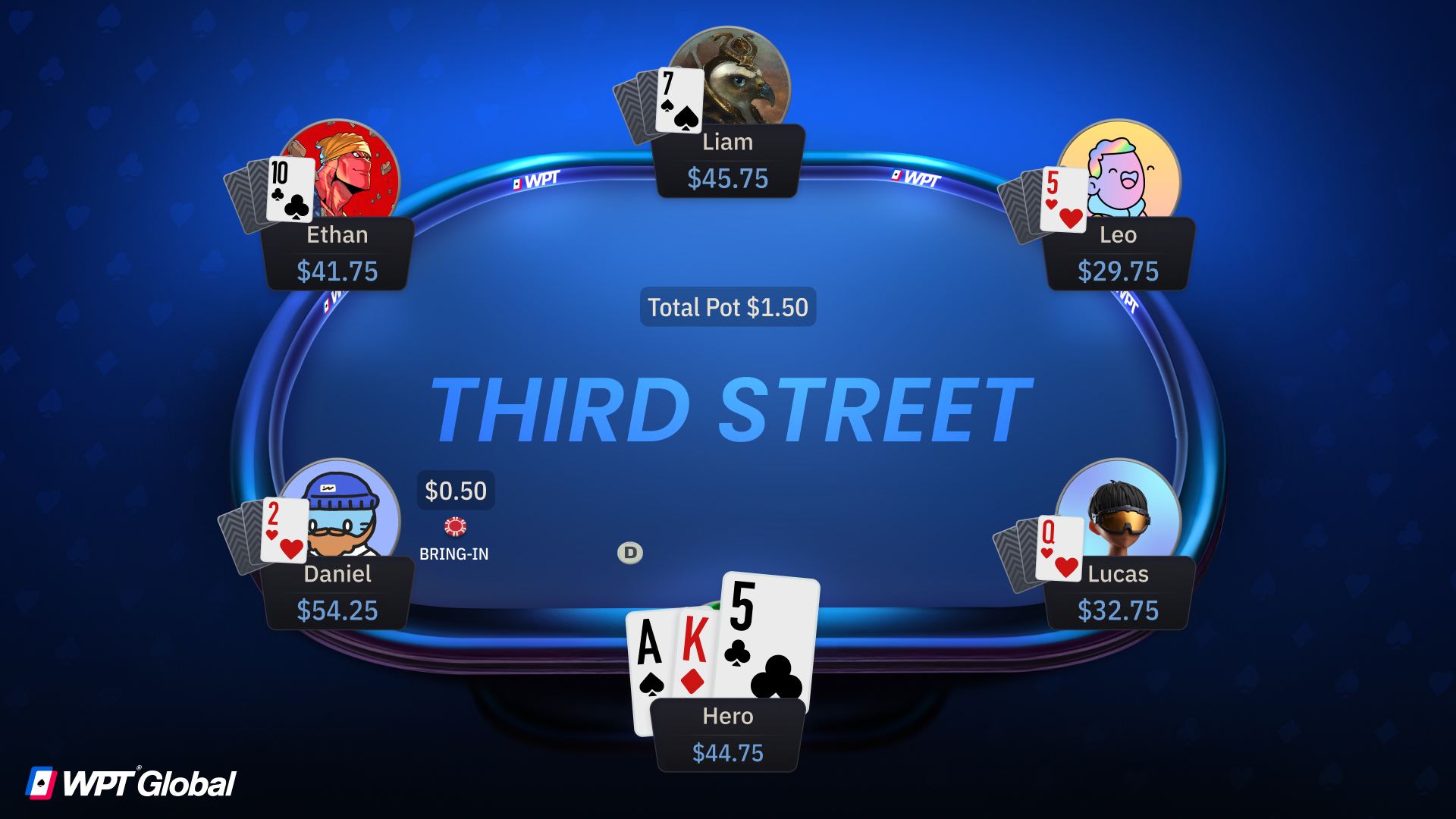
Each player receives two cards face down and one face up. The player with the lowest upcard posts the bring-in and starts the betting. For instance, if you are dealt A♠ K♦ face down and 5♣ face up, but another player shows a 2♦, they are forced to act first. At this stage, your starting hand and visible card already shape how the rest of the hand may play out.
Fourth Street
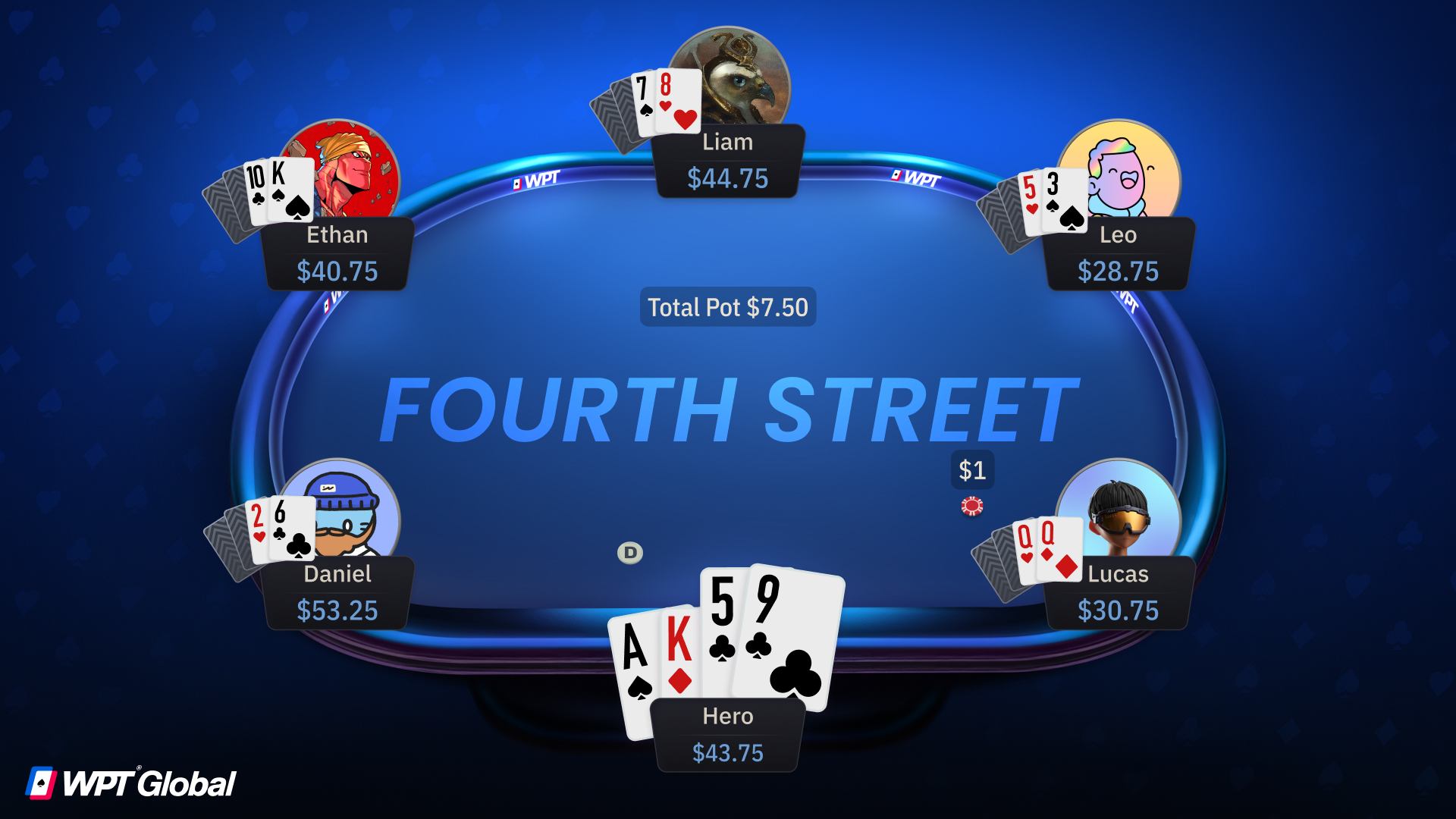
Each player receives another face-up card, and the player showing the strongest visible hand acts first. If your board now shows 5♣ 9♣ while another player shows Q♥ Q♦, their visible pair gives them the betting lead. This is where patterns begin to form and players start reading each other’s potential hands.
Fifth Street
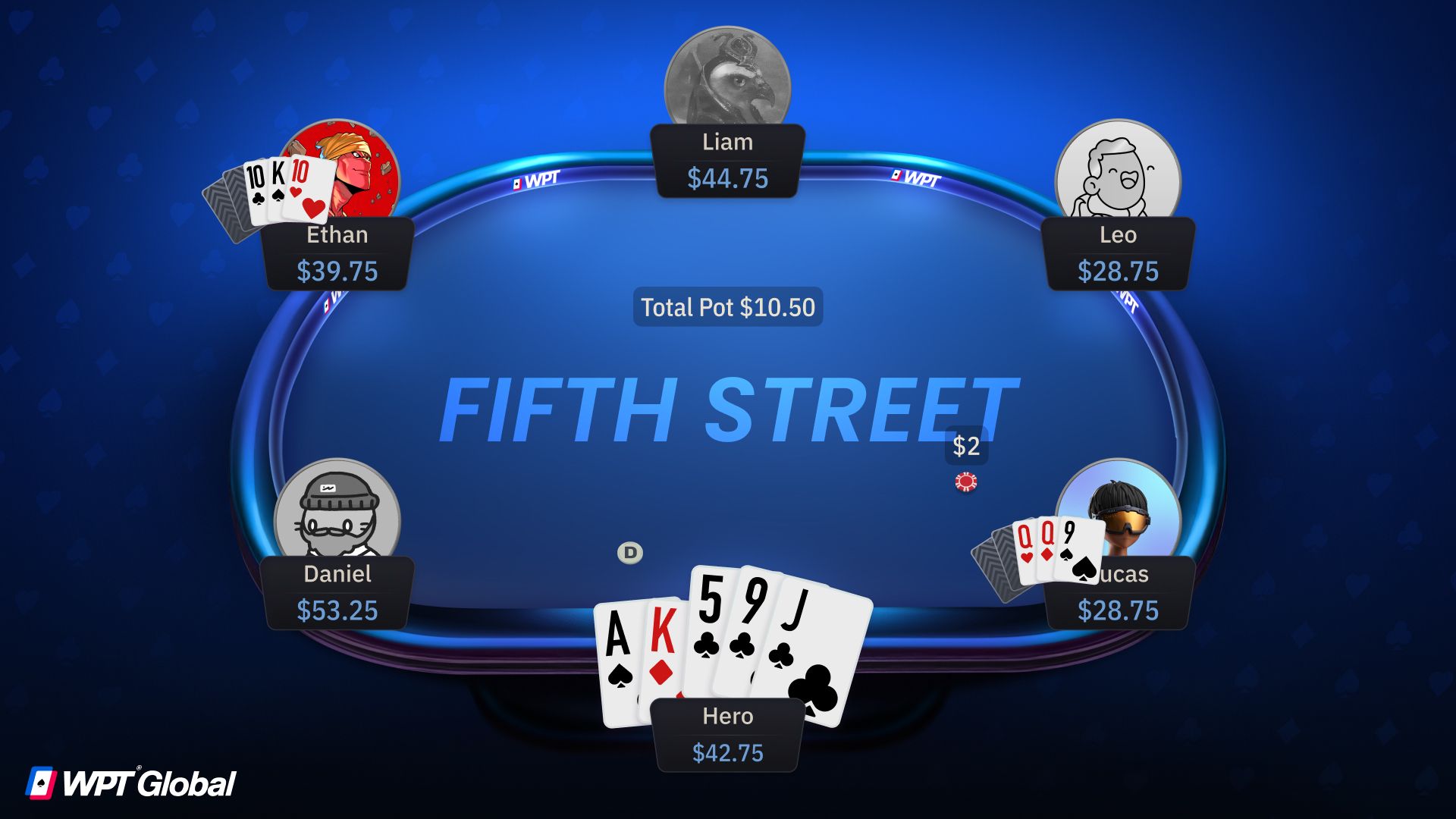
A third face-up card is dealt, and the betting stakes usually increase. If your board develops into something like 5♣ 9♣ J♣, you now have a strong flush draw. With larger bets in play, decisions become more meaningful, and continuing without solid equity becomes riskier.
Sixth Street
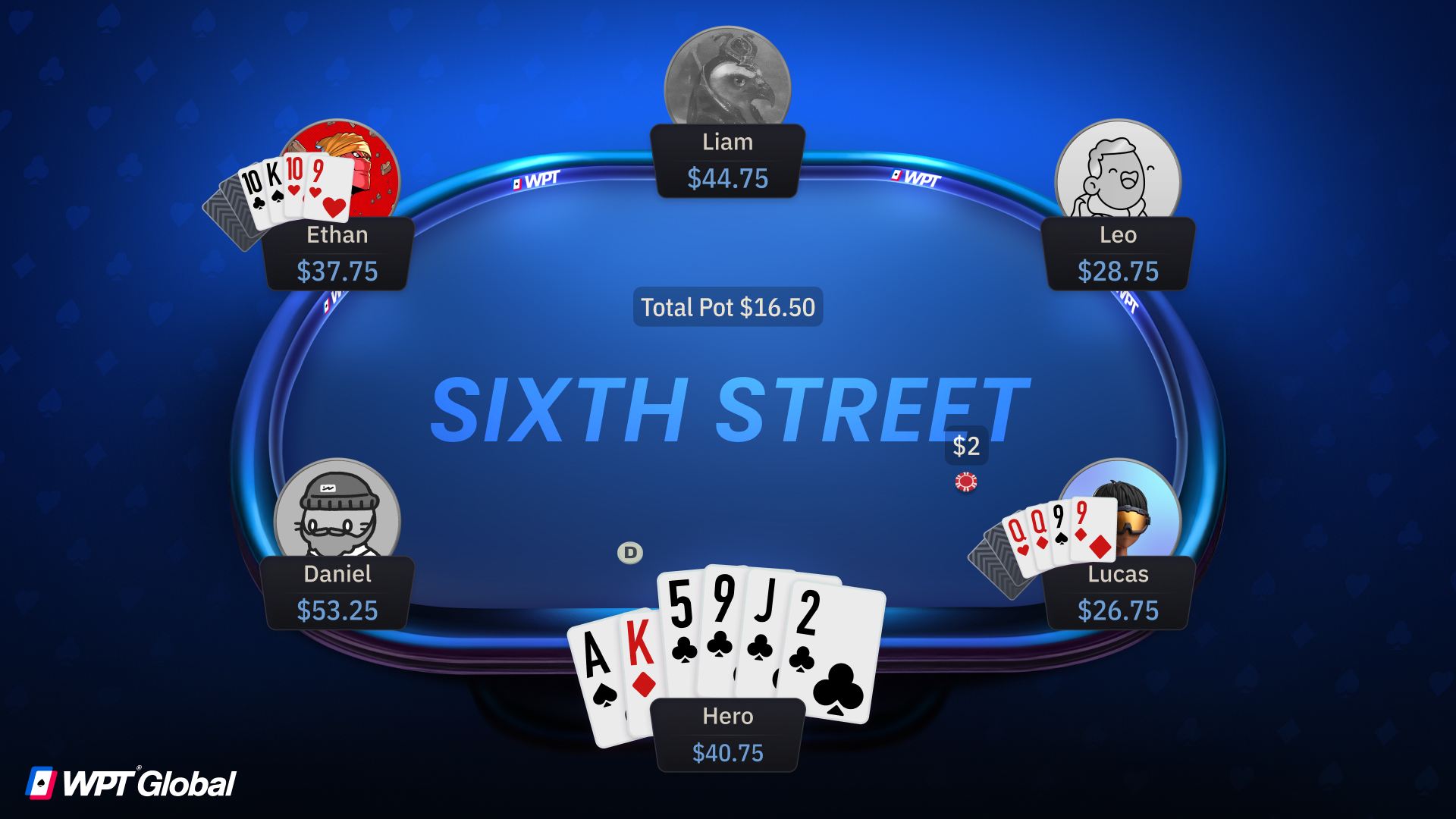
Another face-up card is dealt, revealing most of the available information. If you pick up the 2♣, completing your flush, your visible strength is now clear to the table. At this stage, strong hands should look to extract value, while weaker holdings often struggle to continue.
Seventh Street (River)
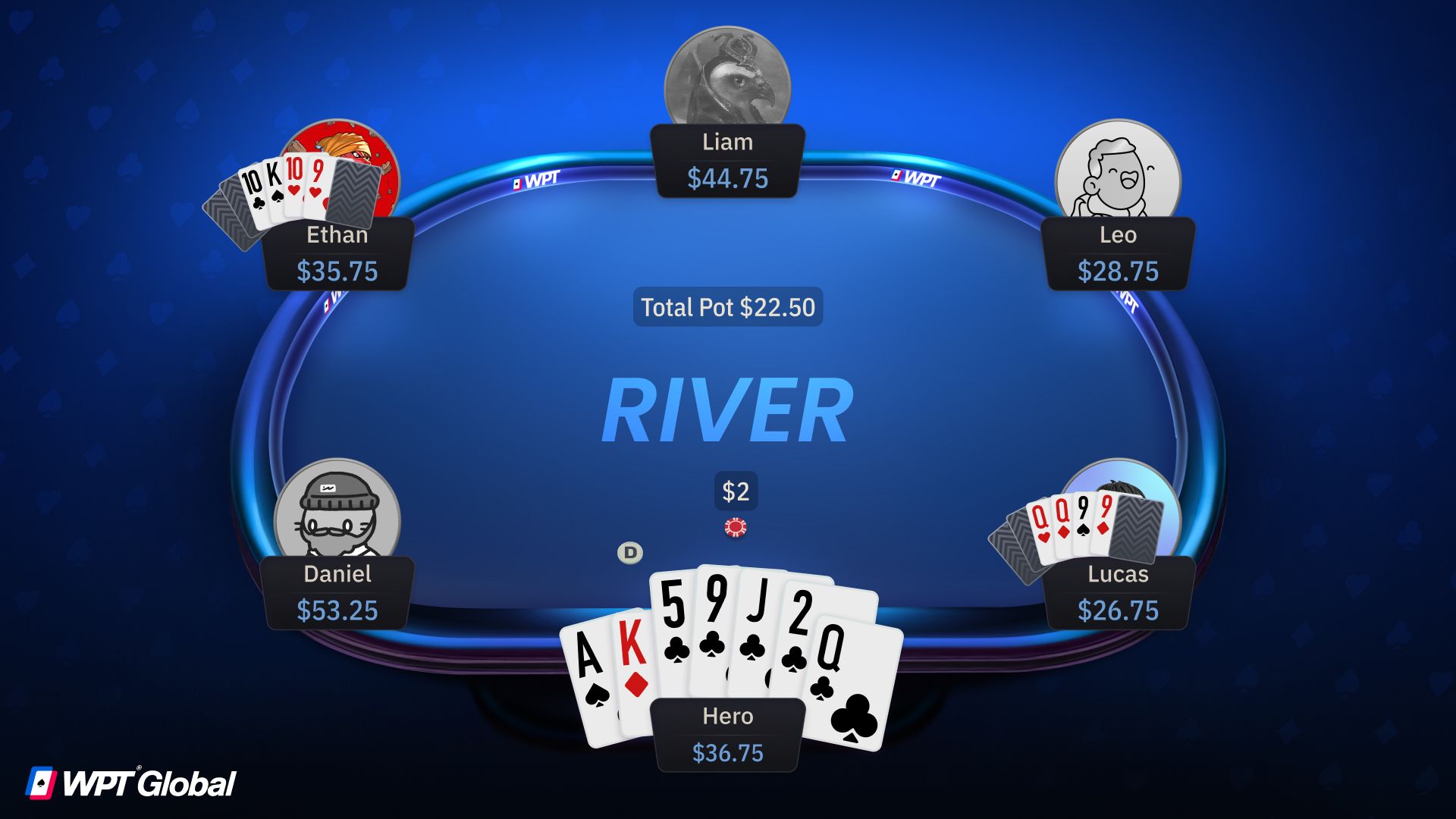
Each player receives a final card face down, followed by the last betting round. This hidden card can still change everything. For example, catching a Q♣ might improve your flush or strengthen your overall hand without your opponents knowing exactly how.
Showdown

Players reveal their hands, and the best five-card combination wins. If you table a completed flush while your opponent shows two pair, the result reflects not just your cards, but how the hand developed across each street.
This progression builds information step by step, and the real edge in 7 Card Stud comes from combining hand strength with observation as more cards are revealed.
7 Card Stud Hand Rankings
From strongest to weakest, 7 Card Stud follows standard poker hand rankings, but how often these hands occur and how they are played differ due to the exposed card structure.
Rank | Hand |
|---|---|
1 | Royal Flush |
2 | Straight Flush |
3 | Four of a Kind |
4 | Full House |
5 | Flush |
6 | Straight |
7 | Three of a Kind |
8 | Two Pair |
9 | One Pair |
10 | High Card |
While these rankings are identical to other poker variants, their strategic value changes in 7 Card Stud. Because multiple cards are dealt face-up, players have access to more information about which hands are possible. This affects both the likelihood of opponents holding strong combinations and your ability to accurately assess relative hand strength.
For example, if several cards of the same suit are already visible in other players’ hands, the probability of a flush decreases. Similarly, seeing key ranks exposed can reduce the likelihood of certain pairs, sets, or straights. This makes hand reading and card tracking far more important than in community card games.
As a result, strong players do not just evaluate hand rankings in isolation. They constantly adjust based on visible cards, dead cards, and evolving probabilities, which allows for more precise decision-making and a deeper strategic edge in 7 Card Stud.
Best 7 Card Stud Starting Hands
Starting hand selection in Stud is very different from Hold’em because there are no community cards and much of the information is visible from the start.
Category | Example Hand | Why It’s Strong |
|---|---|---|
Rolled-up Trips | A♠ A♦ + A♣ | The strongest possible start, already a made hand with high winning potential |
High Pairs | AA, KK, QQ (with strong kicker) | Strong early value, especially if key cards are not visible in opponents’ hands |
Three to a Flush | 9♠ 10♠ + J♠ | Multiple ways to improve with strong drawing potential |
Three to a Straight | 9♠ 10♦ + J♣ | Flexible hand that can develop into strong straight combinations |
A premium example is A♠ A♦ (hidden) with A♣ as the upcard, known as rolled-up trips. This hand starts as the best possible combination and is rarely dominated. A strong drawing example is 9♠ 10♠ (down) with J♠ (upcard), which has both straight and flush potential and can develop into multiple strong hands.
From a strategic perspective, the key difference in Stud is the importance of “dead cards.” Since many cards are exposed, you must constantly assess whether the cards you need are still available. If several of your outs are already visible in other players’ hands, the value of your starting hand decreases significantly.
Strong players combine hand strength with visibility awareness. A hand that looks strong in isolation may become weak if too many supporting cards are already out, making observation and adaptability essential for long-term success.
Tips to Develop A Winning Strategy
7 Card Stud rewards observation and discipline more than raw aggression because so much information is visible throughout the hand.
Pay Attention to Exposed Cards
This is one of the most important skills in Stud. Tracking which cards are already visible allows you to calculate how likely you are to improve. If key cards you need are already out, your hand’s value drops significantly. Strong players constantly adjust based on what is no longer available, rather than playing their hand in isolation.
Start With Strong Hands
Unlike Hold’em, weak starting hands are much harder to recover from because you cannot rely on shared community cards. Playing tight, especially early, ensures you enter pots with hands that have real potential. This reduces difficult decisions later and improves long-term consistency.
Know When to Fold Early
Stud punishes players who chase with weak or dominated hands. If your hand is unlikely to improve and your outs are limited or already exposed, folding early saves chips. Discipline in these spots is a major edge, as many players continue too long with poor equity.
Adjust to Opponents’ Upcards
Visible cards provide valuable insight into your opponents’ likely holdings. Multiple high upcards often indicate strong ranges, while weaker or disconnected upcards can signal vulnerability. Reading these patterns allows you to make more accurate decisions and avoid unnecessary risks.
Be Selectively Aggressive
Aggression remains important, but it must be applied with purpose. Betting and raising should be based on clear advantages, such as stronger visible cards or better draw potential. Random or excessive aggression is less effective in Stud because opponents have more information to respond correctly.
Overall, winning strategy in 7 Card Stud comes from combining hand strength and card awareness with disciplined decision-making and poker strategy. Players who consistently track information and adapt to changing conditions gain a significant edge over those who rely only on their own cards.
Other Stud Poker Variants
Stud poker has several popular variations, each with unique rules and strategic considerations.
7 Card Stud Hi-Lo
The pot is split between the highest and lowest hands, usually requiring a qualifying low of 8 or better. This creates a dual-objective strategy where players aim to “scoop” both halves of the pot. Strong players prioritise hands that can win in both directions, rather than committing to only high or low.
5 Card Stud
This is a simpler version where each player receives five cards, with fewer betting rounds. Because there are fewer cards and less information, the game has less strategic depth and relies more on straightforward hand strength and betting patterns.
Razz
Razz is a lowball variant where the lowest hand wins, using Ace-to-Five rankings. Since many cards are dealt face-up, tracking exposed cards becomes critical. Players gain a significant edge by identifying which low cards are still available and adjusting their decisions accordingly.
Mississippi Stud
This is a casino-style game where players compete against the house rather than each other. The focus shifts from reading opponents to managing bet sizing and understanding payout structures. Strategy revolves around maximising value from strong hands while minimising losses with weaker ones.
Caribbean Stud Poker
Another casino variant where players compete against the dealer, with fixed payouts instead of a shared pot. Unlike traditional stud games, there is no bluffing element, so success depends on understanding probabilities and making mathematically sound decisions.
Each of these variants offers a different experience of poker, but they all share the core concept of individual hands rather than community cards. Strong players adapt their strategy based on whether the game rewards high hands, low hands, or fixed payout structures.

FAQs
What are the rules of a 7-Card Stud?

Each player receives seven cards throughout the hand, with a mix of face-up and face-down cards. There are no community cards, and the best five-card hand wins at showdown. The game uses antes instead of blinds, and betting occurs over multiple streets as cards are dealt.
What is the difference between Stud Poker and Texas Hold 'em?
The main difference is that Stud has no community cards. In Stud, each player builds their own hand using individual cards, many of which are visible. In Texas Hold’em, players share community cards, and most information is hidden, making the game more about board interaction and less about tracking exposed cards.
What is the bring-in in 7 Card Stud?
The bring-in is a forced bet made by the player with the lowest face-up card on Third Street. It starts the betting action and ensures the hand progresses, similar to how blinds function in other poker variants.
What is 2-3-5 Stud poker?
2-3-5 Stud is a split-pot variant where the pot is divided between the highest and lowest hands, and an additional portion may be awarded to specific combinations like 2-3-5. It introduces extra strategic layers, as players must consider multiple ways to win the pot.
How do you play basic Stud poker?
Players post antes, receive a combination of face-up and face-down cards, and bet after each round of dealing. Decisions are based on both your own hand and the visible cards of opponents. The goal is to make the best five-card hand by the end of the final betting round.
What is the best hand in Stud poker?
The best possible hand is a royal flush, which consists of A-K-Q-J-10 all in the same suit. Hand rankings are the same as standard poker variants.
What is the best starting hand in Stud poker?
The strongest starting hand is rolled-up trips, meaning three of a kind on Third Street. For example, starting with three aces gives you a significant advantage from the beginning.
How to win at 7-Card Stud poker?
Winning requires strong starting hand selection, tracking exposed cards, and disciplined decision-making. Players who pay attention to “dead cards” and adjust based on visible information gain a significant edge over time.
Do suits matter in a 7-Card Stud?
Suits matter for determining flushes and, in some cases, for deciding the bring-in when cards are tied in rank. Otherwise, suits do not have inherent value beyond standard hand rankings.
Do you burn cards in a 7-Card Stud?
Yes, burn cards are typically used before dealing each new street, just like in other poker variants. This helps maintain fairness and prevents any potential information leaks.
View More



Promotions
Tournaments
For Customers
Safety & Security
Stay Connected
Follow us on social media to stay updated with the latest news, updates, and exclusive offers!


Promotions
Tournaments
For Customers
Safety & Security
Stay Connected
Follow us on social media to stay updated with the latest news, updates, and exclusive offers!
 Local Payment Methods
 Cards
 Crypto
 E-Wallets
 Apple Pay
 Google Pay
 Instant Bank Payments
*
Some methods may not be available in your region. Please contact support if you experience any issues.
This website is operated by Everstronglink Limited a company incorporated under the laws of Costa Rica having its registered address at Province 01 San Jose, Canton 02 Escazu, San Rafael, On La Ceiba Street, House No. 400, Costa Rica, and is licensed by the Tobique Gaming Commission under License Number 0000005. Kashxa Limited, a Cyprus company with registration number 427606, having its registered office at Strovolou, 12 Aigyptou, Nicosia, 1097, Cyprus, is acting as a payment agent on behalf of the license holder entity Everstronglink Limited.
Gambling can be addictive. Play responsibly. Everstronglink Limited only accepts customers over 18 years of age.
Copyright © 2026 WPT Global. All rights reserved