








 Customer Dispute Resolution Page
 Help Center
 Affiliate Program


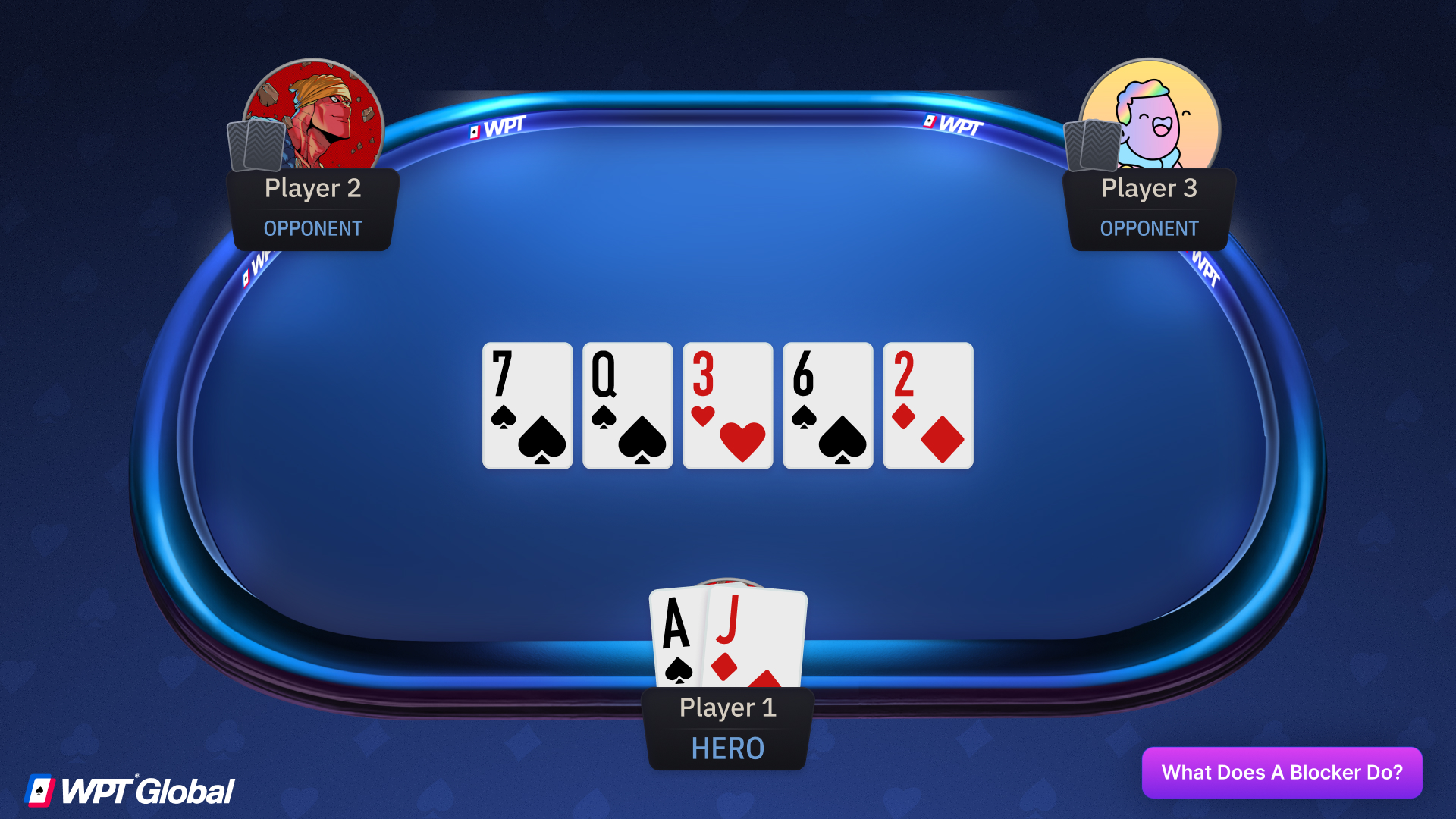
What Does a Blocker Do?
A blocker works through the concept of simple card removal: if you hold a specific card, it is then no longer available in the deck for your opponents to use.
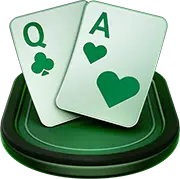
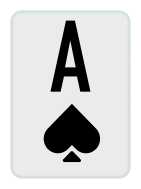
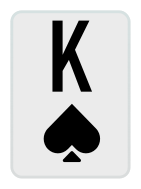
- Example: If you hold the, it’s then impossible for another player to have the nut flush in spades.
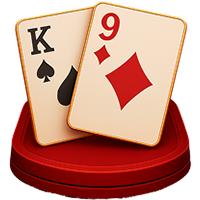
- Example: Holding a King would make it less likely that someone else has pocket Kings.
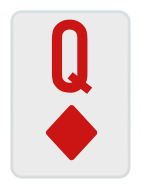
- Example: Having thein your hand would then reduce the chances of opponents making a diamond flush.
This hidden card you are holding changes the probability of your opponents holding strong hands and gives you information you can then act on.
How to Use Blockers in Strategy
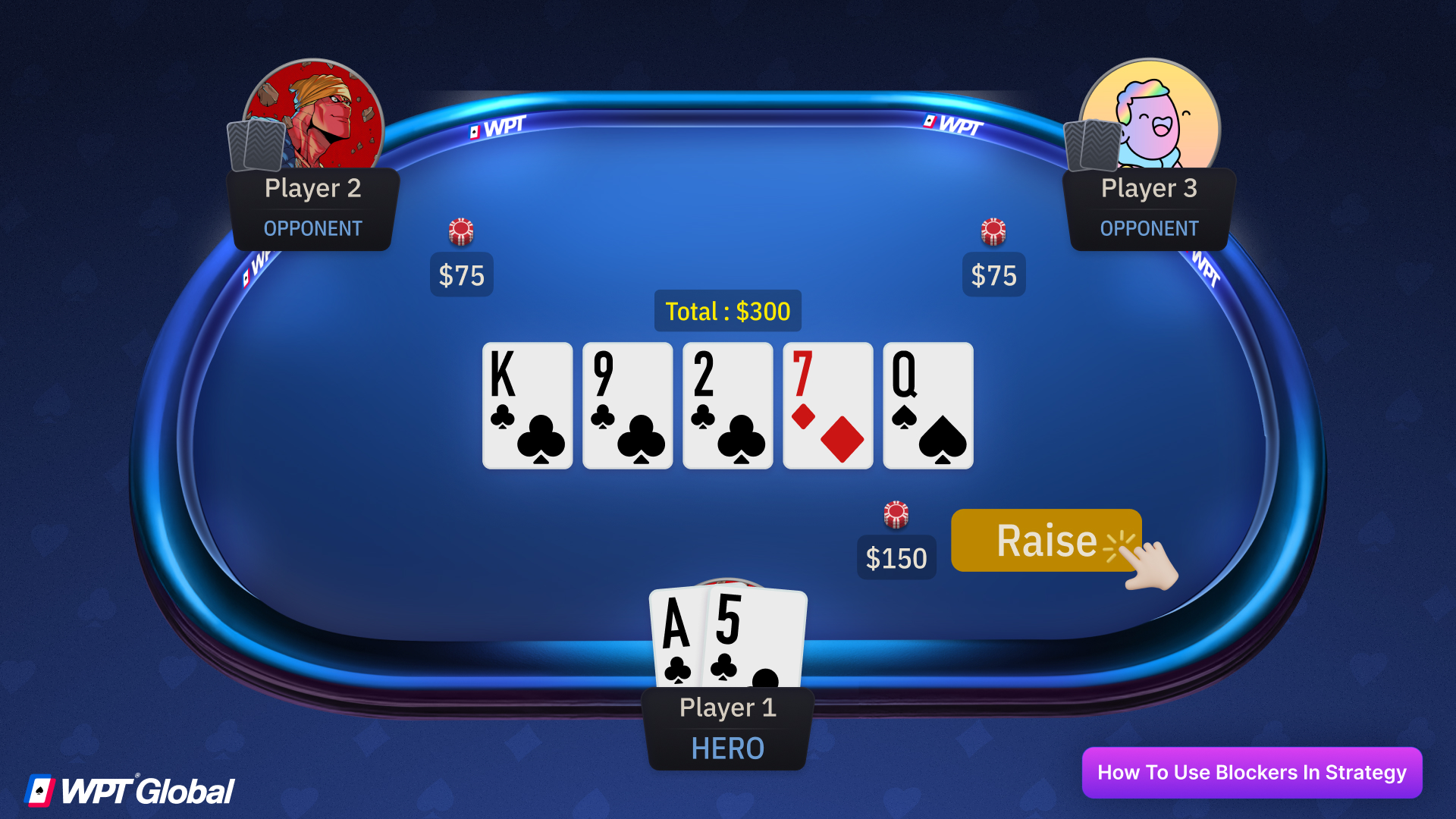
Blockers can become powerful if you combine them with good betting decisions. They don’t guarantee you success, but they can give you an edge in hand reading and bluffing.
- Bluffing: Bluffing is stronger when you hold key blockers, such as the ace of a flush suit, since you know your opponent doesn’t have it.
- Calling decisions: Blockers can make calls safer if they reduce the chance of your opponents holding the nuts.
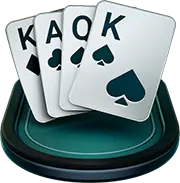
- 3-bet/4-bet ranges: Players often use blockers (such asor) when choosing hands to re-raise preflop.
- Tournament survival: Blockers help you pick better spots to apply pressure on opponents and preserve your stack.
Using blockers well means you’re thinking beyond your own hand and into how your cards affect your opponents’ possible ranges, but there are some mistakes you need to avoid to become an elite player.
Common Mistakes With Blockers
Blockers are useful, but they are easy to misuse if you overvalue them. Avoid these pitfalls:
- Assuming a blocker guarantees your bluff will succeed and you will take the pot.
- Forgetting that opponents can still have other strong, unblocked hands.
- Overusing blocker logic in spots where it doesn’t apply.
- Ignoring board texture and betting patterns while focusing solely on your hand.
Blockers are a tool, not a shortcut. When used carefully, they can add precision and dynamism to your play, but if used carelessly, they can become expensive mistakes.