













 Customer Dispute Resolution Page
 Help Center
 Affiliate Program


Understanding the Board in Poker?
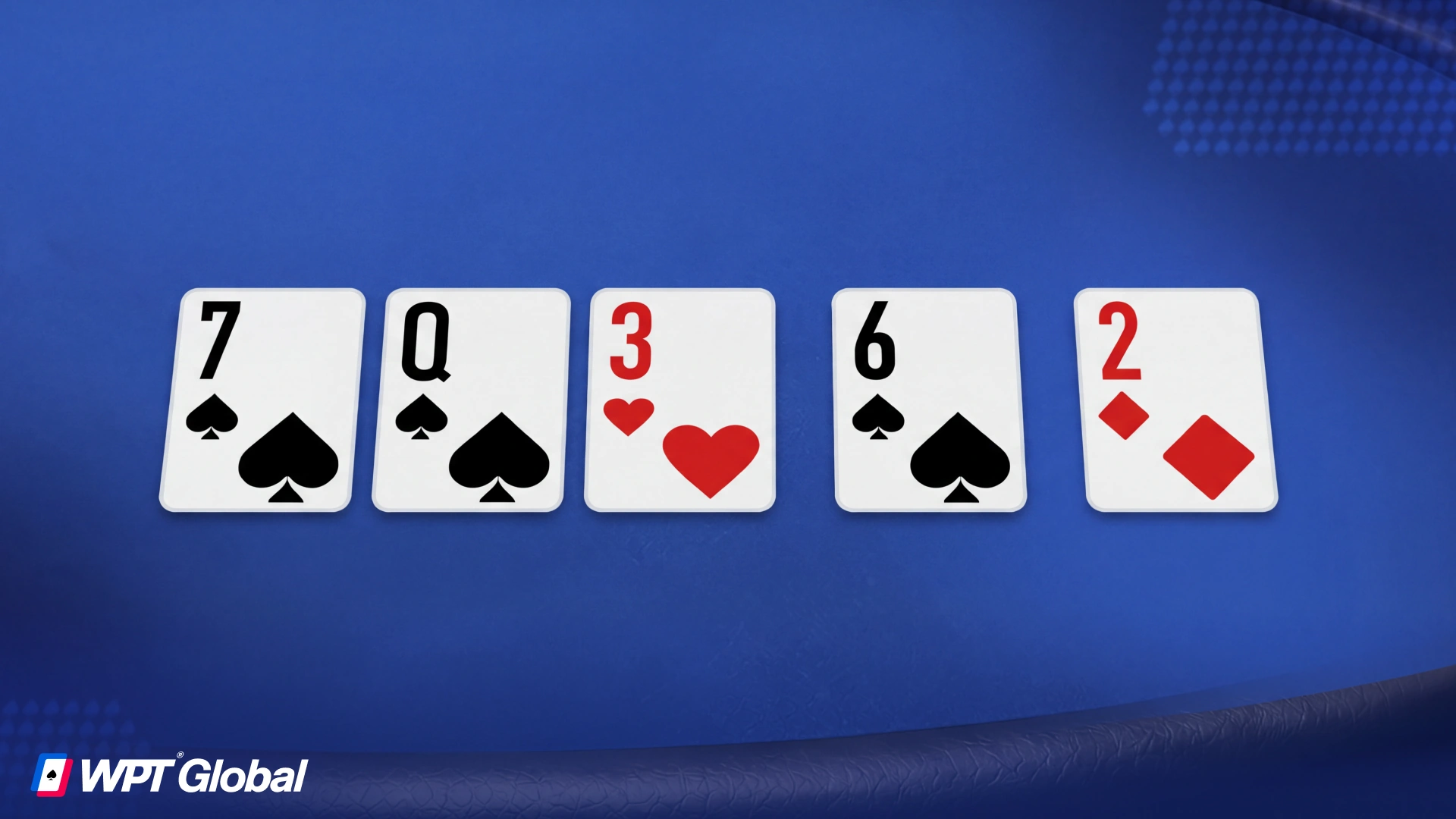
The board is the foundation of all community card games, such as Texas Hold’em and Omaha. It’s the visible part of the game that everyone reads and reacts to.
- The board consists of up to five community cards in total.
- All players share these cards equally when forming their best hands.
- The layout progresses through the flop, the turn, and the river.
- Every new card can change potential hands and odds.
The board is where poker’s shared story unfolds, with each street revealing more about your hand’s true strength.
Types of Boards
No two poker boards are the same, and each creates a unique strategic landscape.
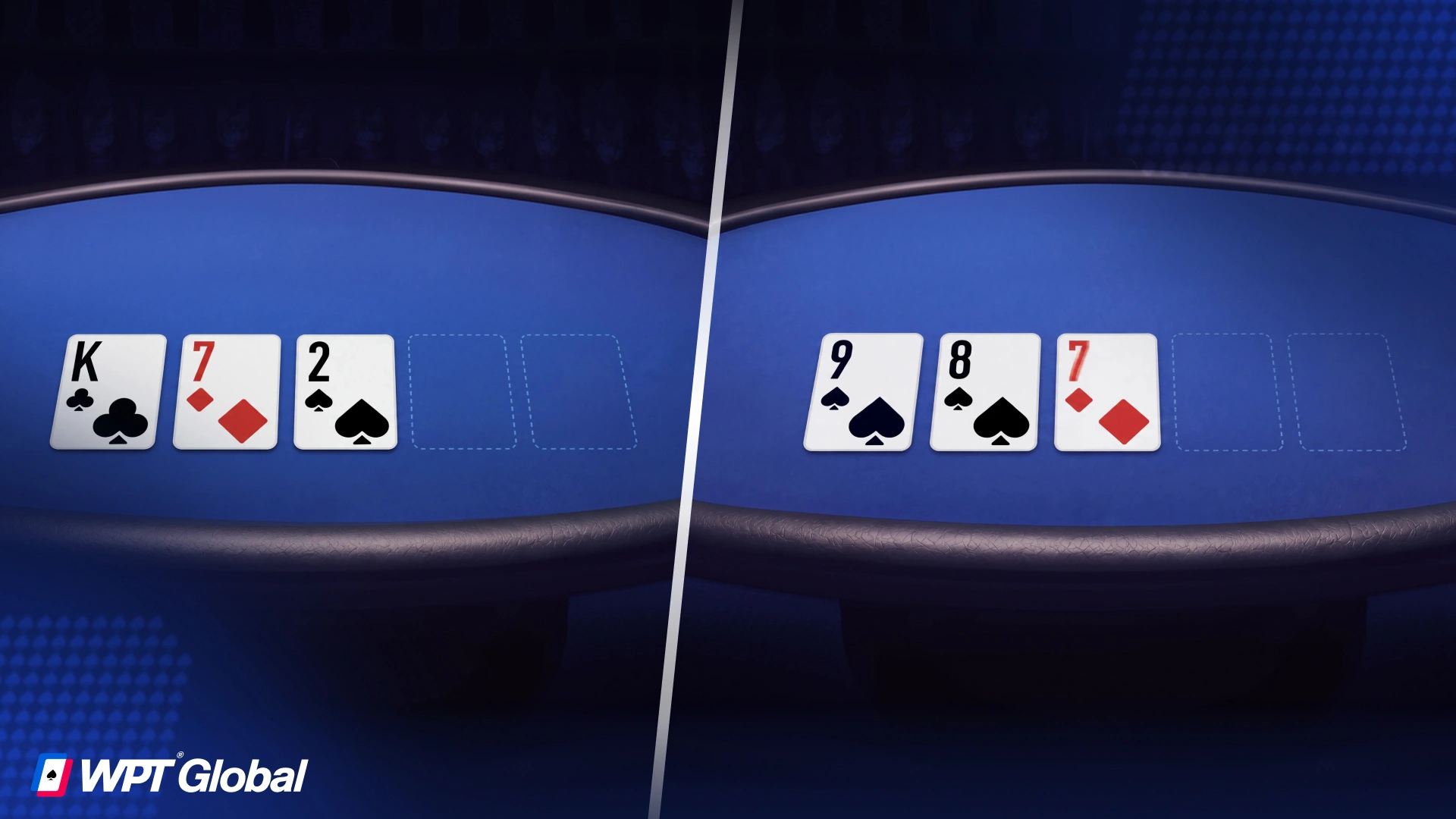
- Dry board: Very few draws possible (e.g.,).
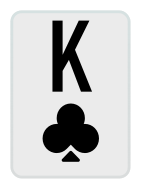
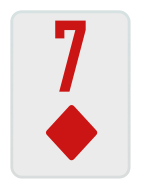
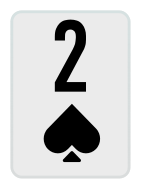
- Wet board: Many draws available (e.g.,).
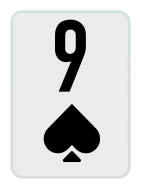
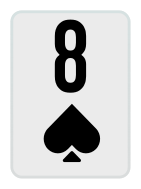
- Paired board: Two of the same rank appear (e.g.,).
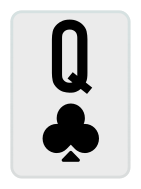
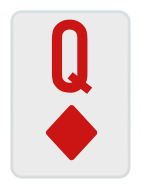
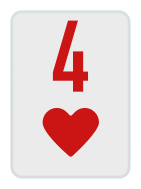
- Monotone board: All cards share the same suit.
How the board develops can determine whether you should play aggressively, cautiously, or fold altogether.
How the Board Affects Strategy
The board doesn’t just show cards; it can dictate decisions. Every betting round revolves around how the board interacts with player ranges.
- Strong boards connect with many hands, creating more action.
- Dry boards favor preflop aggressors, since fewer draws exist.
- Wet or dynamic boards reward hands that can improve in later rounds.
- Recognizing dangerous boards can help you control pot size.
Understanding the board’s influence is the first step toward mastering board texture.
Share