Texas Holdem Poker Starting Hands: The Ultimate Guide

Texas Holdem Poker Starting Hands: The Ultimate Guide
Author
Harry Elliott
Reviewed by
Jeff Kimber
Updated Date
Nov 9, 2026
Read Time
10 Min Read

Key Takeaways

  • Strong starting hand selection is the foundation of winning poker strategy.

  • There are 169 distinct starting hands, but only a small percentage should be played regularly.

  • Position at the table significantly impacts which hands are profitable.

  • Premium hands should be played aggressively, while weak hands should usually be folded.

  • Most beginner mistakes come from playing too many hands rather than too few.

If you watch experienced players in Texas Hold’em, one thing becomes obvious very quickly. They are not playing every hand. In fact, they are folding far more often than they are playing.

That is not because they are being passive. It is because they understand something most beginners overlook. The strength of your starting hand is the biggest predictor of long-term success in poker.

Over thousands of hands, consistently entering pots with better cards than your opponents gives you a mathematical edge that compounds over time. This guide breaks down Texas Hold 'em poker starting hands in a structured, practical way so you can understand not just what to play, but why.

What Are Starting Hands in Texas Hold’em?

A starting hand refers to the two private cards dealt to each player before any community cards are revealed.

There are 1,326 total combinations of starting hands, but these can be grouped into 169 distinct hand types when suits are ignored. These include:

  • 13 pocket pairs

  • 78 suited combinations

  • 78 offsuit combinations

This might seem like a lot, but in practice, only a fraction of these hands are strong enough to play regularly.

Understanding which hands to play and which to fold is one of the most important concepts in poker strategy.

Categories of Starting Hands in Texas Hold 'em

Breaking hands into categories makes decision-making much easier at the table, as different hand types perform differently depending on position, stack depth, and opponent tendencies.

Pocket Pairs

Pocket pairs are two cards of the same rank and are among the most important starting hands because they have clear value and defined play patterns.

Premium Pocket Pairs

  • AA, KK, QQ

These hands dominate most opponents’ ranges and should almost always be raised or re-raised. They perform well both preflop and postflop, and the goal is typically to build the pot and isolate fewer opponents.

Middle Pocket Pairs

  • JJ, TT, 99, 88

Strong but more sensitive to overcards on the flop. These hands often require more caution, especially out of position, as their value can quickly drop on coordinated boards.

Low Pocket Pairs

  • 77 down to 22

These hands are typically played for set value, meaning you are hoping to hit three of a kind on the flop. Without improvement, they are often difficult to continue with, so position and implied odds are important.

Offsuit Hands

Offsuit hands do not share the same suit, which reduces their potential to make strong postflop hands like flushes.

Premium

  • AKo, AQo

Strong high-card hands that can dominate weaker aces and broadway combinations. They rely on making top pair or better, so they perform best when played aggressively.

Sometimes Playable

  • KQo, AJo

These hands perform best in late position or against weaker opponents. They can be profitable but are more vulnerable to domination and difficult spots postflop.

Trashy

  • J4o, 92o, T3o

These hands lack connectivity, strength, and playability. They rarely improve to strong hands and should almost always be folded, especially in early positions.

Suited Hands

Suited hands gain additional value because they can make flushes, giving them better postflop potential and more ways to win.

Connectors

  • 76s, 89s, T9s

These hands can make both straights and flushes, making them especially effective in multi-way pots. They benefit from deeper stacks, where their implied odds are higher.

Gappers

  • 97s, T8s

Slightly weaker than connectors but still playable in the right conditions. They require more selective spots, as they connect with the board less frequently.

Suited hands perform best when stacks are deep, and you can realise their full potential, particularly when you are in position and able to control the size of the pot.

Top 10 Best Starting Hand Rankings in Texas Hold’em

These rankings reflect real-world playability, not just theoretical strength, taking into account how hands perform across different positions, stack depths, and common opponent tendencies.

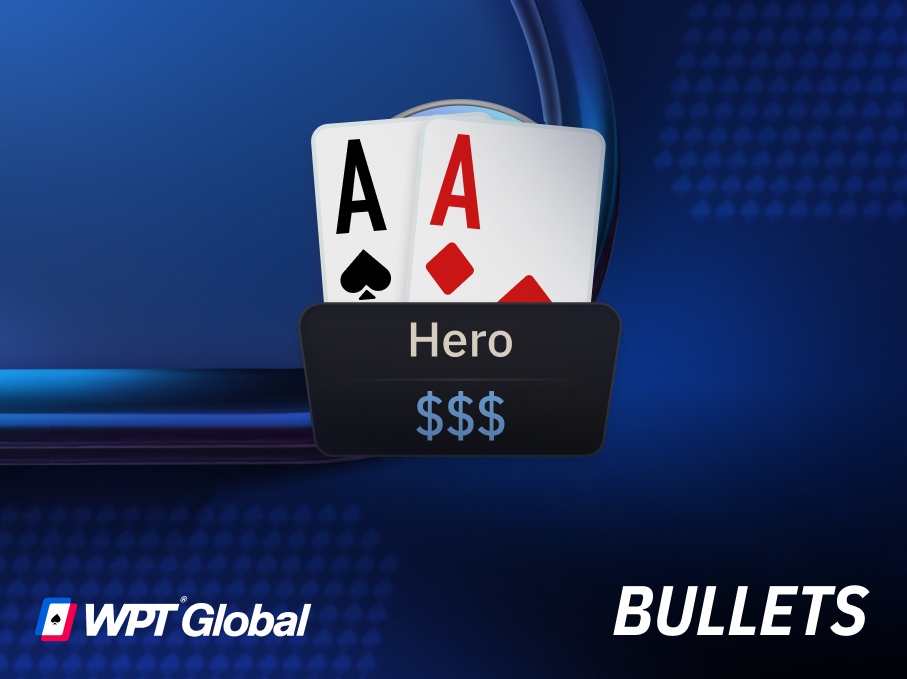
1. Pocket Aces (AA) - Bullets

Pocket aces starting hand.

The strongest starting hand in poker. It should be played aggressively in all positions and against all opponents. Its value comes from being far ahead of all other ranges preflop, but it still requires careful play post-flop, especially on coordinated boards.

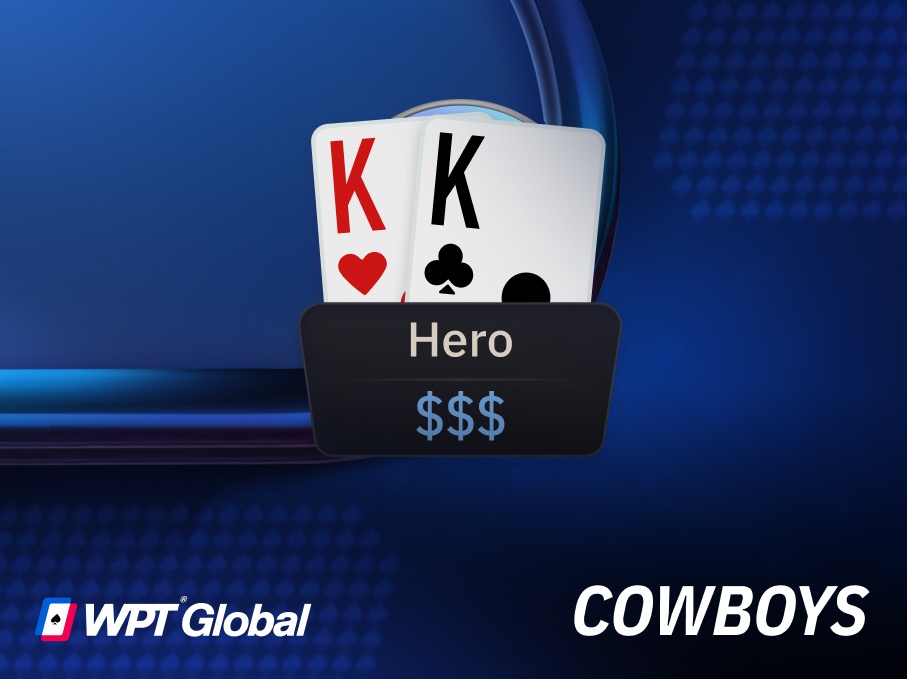
2. Pocket Kings (KK) - Cowboys

Pocket kings starting hand.

Extremely strong, though vulnerable to ace-high boards. While it dominates most holdings preflop, its relative strength drops significantly when an ace appears, requiring more controlled post-flop play.

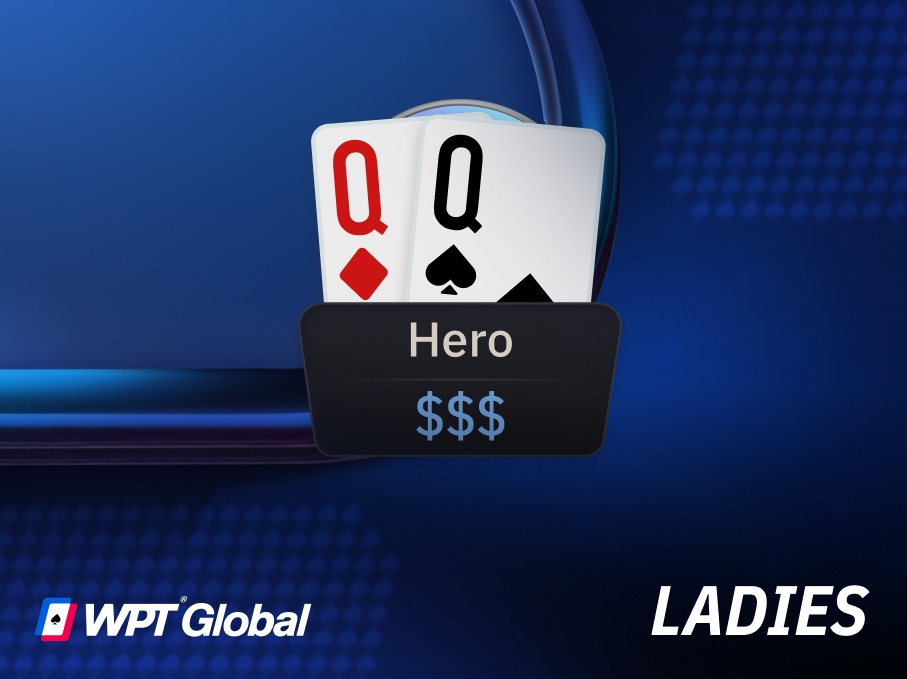
3. Pocket Queens (QQ) - Ladies

Pocket queens starting hand.

A premium hand that can become difficult to play against heavy aggression. It often sits in a marginal spot against tighter ranges, especially when facing re-raises, making position and opponent tendencies important.

4. Pocket Jacks (JJ) - Fishhooks

Pocket jacks starting hand.

A notoriously tricky hand that requires careful post-flop decisions. It often faces overcards, making it difficult to know where you stand, particularly in multi-way pots or against aggressive opponents.

5. Ace-King Suited (AKs) - Big Slick

Ace king suited starting hand.

Combines strong high cards with flush potential. Its strength comes from versatility, as it can make top pair with a strong kicker or develop into nut draws, giving it strong equity even when behind.

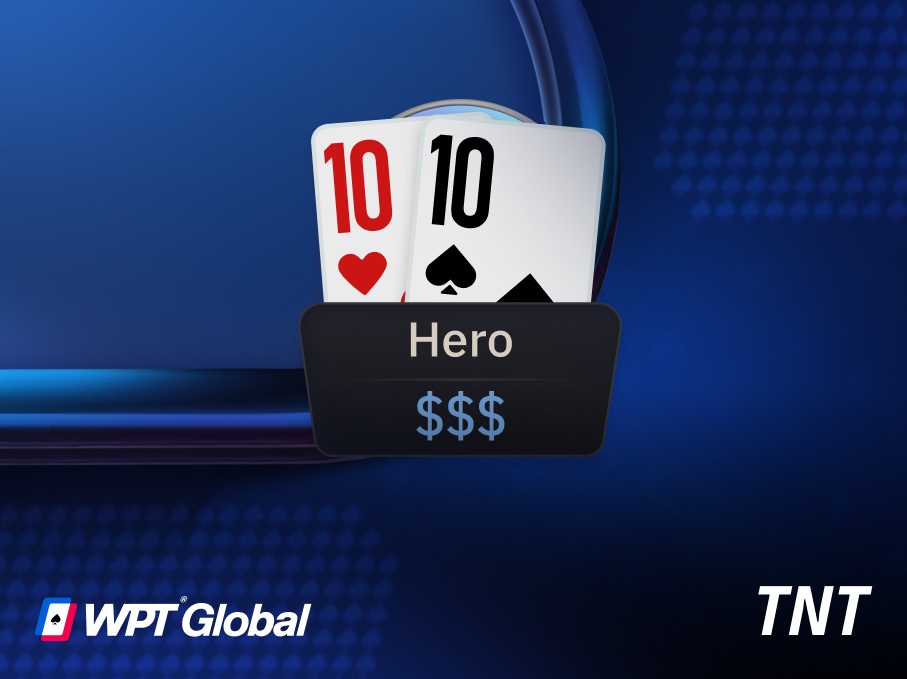
6. Pocket Tens (TT) - TNT

Pocket tens starting hand.

A solid hand that performs well but can be vulnerable to overcards. It is strong preflop but often requires caution on flops containing higher cards, especially in contested pots.

7. Ace-King Offsuit (AKo) - Big Ugly

Ace king offsuit starting hand.

Very strong, but lacks the additional value of being suited. It still dominates many hands preflop, but has slightly less post-flop potential compared to its suited counterpart.

8. Ace-Queen Suited (AQs) - Little Slick

Ace queen suited starting hand.

Strong but can be dominated by stronger ace combinations. It performs best in position, where you can control pot size and avoid difficult spots against tighter ranges.

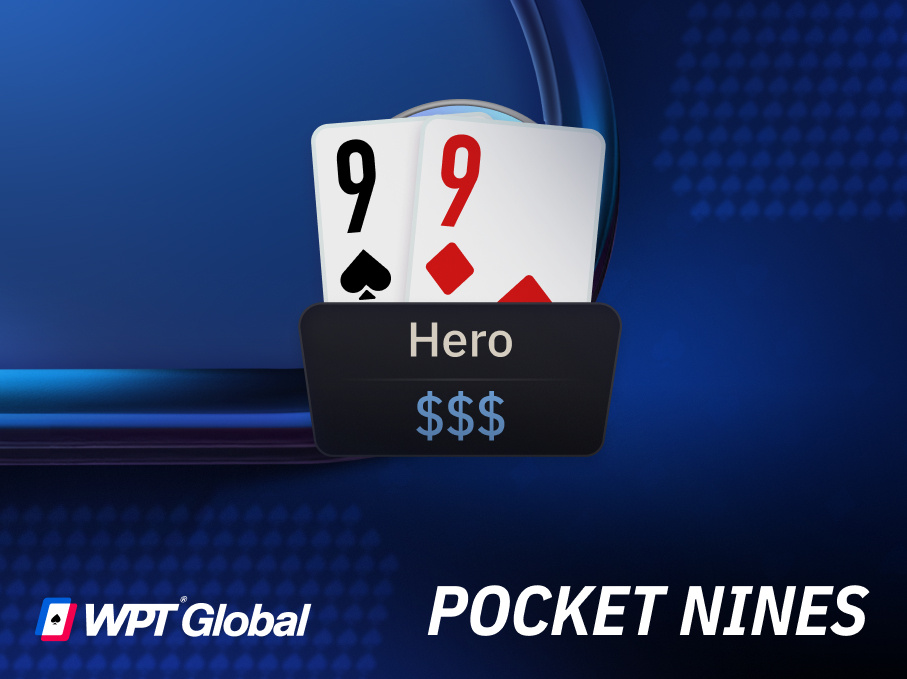
9. Pocket Nines (99) - Hooks

Pocket nines starting hand.

A strong medium pocket pair that performs well both preflop and postflop. Pocket nines are often ahead of unpaired hands and have excellent set-mining potential, making them particularly valuable in multi-way pots and deeper stack situations.

10. Ace-Jack Suited (AJs) - Blackjack

Ace jack suited starting hand.

Combines strong high-card value with the added potential to make nut flushes. Ace-Jack suited is a versatile hand that can be played aggressively from most positions, though caution is still needed against stronger ace holdings and heavy action from tight opponents.

Overall, these hands are ranked highly because they combine raw strength with playability. The strongest starting hands are not just those that win preflop, but those that can continue profitably across multiple streets against a range of opponent hands.

Position Matters - What Hands You Should Play From Each Table Position

Position is one of the most important factors in starting hand selection because it determines how much information you have when making decisions. Acting later in the hand allows you to see what opponents do first, which directly improves decision quality and profitability.

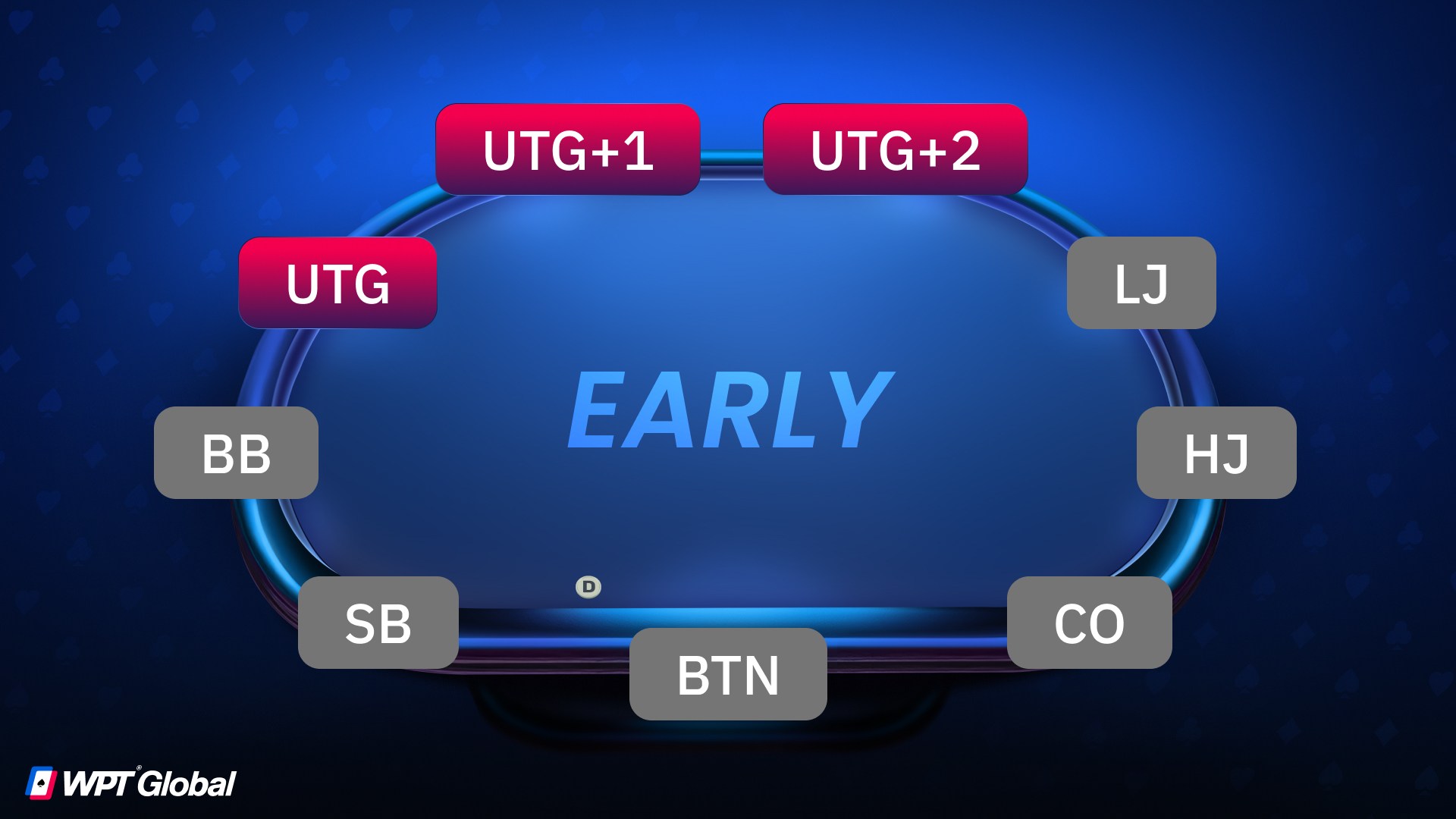
Early Position (EP) Starting Hands

Early position poker table layout.

In middle position, you can begin to expand your range slightly to include hands like TT, 99, AQ, AJ, and suited broadway hands such as KQ suited. While you have fewer players left to act, you are still not in a fully advantageous spot, so discipline remains important. Hands selected here should still have good playability and the ability to handle pressure from later positions.

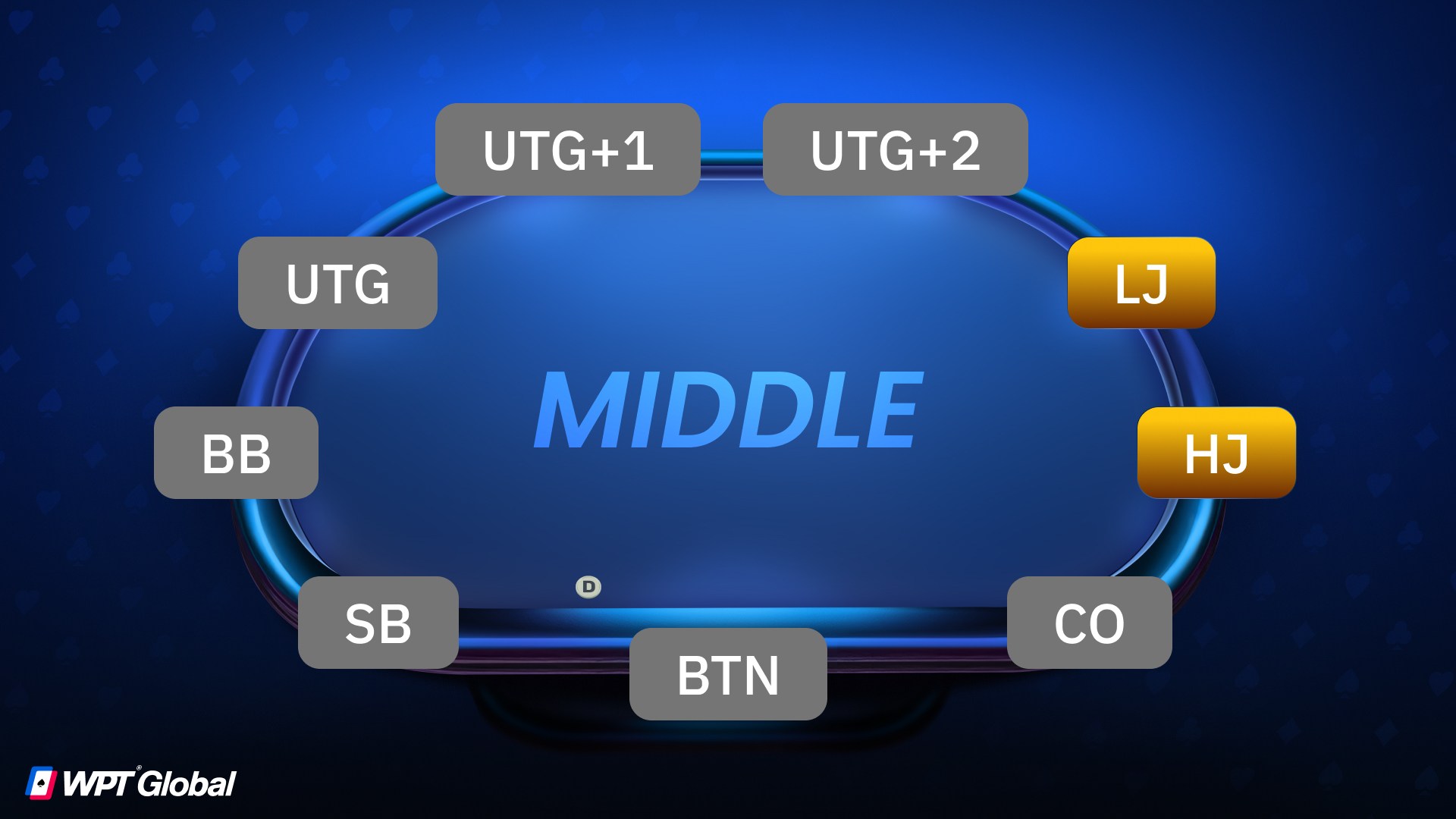
Middle Position (MP) Starting Hands

Middle position poker table layout.

In middle position, you can begin to expand your range slightly to include hands like TT, 99, AQ, AJ, and suited broadway hands such as KQ suited. While you have fewer players left to act, you are still not in a fully advantageous spot, so discipline remains important. Hands selected here should still have good playability and the ability to handle pressure from later positions.

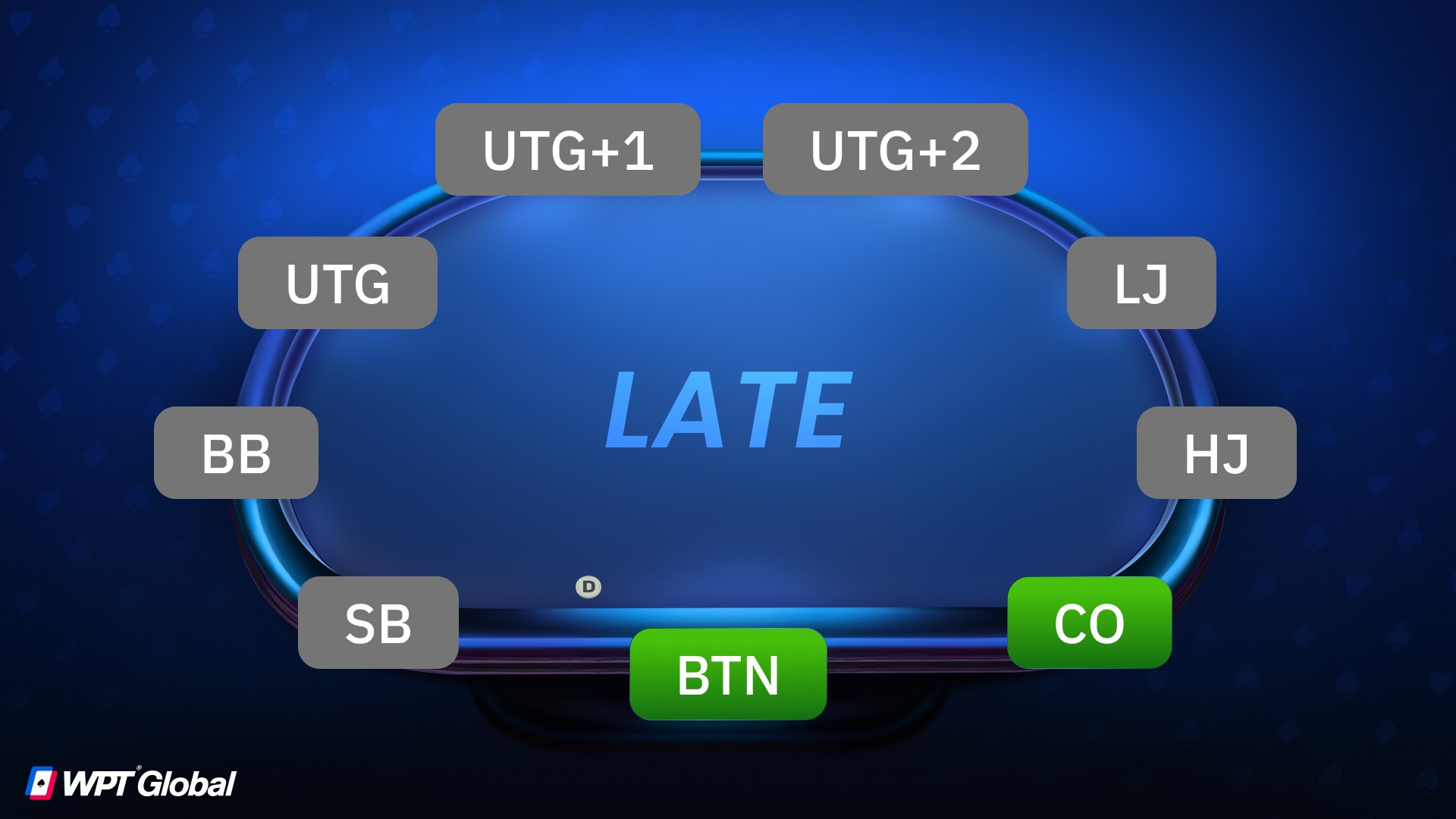
Late Position (LP) / Button Starting Hands

Late position button poker layout.

Late position is where you can play the widest range, including suited connectors, smaller pocket pairs, and weaker broadway hands. Acting last gives you the most information, allowing you to exploit opponents, steal blinds more effectively, and control the size of the pot. Many profitable situations come from this position because you can apply pressure with a wider range while avoiding difficult spots.

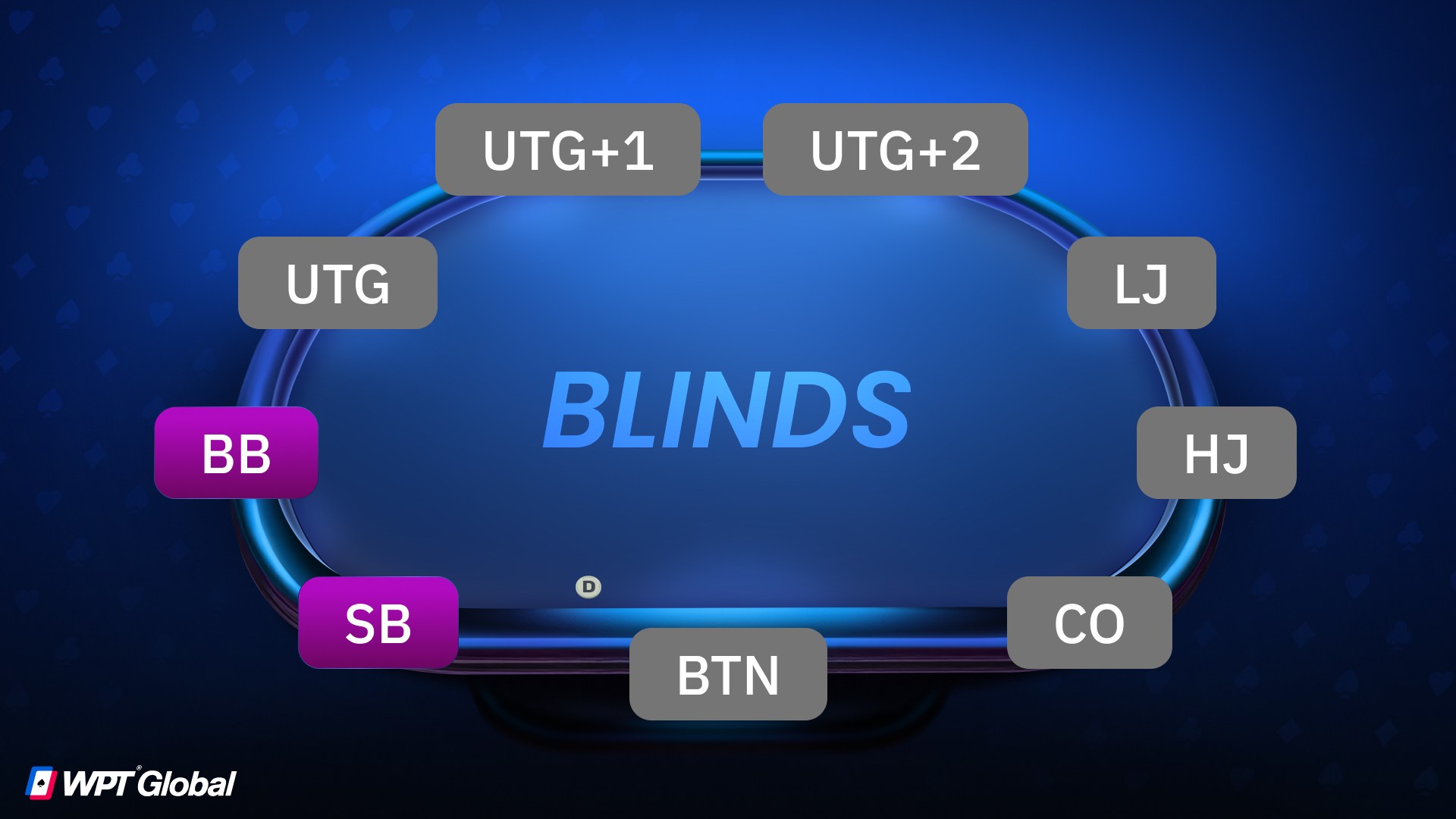
Blinds (Small/Big Blind) Considerations

Small blind and big blind positions in poker.

Playing from the blinds is inherently difficult because you are forced to act out of position after the flop. This means your hand selection should be more cautious, especially with weak offsuit hands that do not perform well without initiative. Defending can be correct in some situations, particularly when pot odds are favourable, but decisions should be made carefully based on opponent tendencies and how well your hand can realise its equity.

Worst Starting Hands - Hands to Avoid

Some hands are consistently unprofitable because they perform poorly both before and after the flop. Examples include 72 offsuit, 83 offsuit, and J2 offsuit.

The problem with these hands is structural. They lack high-card strength, which means they rarely make strong top-pair holdings. They also have very limited straight potential because the cards are disconnected, and because they are offsuit, they offer no realistic flush upside either.

From a strategic point of view, weak starting hands create reverse implied odds. Even when they appear to improve, they often make second-best hands that cost you money rather than win it. For example, a hand like J2 offsuit may pair the jack, but that pair is often dominated by stronger jacks in your opponent’s range.

These hands also realise equity badly. They miss the flop too often, and when they do connect, they usually do so in weak and difficult-to-play ways. That makes them poor candidates for calling, raising, or defending unless the situation is highly unusual.

Even in late position, where ranges widen, these holdings rarely perform well. Good players understand that widening your range does not mean playing anything. It means choosing hands that still have some combination of card strength, connectivity, or suited value. Trash hands have none of those qualities, which is why folding them is almost always the most profitable decision.

Essential Poker Starting Hand Tactics & Tips

Play Tighter Than You Think You Should

One of the most common mistakes newer players make is entering too many pots. Starting hand selection is the foundation of winning poker, and small preflop mistakes carry through the rest of the hand. Playing tighter immediately improves your average hand quality, reduces difficult post-flop spots, and helps you avoid dominated holdings that look playable but perform poorly in practice.

Raise More Often Than You Call

Raising is generally stronger than calling because it gives you initiative and creates fold equity. When you raise, you can win the pot immediately or take control of the hand going into the flop. Calling too often leaves you passive, makes your range weaker, and often leads to tougher decisions later. Strong players prefer entering pots aggressively with hands they intend to play.

Use Position to Your Advantage

Position increases the value of almost every playable hand. Acting later gives you more information, better control over pot size, and more opportunities to exploit weakness. This is why hands that may be folds in early position can become profitable opens on the button. Good players do not just look at their cards in isolation. They judge those cards based on where they are sitting.

Avoid Marginal Hands Out of Position

Marginal hands become much harder to play when you have to act first after the flop. Hands like weak suited aces, dominated broadways, and low offsuit connectors may look tempting, but they often create reverse implied odds and force you into uncomfortable spots. Out of position, hand quality matters more because you have less control over how the pot develops.

Focus on Long-Term Decision-Making

Strong preflop strategy is not about winning every hand. It is about making decisions that are profitable over a large sample. Even the best starting hands will lose sometimes, and even weak hands will occasionally win. The goal is to build habits based on expected value, discipline, and repeatable logic rather than short-term outcomes. This is what separates solid players from emotional ones.

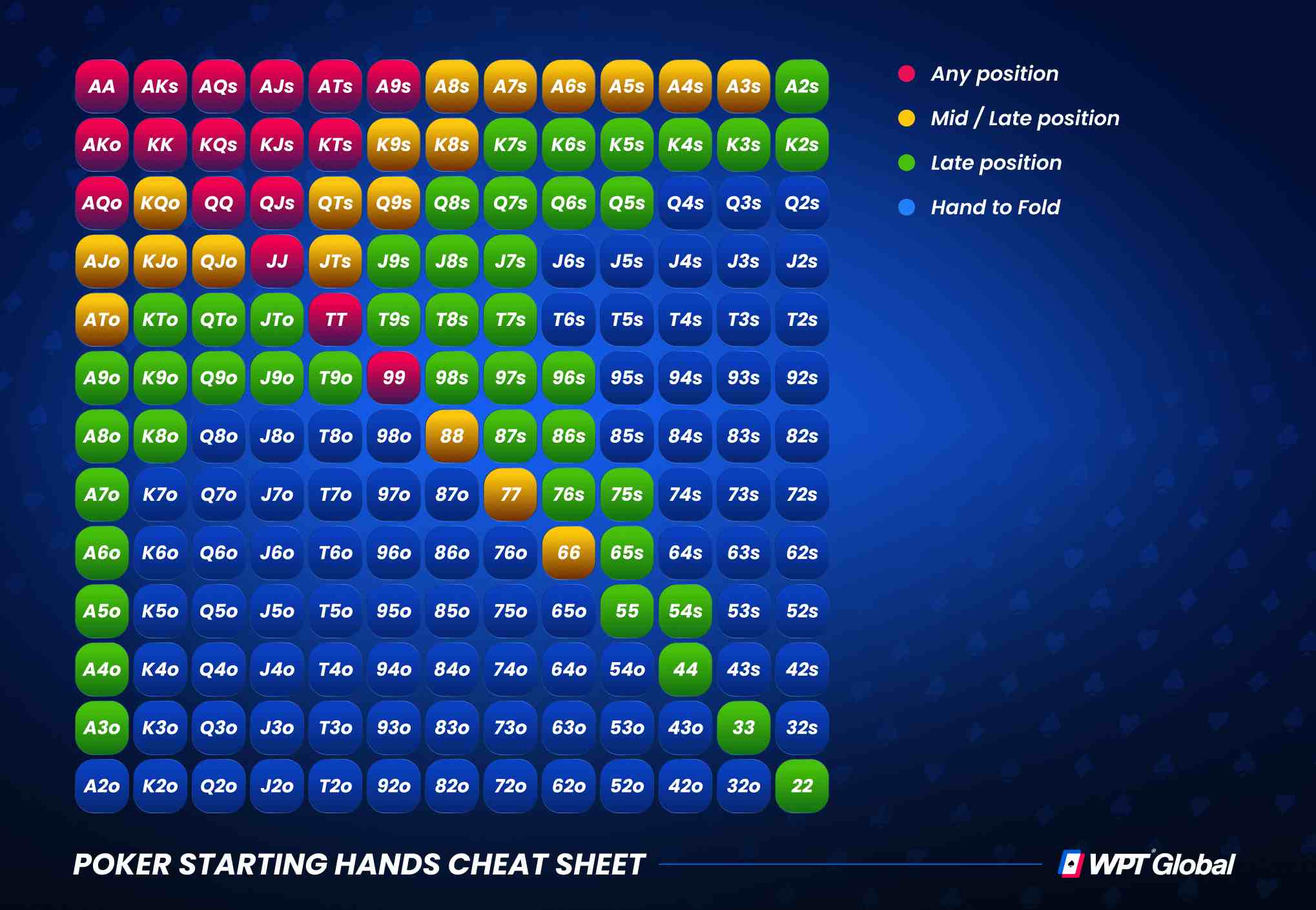
Texas Hold 'em starting hands chart by position

Texas Hold 'em starting hands chart by position.

FAQs

What is the best starting hand in Texas Hold’em?

Pocket Aces (AA) is the strongest starting hand because it has the highest equity against any other holding preflop. It should be played aggressively to build the pot and reduce the number of opponents, as its strength decreases slightly in multi-way situations.

How many starting hands are there in poker?

There are 1,326 total possible starting hand combinations and 169 distinct hand types when suits are grouped together. Understanding this helps put hand selection into perspective, as only a small percentage of hands are truly strong enough to play consistently.

Should I play every suited hand?

No. While suited hands have additional value due to flush potential, many are still too weak to be profitable. Hands that lack high-card strength or connectivity will rarely make strong holdings, so they should usually be folded, especially from early positions.

What are connectors in poker?

Connectors are consecutive cards like 7-8 that can form straights. When suited, they become more valuable because they can also make flushes, giving them multiple ways to win and making them particularly effective in deeper stack situations.

What starting hands should a beginner play?

Beginners should focus on a tight and simple range, including premium pairs, strong aces, and high suited connectors. This approach reduces difficult decisions, avoids marginal spots, and helps build a solid foundation based on strong, easy-to-play hands.